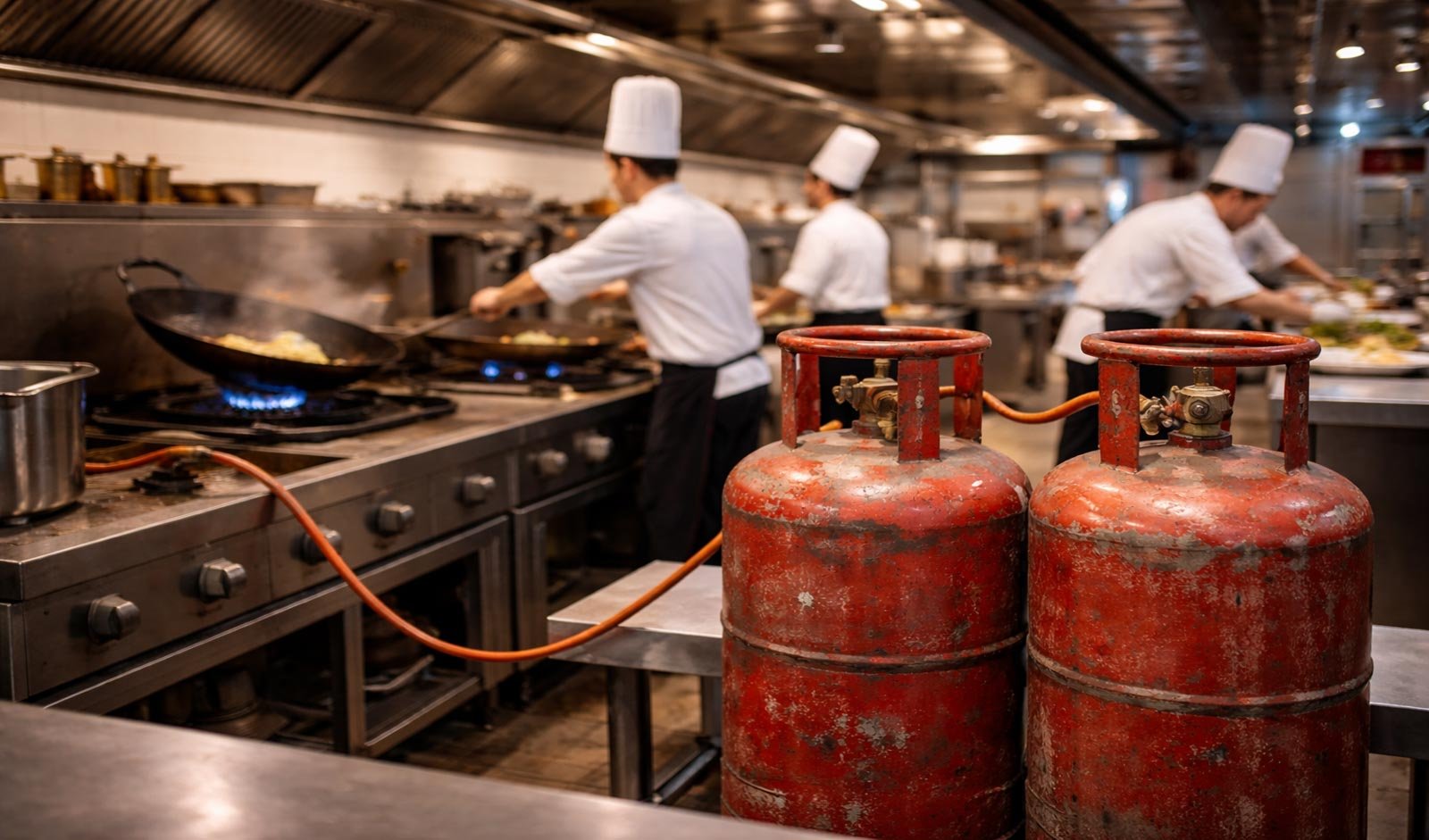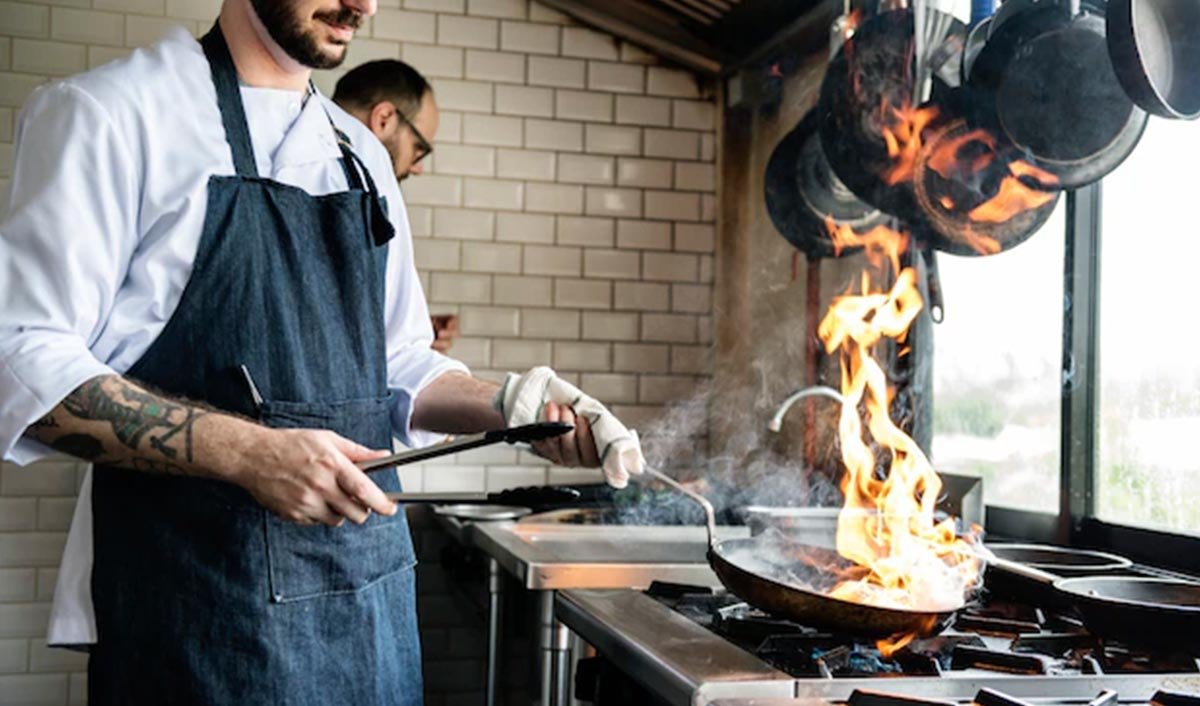
Walk down any busy street in India and you’ll see it — glowing restaurant signs, packed tables, waiters rushing between orders. It looks alive, energetic, almost cinematic. Now open your delivery app, and there’s another world quietly running parallel — brands you’ve never seen physically, kitchens you’ll never visit, yet meals arrive at your door like clockwork.
Two different models. Same goal.
But when it comes to money… things get interesting.
The Traditional Restaurant Dream
There’s something undeniably romantic about opening a restaurant.
The décor, the ambience, the experience — it’s more than food, it’s a feeling. People don’t just come to eat, they come to sit, celebrate, connect. That emotional value is hard to replace.
But behind the scenes, it’s not always as glamorous.
Rent in prime locations? Expensive. Staff salaries? Ongoing. Interiors, licensing, utilities — it all adds up quickly. And the tricky part is, these costs don’t pause when business slows down.
A restaurant needs consistent footfall to survive. And in today’s unpredictable market, that’s not always guaranteed.
The Rise of Cloud Kitchens
Now, cloud kitchens operate in a completely different rhythm.
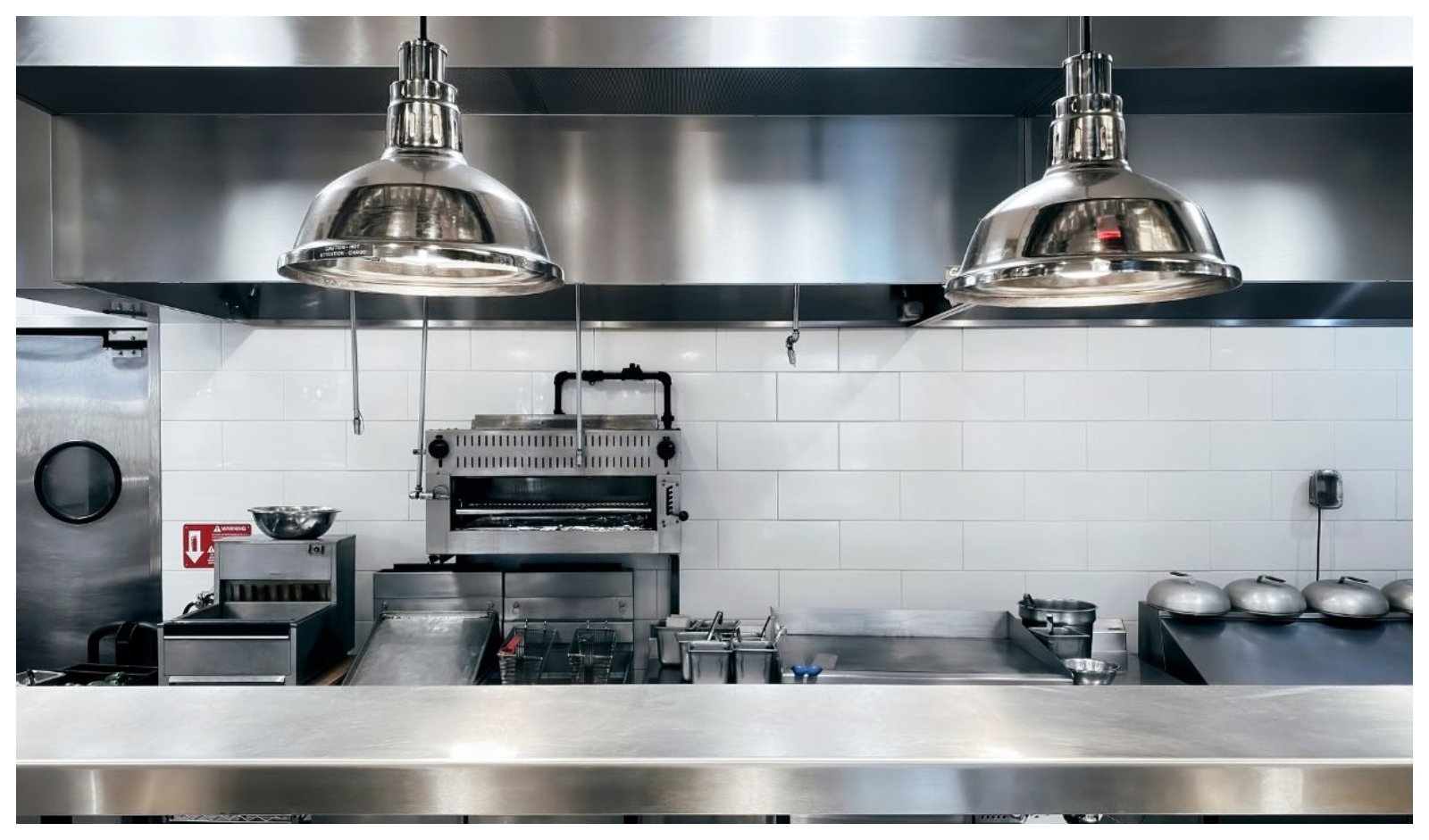
No fancy seating. No prime location needed. Sometimes, not even a visible storefront. Just a kitchen — focused purely on cooking and delivering food.
Lower rent, fewer staff requirements, minimal front-end investment.
At first glance, it feels like a smarter, leaner model. And in many ways, it is.
But it’s not without its own challenges.
Profit Margins: Where the Real Battle Happens
Let’s get to the heart of it.
When people talk about Cloud Kitchens vs Traditional Restaurants: Who Wins in Profit?, they’re really asking which model makes more money after everything is accounted for.
Cloud kitchens often have lower fixed costs. That’s a big advantage. You don’t need to maintain a large space or invest heavily in interiors. This allows for better margins — at least on paper.
But then come the commissions.
Food delivery platforms take a percentage of each order. Add packaging costs, discounts, and marketing expenses, and suddenly the margin starts shrinking.
Traditional restaurants, on the other hand, avoid delivery commissions for dine-in customers. But their overheads are higher, which eats into profits differently.
It’s less about which is better, and more about where the money leaks.
Customer Experience vs Convenience
Restaurants offer something cloud kitchens can’t fully replicate — experience.
The lighting, the music, the smell of fresh food… it all adds up. People are willing to pay a premium for that.
Cloud kitchens trade that experience for convenience. Fast delivery, multiple cuisines, quick options. It suits modern lifestyles, especially in cities where time is always short.
Different strengths. Different audiences.
Scalability: Thinking Beyond One Location
Here’s where cloud kitchens really shine.
If one brand works, you can replicate it in multiple locations without massive investment. You can even run multiple brands from a single kitchen — experimenting with cuisines, pricing, and concepts.
Traditional restaurants don’t scale that easily.
Opening a second outlet means repeating the entire setup — rent, interiors, staffing. It’s doable, but not as quick or flexible.
That flexibility often gives cloud kitchens an edge in expansion.
Brand Building: A Hidden Challenge
Interestingly, building a brand is harder for cloud kitchens.
Without a physical presence, customers rely on app listings, reviews, and packaging. Loyalty exists, but it’s more fragile. One bad experience, and switching to another brand is just a tap away.
Restaurants, meanwhile, build memory.
People remember the place, the vibe, the moments. That emotional connection can turn into long-term loyalty — something that doesn’t always show up immediately in profit calculations.
So… Who Actually Wins?
If you’re expecting a clear winner, it’s not that simple.
Cloud kitchens often win in terms of lower investment and faster scalability. They’re efficient, adaptable, and aligned with modern delivery habits.
Traditional restaurants win in brand value, customer experience, and long-term loyalty.
When you zoom out, Cloud Kitchens vs Traditional Restaurants: Who Wins in Profit? becomes less of a competition and more of a strategic choice.
It depends on what you’re optimizing for.
A Hybrid Future?
Something interesting is happening now — businesses are blending both models.
Restaurants are launching cloud kitchen brands to increase reach. Cloud kitchens are experimenting with small dine-in spaces to build visibility.
It’s no longer either/or.
It’s becoming both.
Final Thoughts
The food industry has always been dynamic, but right now, it feels like it’s reinventing itself in real time.
Cloud kitchens aren’t replacing restaurants. Restaurants aren’t becoming obsolete. They’re evolving, adapting, learning from each other.
And maybe that’s the real takeaway.
Profit doesn’t come from the model alone. It comes from execution — how well you understand your audience, manage your costs, and deliver consistent quality.
Because at the end of the day, whether it’s a fancy dining space or a hidden kitchen behind an app listing, one thing still matters most.
The food has to be good.

Admin
A contributor to Blognary’s independent wall of business, technology, finance and marketing perspectives.
VIEW ALL ARTICLES