There’s something deeply reassuring about turning on a tap and knowing water will flow. It’s one of those small certainties that anchor daily life—like morning tea, washing your hands, or filling a bottle before heading out. We don’t think about it much. Maybe that’s the point. Water is supposed to be simple.
But every now and then, you come across a piece of information that nudges you out of that comfort zone. Not in a dramatic, panic-inducing way—just enough to make you pause and wonder what’s actually behind that clear, familiar stream.
The Invisible Side of Everyday Water
Most of us judge water by what we can see, taste, or smell. If it’s clear and doesn’t have an odd flavor, it feels safe. And to be fair, modern systems do a lot to keep it that way. But some concerns don’t show up in obvious ways.
Take pfas exposure, for instance. It’s not something you’d notice while sipping a glass of water. These compounds don’t announce themselves. They don’t change the color or leave a bitter aftertaste. And yet, they’ve quietly become part of a broader conversation about environmental health.
What makes them tricky is their persistence. Once introduced into the environment—through industrial processes, consumer products, or waste—they tend to stick around. And over time, small exposures can add up, not overnight, but gradually. That slow accumulation is what’s prompted scientists and regulators to take a closer look.
Where Our Water Really Comes From
It’s easy to forget that the water reaching your home has traveled quite a journey. It may start in a river, a reservoir, or underground aquifers, moving through natural and man-made pathways before it reaches your tap.
Along the way, it interacts with its surroundings. That’s where things get complicated. Because while nature does a decent job filtering impurities, it wasn’t exactly designed to handle modern pollutants.
That’s why discussions around water supplies have become more layered in recent years. It’s no longer just about availability—whether there’s enough water—but also about quality and consistency. Different regions face different challenges. Some deal with agricultural runoff, others with industrial residues, and some with aging infrastructure that simply wasn’t built for today’s standards.
It’s a reminder that water isn’t a one-size-fits-all resource. What’s true in one place might look very different somewhere else.
The Role of Filtration and Treatment
So where does that leave us?
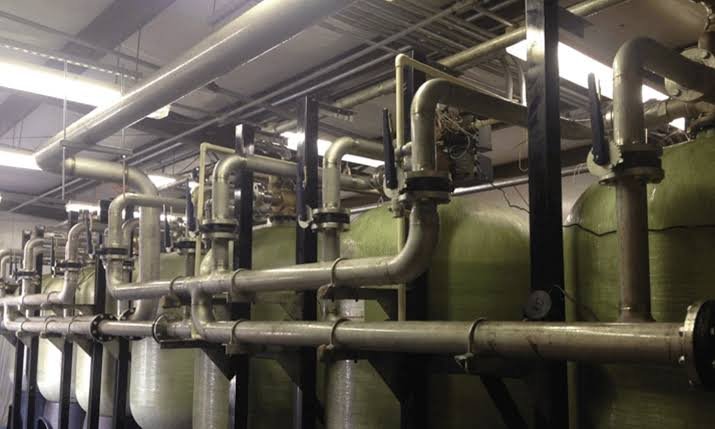
Well, this is where technology steps in. Modern water treatment systems have evolved significantly, especially in response to emerging concerns. They’re no longer just about basic purification. Many are designed to target specific contaminants—things that older methods might not have fully addressed.
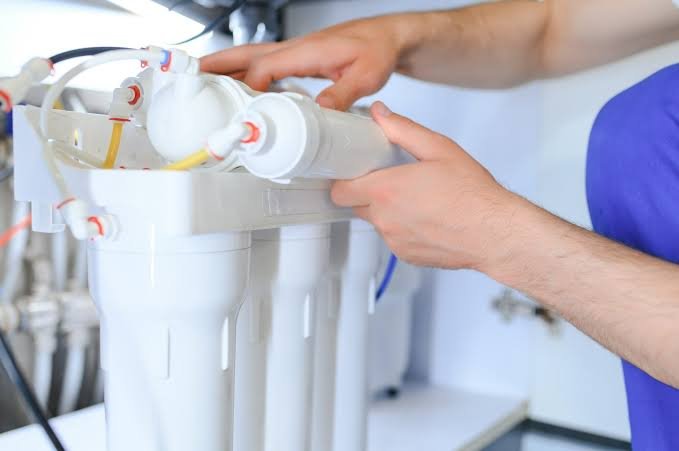
From activated carbon filters to more advanced processes like reverse osmosis, there’s a wide range of options available today. But here’s the thing—not every solution is necessary for every household. Sometimes people jump straight to the most complex system when a simpler approach would work just fine.
It really comes down to understanding your local water quality and choosing accordingly. No need to over-engineer a solution if the basics already cover your needs. At the same time, ignoring potential issues doesn’t help either.
Awareness Without Anxiety
It’s easy to feel overwhelmed when you start digging into water-related topics. There’s a lot of information out there, and not all of it is easy to interpret. Some of it leans toward alarmism, while other parts feel overly technical.
Somewhere in between lies a more balanced perspective.
Being aware doesn’t mean being anxious. It simply means you’re informed enough to make decisions that feel right for you. Maybe that means installing a filter. Maybe it means testing your water once in a while. Or maybe it’s just staying updated with local reports.
There’s no single “correct” response here.
A Subtle Shift in Perspective
If there’s one thing this conversation highlights, it’s how easily we take everyday essentials for granted. Water has always been there, quietly supporting every part of our lives. And maybe it still does, just as reliably as before.
But now, there’s a bit more awareness layered on top of that trust. A sense that while things may look simple on the surface, there’s more happening beneath.
And that’s not necessarily a bad thing.
Final Thoughts
You don’t need to become a water quality expert overnight. Most people won’t—and that’s perfectly fine. But taking a moment to understand what you’re drinking, even in a basic sense, can be surprisingly empowering.
Because at the end of the day, it’s not about fear or overreaction. It’s about making small, thoughtful choices in a world that’s becoming just a little more complex than it used to be.
And maybe, just maybe, appreciating that glass of water a bit more than before.

Admin
A contributor to Blognary’s independent wall of business, technology, finance and marketing perspectives.
VIEW ALL ARTICLES