There’s a small moment most of us recognize — you fill a glass of water, take a sip, and pause. Not because it tastes bad exactly, but because something feels slightly off. Or maybe it’s not even about taste. Maybe it’s just a growing awareness, a quiet question in the back of your mind: “What’s actually in this?”
Water used to be simple. You trusted it without thinking. But lately, that trust has started to feel a bit more… thoughtful.
When Awareness Starts Changing Habits
We’re not living in a time of panic about water, but we are living in a time of awareness. Information is easier to access, conversations are more open, and suddenly, things like contaminants and filtration aren’t niche topics anymore.
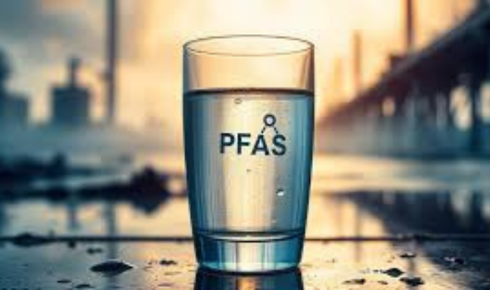
One of the most talked-about concerns right now revolves around PFAS — those persistent chemicals that don’t break down easily. For many homeowners, the goal isn’t to overreact. It’s to understand how to reduce exposure to pfas in a way that feels practical.
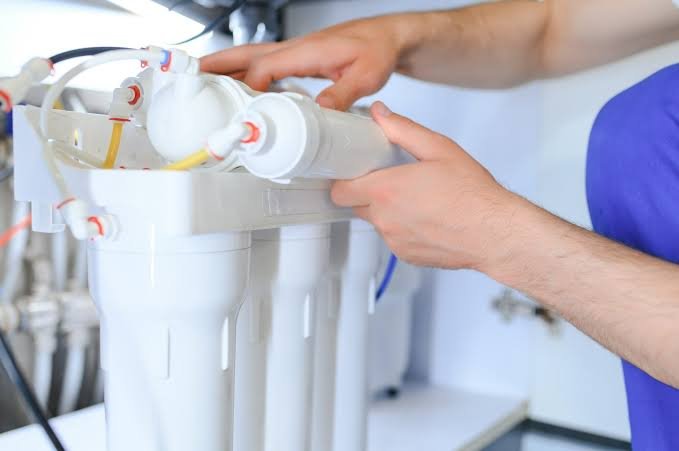
That might mean starting small. A filter under the sink. Paying a bit more attention to where your water comes from. It’s less about fear and more about control — taking a step toward something you can manage.
The Real Meaning of “Clean Water”
We often assume that if water looks clear, it must be clean. And in many ways, that’s true. Municipal systems are designed to meet safety standards, and they do a good job.
But “safe” and “ideal” aren’t always the same thing.
Clean water, in a more personal sense, is about how it feels to use. Does it taste fresh? Does it leave behind any residue? Does it give you confidence when you pour a glass or cook a meal?
That’s why the idea of clean safe drinking water has taken on a slightly different meaning. It’s no longer just about meeting minimum standards — it’s about creating a better everyday experience.
Looking at What’s Available
The good news is, you don’t have to overhaul your entire home to make improvements. Water treatment has come a long way, and there are options that fit different needs, budgets, and levels of concern.
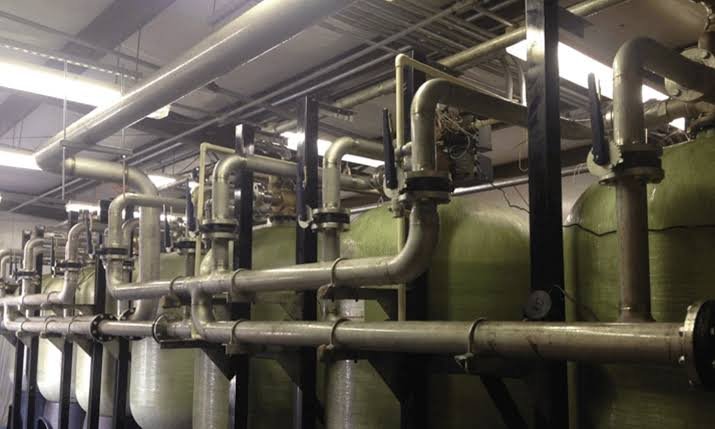
Some people start with simple carbon filters. Others move toward more advanced filtration options like reverse osmosis systems or multi-stage setups that target specific contaminants.
It’s not about choosing the most complex system available. It’s about finding what works for your situation. A solution that fits into your routine without making life more complicated.
Small Changes That Add Up
What’s interesting about improving water quality is how subtle the benefits feel at first. There’s no dramatic before-and-after moment. No big reveal.
Instead, it’s a series of small shifts.
Your water tastes better, so you drink more of it. Your coffee feels smoother. You stop second-guessing whether to use tap water for cooking. It all blends into your day in a way that feels natural.
And over time, those small improvements become your new normal.
Beyond Drinking Water
Water doesn’t just matter at the kitchen sink. It runs through your entire home — your showers, your laundry, your cleaning routines.
While drinking water is often the first focus, many people eventually start thinking about the bigger picture. How water interacts with skin, hair, appliances, and surfaces.
You might notice fewer spots on dishes. Softer laundry. A shower that feels a bit more refreshing. Again, nothing dramatic — just a smoother, more comfortable experience overall.
Finding a Balance That Works
It’s easy to get overwhelmed when you start exploring water quality. There’s a lot of information out there, and not all of it feels easy to digest.
But the goal isn’t perfection. It’s balance.
Understanding your water, choosing solutions that make sense, and making changes that feel sustainable. That’s really what it comes down to.
You don’t have to fix everything at once. In fact, most people don’t. They take it step by step, adjusting as they learn more.
A Quiet Upgrade You’ll Appreciate Over Time
What surprises most people isn’t how big the change is — it’s how quickly it becomes invisible. Better water doesn’t demand attention. It just works.
You stop noticing the taste. You stop thinking about whether your water is “good enough.” It fades into the background, doing exactly what it’s supposed to do.
And in a way, that’s the best outcome.
Closing Thoughts
Water is one of those essentials we rely on without much thought — until we start thinking about it. And when we do, it opens up a whole new perspective on something that’s been part of our lives all along.
Taking steps to improve it isn’t about chasing perfection or reacting to fear. It’s about making thoughtful choices that fit your home and your lifestyle.
And sometimes, it starts with something as simple as a glass of water that finally feels just right.

Admin
A contributor to Blognary’s independent wall of business, technology, finance and marketing perspectives.
VIEW ALL ARTICLES