You can spot a good wrap from a distance. The colors feel rich, the finish looks clean, and everything seems to sit naturally on the vehicle. It doesn’t scream for attention — it just holds it.
But give it a few months, maybe a year, and the real test begins. Some wraps fade, edges lift, surfaces lose that crisp look. Others? They still feel solid, like they were applied yesterday.
That difference rarely comes down to design alone. It’s usually about what’s underneath.
The Foundation Most People Overlook
When people talk about wraps, they usually focus on the visuals — logos, colors, branding. And sure, that’s the part you see. But what you don’t see matters just as much, maybe more.
The choice of high quality vinyl can completely change how a wrap behaves over time. It affects how smoothly it applies, how well it conforms to curves, and how it holds up against daily wear.
There’s a certain feel to good vinyl. It’s more flexible, more forgiving during installation, and somehow… more stable once it’s in place. You don’t always notice it right away, but over time, it becomes obvious.
Why Durability Isn’t Just a Buzzword
Vehicles live hard lives. Sun exposure, dust, rain, temperature swings — it all adds up. A wrap isn’t sitting in a controlled environment; it’s out there, dealing with whatever the road throws at it.
That’s where durable vinyl materials really prove their worth. They resist fading, handle expansion and contraction, and maintain their structure even after long periods of use.
It’s not about being indestructible — nothing is. It’s about holding up well enough that the wrap continues to look intentional, not worn out or neglected.
And in a business context, that matters more than people think. A faded or peeling wrap can quietly send the wrong message.
Not All Vinyl Is Created Equal
This is something that often surprises people. Vinyl isn’t just vinyl. There are different grades, different finishes, different adhesive qualities — all designed for specific purposes.
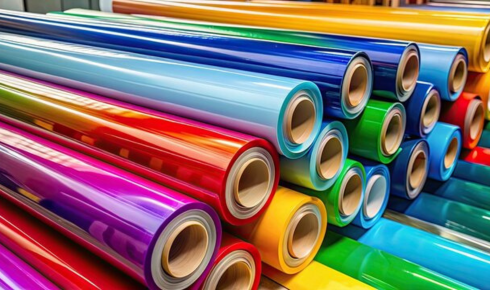
Exploring various wrap vinyl options can feel a bit overwhelming at first. Matte, gloss, satin, textured finishes… each one brings a different look and feel. Some are better suited for bold branding, others for subtle, understated designs.
Then there’s the technical side — air-release technology, repositionable adhesives, thickness variations. These details don’t always show up in the final look, but they influence how the wrap performs behind the scenes.
Choosing the right option isn’t just about appearance. It’s about matching the material to the job.
The Role of Installation (And Why It Matters More Than You Think)
Even the best vinyl can fall short if it’s not installed properly. That’s one of those truths people don’t always want to hear, but it’s real.
Installation is part skill, part patience. The material needs to be aligned carefully, stretched just enough to fit without distortion, and secured in a way that prevents lifting or bubbling later on.
Good vinyl makes this process easier. It allows for adjustments, gives installers a bit of breathing room. Lower-quality materials? They can be less forgiving, which increases the chances of small errors that grow over time.
It’s a bit like cooking with good ingredients. You still need skill, but the margin for error is different.
Appearance vs. Longevity — Finding the Balance
Sometimes there’s a temptation to prioritize looks above all else. Go for the flashiest finish, the boldest design, the most eye-catching effect.
And there’s nothing wrong with that — to a point.
But a wrap isn’t just about how it looks on day one. It’s about how it looks after months of use. After exposure to weather, after regular cleaning, after being out in the world.
The best wraps strike a balance. They look good, yes, but they also age well. They maintain their presence without constant touch-ups or repairs.
A Practical Layer You Don’t See
One of the quieter benefits of a good wrap is protection. The vinyl acts as a barrier, shielding the original paint from minor scratches, UV damage, and general wear.
For businesses, that can translate into better resale value for vehicles. For individuals, it offers peace of mind — knowing that the underlying surface is preserved.
It’s not the main reason people invest in wraps, but it’s one of those advantages that becomes more noticeable over time.
Final Thoughts
A well-done wrap has a way of blending into the vehicle so naturally that you stop thinking about how it got there. It just feels right.
But behind that simplicity is a series of decisions — about materials, about quality, about how the wrap will perform in the real world.
And maybe that’s the takeaway. The best wraps aren’t just designed to look good. They’re built to last, quietly holding their place on the road while everything else keeps moving.

Admin
A contributor to Blognary’s independent wall of business, technology, finance and marketing perspectives.
VIEW ALL ARTICLES