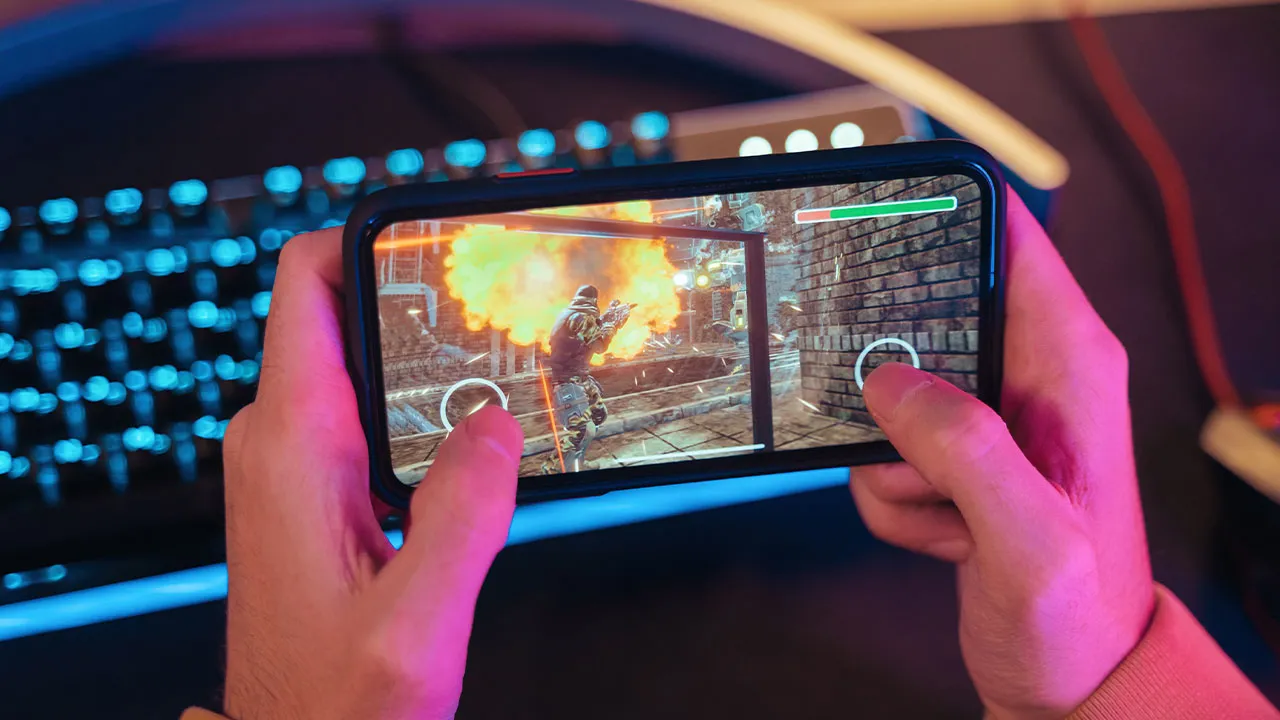
There was a time when video games felt… predictable. Not in a bad way, just structured. You followed a path, made a few choices, reached one of a handful of endings, and that was that. The story was crafted, polished, and ultimately fixed.
Now? It feels different. Subtly, but undeniably. Characters respond in unexpected ways. Worlds feel more alive. And sometimes, you get the strange sense that the game is adapting to you, not the other way around.
That shift didn’t happen overnight. But it’s here—and it’s being driven, quietly but powerfully, by artificial intelligence.
Games That Learn While You Play
One of the most fascinating changes AI brings is adaptability. Earlier, non-playable characters (NPCs) followed scripts. They reacted based on pre-defined triggers. Once you understood the pattern, the illusion faded a bit.
Now, AI is making those interactions feel less mechanical. NPCs can adjust behaviors, react differently based on your choices, even “learn” from how you play. It doesn’t always feel groundbreaking in the moment, but over time, it adds depth.
You’re no longer just playing a game. You’re influencing a system that’s constantly reshaping itself around you.
Storytelling Isn’t Linear Anymore
Traditional storytelling in games has always had constraints. Writers had to account for multiple paths, but those paths were still finite.
AI is loosening those boundaries. It allows for more dynamic narratives—stories that don’t just branch out but evolve. Dialogue can feel less scripted. Events can unfold in ways even developers didn’t explicitly design.
This is where The Impact of AI in Game Development and Storytelling becomes especially noticeable. It’s not just about smarter enemies or better graphics—it’s about stories that feel less like pre-written scripts and more like living experiences.
Developers Are Becoming Conductors, Not Just Creators
Here’s an interesting shift: game developers aren’t always controlling every detail anymore. Instead, they’re setting the stage and letting AI systems fill in the gaps.
Procedural generation isn’t new, but AI takes it further. Entire landscapes, side quests, even character interactions can be generated or adjusted in real-time. Developers guide the tone, the rules, the boundaries—but within that, there’s room for variation.
It’s a bit like composing music and then allowing each performance to sound slightly different.
The Human Touch Still Matters
With all this talk about AI, it’s easy to assume machines are taking over storytelling. But that’s not quite true.
AI can assist, enhance, and expand—but it doesn’t replace human creativity. The emotional core of a story, the nuance of a character’s journey, the subtlety of meaningful dialogue—these still come from people.
In fact, many developers use AI as a tool rather than a creator. It helps generate ideas, refine mechanics, or test possibilities, but the heart of the story remains human.
And honestly, that balance is what makes it work.
Faster Development, But New Challenges
AI is also speeding up parts of game development. Tasks that once took weeks—like designing environments or testing gameplay scenarios—can now be done much faster.
But speed comes with its own challenges.
There’s the risk of over-reliance. If everything becomes automated, games might start to feel similar or lose that handcrafted charm. There’s also the question of control—how much freedom should AI have within a game?
These are questions the industry is still figuring out. And the answers aren’t always clear.
Players Expect More Now
Interestingly, as AI improves games, it also raises expectations.
Players get used to smarter NPCs, richer worlds, and more responsive storytelling. Once you’ve experienced a game that feels alive, it’s hard to go back to something that feels static.
This creates a kind of pressure on developers—not just to adopt AI, but to use it meaningfully. Because adding technology without purpose rarely impresses anyone.
A Glimpse Into the Future
It’s tempting to imagine where all this leads. Games that generate entire storylines based on your personality. Characters that remember your past actions across different playthroughs. Worlds that evolve even when you’re not playing.
Some of this already exists in early forms. Some of it is still experimental. But the direction is clear—games are becoming less like fixed products and more like evolving experiences.
Final Thoughts: It’s Still About the Experience
At the end of the day, players don’t think about algorithms or systems while playing. They think about how a game made them feel.
Did it surprise them? Did it pull them in? Did it stay with them after they turned it off?
AI, for all its complexity, is just another tool to enhance that experience. When used well, it disappears into the background, letting the story take center stage.
And maybe that’s the real goal—not to make AI visible, but to make games feel more human than ever before.

Admin
A contributor to Blognary’s independent wall of business, technology, finance and marketing perspectives.
VIEW ALL ARTICLES