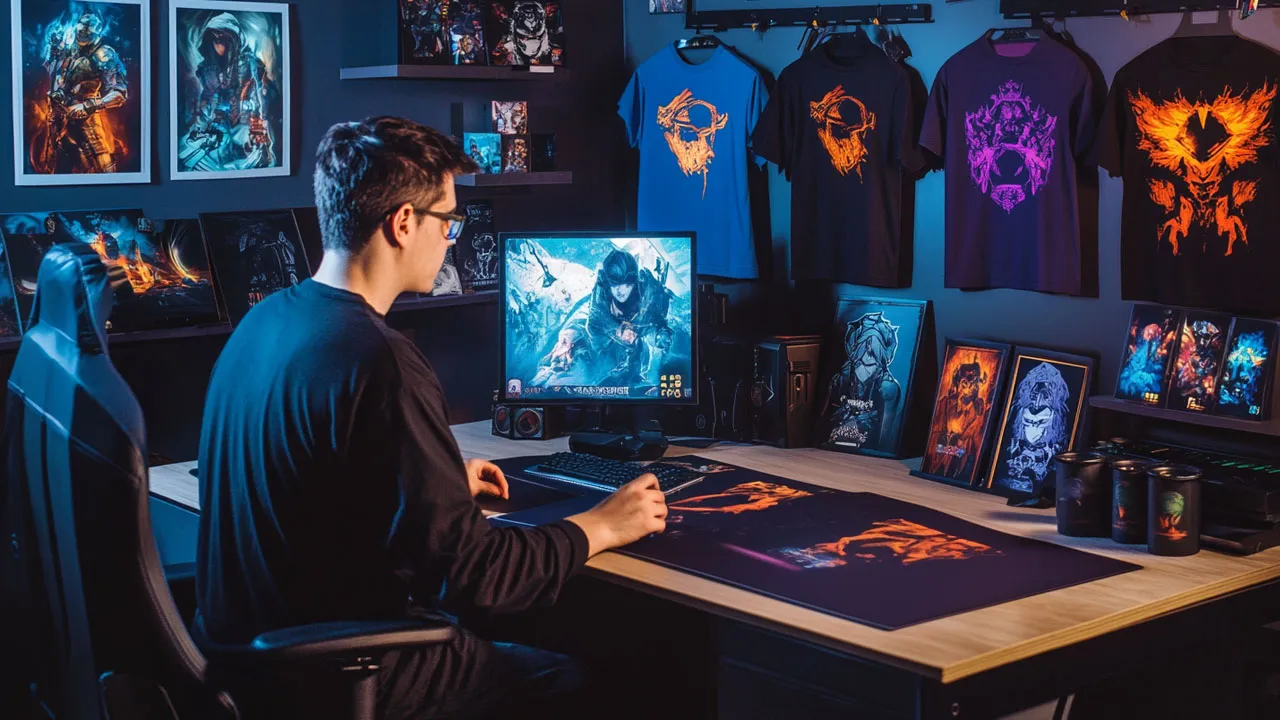
There was a time when gaming meant sitting in front of a bulky desktop, headphones on, completely lost in another world. It was immersive, yes — but also a bit… fixed. You had to be there, in that chair, at that desk.
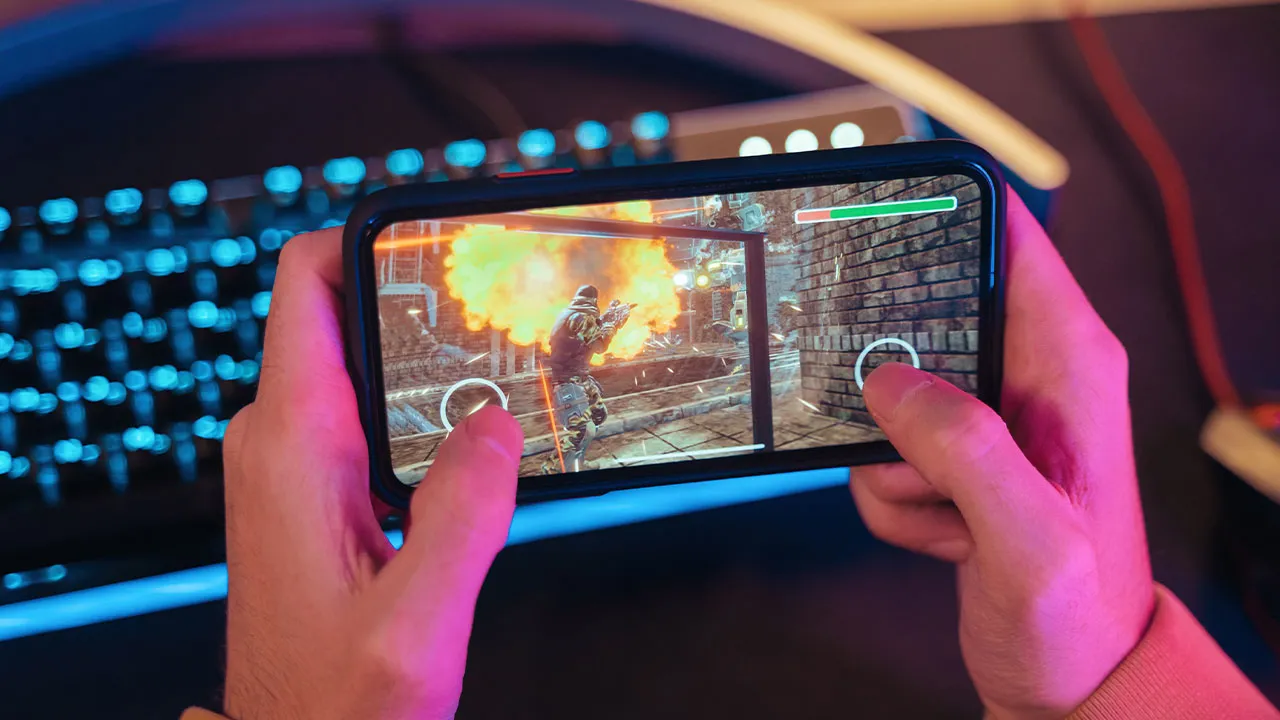
Now? Gaming happens everywhere. In autos, on beds, during lunch breaks, sometimes even in those quiet five-minute gaps between work calls. All thanks to the tiny device sitting in your pocket.
But here’s the thing — while mobile gaming has exploded, PC gaming hasn’t exactly faded away. If anything, both worlds are evolving, just in very different directions.
The Convenience Factor That Changed Everything
Mobile gaming didn’t win people over with graphics or complexity — at least not in the beginning. It won with convenience.
You don’t need a high-end setup. No expensive hardware. Just download, tap, and play. That’s it.
In countries like India, where smartphones are far more accessible than gaming PCs, this shift feels almost inevitable. Millions of new players entered gaming not through consoles or desktops, but through mobile screens.
And once they got comfortable, they stayed.
The Depth That Keeps PC Gaming Alive
At the same time, PC gaming has held on to something mobile struggles to fully replicate — depth.
We’re talking about expansive open worlds, high-end graphics, competitive esports titles that demand precision, strategy, and serious hardware. For many gamers, that experience is non-negotiable.
There’s also the culture around it. Streaming setups, modding communities, custom builds — PC gaming isn’t just about playing. It’s about being part of something bigger.
So while mobile gaming brings people in, PC gaming often keeps the enthusiasts engaged long-term.
A Different Kind of Growth
If you look at numbers alone, mobile gaming is clearly ahead. More users, more downloads, faster expansion. It’s everywhere.
But growth isn’t just about scale.
This is where Mobile Gaming vs PC Gaming: Where is the Real Growth? becomes a more nuanced question. Mobile is growing in volume — new players, casual gamers, massive reach. PC, on the other hand, is growing in value — higher spending per user, deeper engagement, and a more dedicated audience.
Two different types of growth, both significant in their own way.
The Rise of Competitive Mobile Gaming
One of the biggest surprises in recent years has been the rise of mobile esports.
Games that were once considered casual have evolved into highly competitive platforms. Tournaments, sponsorships, professional teams — it’s all there now, just on a smaller screen.
And the audience? Huge.
Streaming platforms are filled with mobile gamers building loyal communities. For younger players especially, mobile isn’t a “lesser” platform. It’s their primary one.
That shift in perception is important.
Accessibility vs Experience
At its core, the difference between mobile and PC gaming often comes down to accessibility versus experience.
Mobile gaming is inclusive. Anyone with a smartphone can participate. It lowers the barrier to entry in a way that’s hard to match.
PC gaming, meanwhile, offers a richer, more immersive experience — but at a cost. Hardware, upgrades, peripherals… it adds up.
Neither is better. They just serve different needs.
Some people want quick entertainment during a commute. Others want to spend hours exploring detailed virtual worlds. And many? They do both.
Monetization Tells an Interesting Story
Another angle worth looking at is how money flows in each space.
Mobile games often rely on microtransactions — small purchases that add up over time. Skins, upgrades, battle passes. It’s a model built around scale.
PC gaming, however, leans more toward upfront purchases or subscription models, especially for premium titles. Players might spend more per transaction, even if they’re fewer in number.
This difference shapes how games are designed, marketed, and sustained.
Technology Is Blurring the Lines
Interestingly, the gap between mobile and PC gaming is starting to shrink.
Cloud gaming, for instance, allows high-end games to run on lower-end devices. Mobile processors are becoming more powerful. Accessories like controllers and external displays are enhancing the mobile experience.
At the same time, PCs are becoming more user-friendly, with plug-and-play setups and better accessibility options.
The lines aren’t as rigid as they once were.
Where Does This Leave Us?
Trying to pick a “winner” between mobile and PC gaming feels a bit like comparing apples and oranges.
They’re part of the same ecosystem, but they play different roles.
Mobile gaming is expanding the audience, bringing in new players, and making gaming more mainstream than ever before. PC gaming is deepening the experience, pushing boundaries, and keeping the core community engaged.
Both are growing — just in ways that don’t always overlap.
Final Thoughts
Gaming today isn’t confined to a single platform or style. It’s fluid, adaptable, and shaped by how people choose to engage with it.
Some days, it’s a quick match on your phone. Other days, it’s a long session on a powerful PC setup.
And maybe that’s the real growth — not just in numbers or revenue, but in how gaming fits into everyday life.
Because in the end, it’s not about where you play.
It’s about why you play — and that hasn’t changed at all.

Admin
A contributor to Blognary’s independent wall of business, technology, finance and marketing perspectives.
VIEW ALL ARTICLES