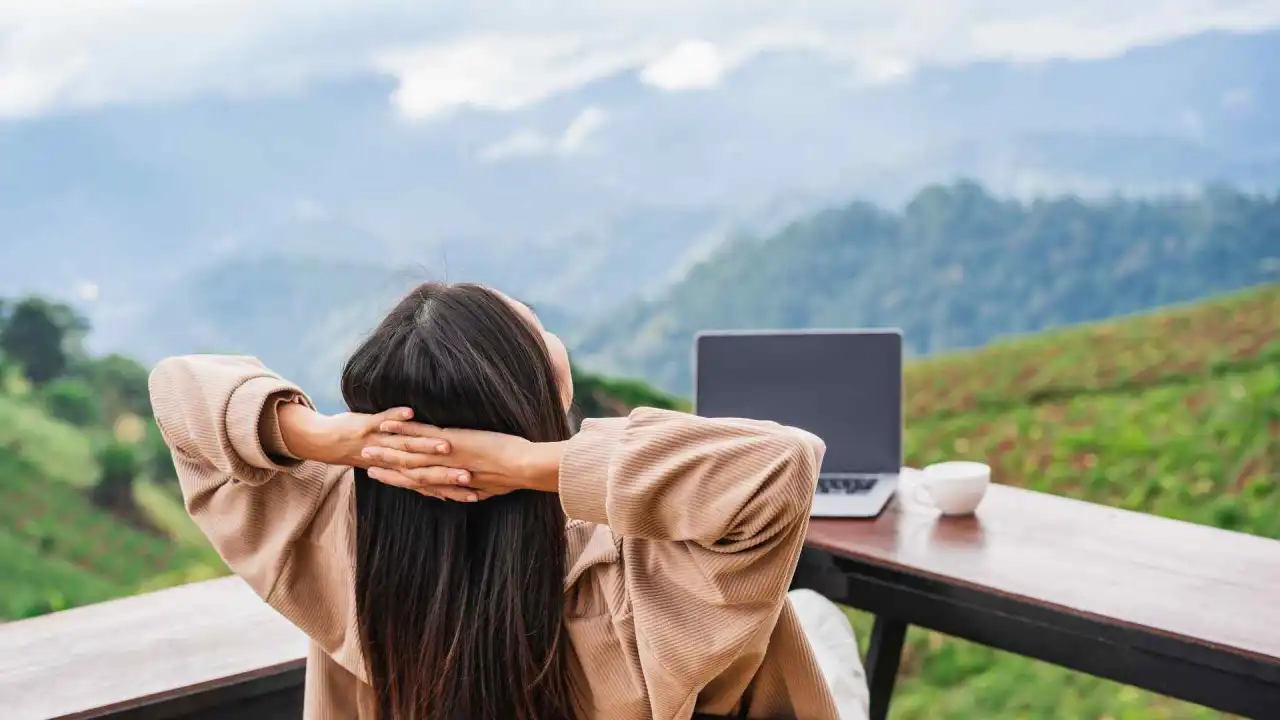
There’s a certain kind of morning that didn’t exist for most of us a few years ago. You wake up not to traffic noise or alarms layered with urgency, but to birds, maybe a bit of mountain air drifting in. You make your tea, open your laptop, and… start work.
No office commute. No rigid desk. Just you, your tasks, and a different view.
This isn’t a vacation. Not exactly. It’s something in between.
When Work Stopped Being a Place
Remote work changed more than schedules — it changed geography.
Once work became something you do rather than somewhere you go, people started asking a simple question: why stay in one place?
At first, it was occasional — a week here, a short trip there. But slowly, it evolved into a pattern. People began choosing destinations not just for relaxation, but for livability.
That’s how Workation Trends: Combining Travel and Remote Work in India quietly moved from being a niche idea to something more mainstream.
Why India Makes It Work
India, in many ways, is perfectly suited for this shift.
You can move from a busy city to a quiet hill station in a matter of hours. Coastal towns, mountain villages, heritage cities — each offers a different pace, a different mood.
Places like Goa, Himachal, Uttarakhand, even parts of Kerala have started adapting. Better internet, co-working spaces, long-stay accommodations — all slowly aligning with this new way of living.
It’s not seamless everywhere, but it’s improving.
The Appeal: More Than Just a View
At first glance, workations seem like an upgrade — better scenery, fresh air, maybe even a bit of adventure after work hours.
But the real appeal runs deeper.
It breaks routine.
Working from a new place can shift your mindset. You feel less stuck, more open, sometimes even more productive. Not always, but often enough to notice.
There’s also a subtle psychological effect — when your surroundings change, your thinking does too.
The Reality Check Nobody Talks About
Of course, it’s not all Instagram-worthy moments.
Work doesn’t disappear just because you’re in a scenic location. Deadlines remain. Meetings happen. Wi-Fi issues can turn a calm morning into a frustrating one.
And then there’s the balance problem.
It’s easy to feel like you’re not fully working or fully relaxing. You’re somewhere in between, trying to manage both. Some people thrive in that space. Others find it exhausting.
So while the idea sounds perfect, the experience depends a lot on how you manage your time and expectations.
Practical Challenges Along the Way
Let’s get real for a moment.
Reliable internet isn’t guaranteed everywhere. Power cuts still happen in certain areas. Finding a quiet, comfortable workspace can take effort.
And then there’s cost.
Long-term stays, travel expenses, food — it adds up. Sometimes more than staying in one city would.
Planning becomes important. Not overplanning, but enough to avoid unnecessary stress.
Who It Works Best For
Workations aren’t for everyone — and that’s okay.
They work best for people with flexible schedules, remote-friendly jobs, and a bit of adaptability. Freelancers, entrepreneurs, digital marketers, developers — roles that don’t rely heavily on physical presence.
But even within that group, personal preference plays a big role.
Some people need stability to function well. Others enjoy movement and change. Neither is better — just different.
A Shift in How We Think About Work
What’s interesting is how this trend is changing perception.
Work is no longer tied to a fixed structure. It’s becoming more fluid, more personalised. People are experimenting with how, when, and where they work.
That’s where Workation Trends: Combining Travel and Remote Work in India becomes more than just a lifestyle trend. It reflects a broader shift — a rethinking of what productivity and balance actually look like.
Finding Your Own Version of It
Not every workation needs to be long or elaborate.
It could be a week in a nearby town. A short stay in a quieter part of your own state. Even a few days away from your usual environment can create a noticeable difference.
The idea isn’t to escape work, but to reshape how it fits into your life.
And sometimes, small changes are enough.
Final Thoughts
The line between work and life has always been a bit blurry. Workations don’t necessarily fix that — they just redraw the boundary in a different way.
For some, it’s refreshing. For others, it’s unnecessary.
But what it does offer is choice.
The choice to step out of routine. To explore without disconnecting. To work in a way that feels slightly more… human.
And maybe that’s what makes it worth considering — not as a permanent lifestyle, but as something to experience, understand, and shape in your own way.

Admin
A contributor to Blognary’s independent wall of business, technology, finance and marketing perspectives.
VIEW ALL ARTICLES