Not too long ago, the path felt predictable. Study hard, earn a degree, land a stable job — repeat. It was almost a social contract. Parents believed in it, schools reinforced it, and most of us followed along without questioning much.
But somewhere along the way, things started shifting. Quietly at first. A freelancer earning more than a graduate. A self-taught developer landing global clients. A designer building a career without ever stepping into a formal classroom.
And now, in 2026, the question feels unavoidable.
The Old System Still Holds Weight
Let’s not dismiss traditional degrees too quickly.
There’s still a certain credibility attached to a college education. Fields like medicine, law, engineering — they require structured learning, deep theory, and formal certification. You can’t exactly YouTube your way into becoming a surgeon.
Degrees also offer something less obvious — exposure. College isn’t just about textbooks. It’s about conversations, perspectives, late-night debates, and figuring out who you are. That part still matters.
So yes, traditional education hasn’t disappeared. It’s just… no longer the only road.
Skills Are Stealing the Spotlight
Scroll through job listings today, and you’ll notice a subtle but important shift. Employers aren’t just asking for degrees — they’re asking for proof of skills.
Can you build? Can you solve problems? Can you adapt?
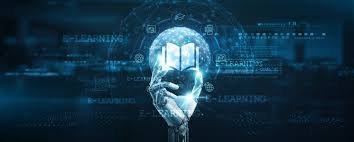
That’s where skill-based learning comes in. Online courses, bootcamps, internships, real-world projects — these are shaping a new kind of learner. Someone who focuses less on theory and more on execution.
And honestly, it makes sense.
In fast-moving industries like tech, marketing, or design, what you learned three years ago might already feel outdated. Skills, on the other hand, evolve with you.
Why the Debate Feels So Real Now
The conversation around Skill-Based Learning vs Traditional Degrees: What’s Winning in 2026? isn’t just academic anymore. It’s personal.
Students are questioning whether spending years (and often lakhs of rupees) on a degree guarantees anything. Parents are starting to notice alternative paths. Even companies are rethinking hiring criteria.
It’s not about rebellion. It’s about practicality.
If someone can demonstrate real ability without a formal degree, does the degree still matter as much?
The Flexibility Factor
One thing skill-based learning offers — almost effortlessly — is flexibility.
You can learn at your own pace. Choose what interests you. Skip what doesn’t. There’s no rigid syllabus, no one-size-fits-all structure.
Compare that to traditional degrees, where the curriculum often moves slowly and doesn’t always keep up with industry needs.
But flexibility comes with a catch.
Without structure, it’s easy to drift. To start courses and never finish them. To learn bits and pieces without mastering anything.
So while the freedom is appealing, it demands discipline — something not everyone is prepared for.
The Reality of the Job Market
Here’s where things get a bit messy.
Some companies still filter candidates based on degrees. It’s easier, faster, and feels safer. Especially in large organisations.
But startups? Freelance platforms? Global remote teams?
They care less about your degree and more about your output.
A strong portfolio can often outweigh a formal qualification. A well-built project can speak louder than a certificate.
That’s why discussions around Skill-Based Learning vs Traditional Degrees: What’s Winning in 2026? don’t have a clear winner. The answer changes depending on where you look.
Social Pressure vs Personal Direction
In countries like India, this debate isn’t just about careers — it’s about expectations.
Families still value degrees. There’s a sense of security attached to them. Saying “I’m learning skills online” doesn’t always carry the same weight at the dinner table.
And that can be tough.
Because sometimes, the path that works best for you doesn’t look impressive on paper — at least not immediately.
It takes confidence to choose differently. And patience to prove it works.
A Blended Approach Might Be the Real Answer
Maybe the real conversation isn’t about choosing one over the other.
Maybe it’s about combining both.
A degree can give you a foundation — critical thinking, discipline, exposure. Skills can give you direction — practical ability, adaptability, relevance.
Together, they create something stronger.
More balanced.
Final Thoughts
If you’re looking for a clear winner, you might be disappointed.
Because the truth is, there isn’t one.
What’s changing in 2026 isn’t just education — it’s how we define success. It’s becoming less about the path you take and more about what you can actually do.
And maybe that’s a good thing.
Because it opens doors for more people, more ideas, and more unconventional journeys.
So whether you’re holding a degree, building skills, or trying to figure things out somewhere in between — you’re not behind.
You’re just navigating a world that’s finally starting to offer more than one way forward.

Admin
A contributor to Blognary’s independent wall of business, technology, finance and marketing perspectives.
VIEW ALL ARTICLES