Home Blog Page 8

The Real Price Tag of Buying Used: What No One Tells You in 2026

There’s something oddly satisfying about buying a used car. Maybe it’s the feeling of getting a “deal,” or that quiet confidence that you outsmarted depreciation. I’ve been there too—standing in a dusty lot, imagining road trips and weekend drives, convinced I’d found a gem. But here’s the thing nobody really talks about: the sticker price is just the beginning.

Once the excitement settles, the reality of ownership starts to unfold. And sometimes, it’s not as pretty as that polished hood made it seem.


The First Surprise: Repairs You Didn’t Plan For

Even if the car looks spotless, hidden issues tend to creep up. A used car carries history—some of it visible, most of it not. Within the first few months, many buyers find themselves dealing with things like worn-out brake pads, battery replacements, or even suspension problems.

Mechanics often say, “If it’s too good to be true, it probably is.” That doesn’t mean every used car is a bad investment, but it does mean you should expect some post-purchase expenses. These aren’t always major, but they add up quietly, like coins slipping out of your pocket.


Insurance Isn’t Always Cheaper

It’s easy to assume that an older car equals lower insurance. Sometimes that’s true, but not always. In 2026, insurance companies factor in more than just the car’s age—they look at repair costs, availability of parts, and even how often that model gets into accidents.

Ironically, certain older cars can cost more to insure simply because replacement parts are harder to find or more expensive. It’s one of those details people rarely consider when budgeting.


Fuel Efficiency: The Silent Drain

Let’s be honest—fuel prices aren’t getting any kinder. Many used cars, especially those over five or six years old, don’t offer the same efficiency as newer models. What seems like a small difference—say, 4–5 km/l—can become a noticeable monthly expense.

Over time, that extra fuel cost might actually outweigh the savings you made by choosing a used car in the first place. It’s not dramatic, but it’s persistent.


Technology Gaps You’ll Notice Later

At first, you might not care about missing features. Who needs wireless charging or advanced driver assistance, right? But give it a few months.

You’ll start noticing the absence of things like modern infotainment systems, better safety features, or even simple conveniences like rear cameras. Retrofitting these can be expensive—or sometimes not even possible.

This is where the Hidden Costs of Owning a Used Car in 2026 begin to feel more real. It’s not just about money; it’s about comfort, convenience, and, occasionally, peace of mind.


Depreciation Still Happens (Yes, Really)

A lot of people think used cars don’t depreciate much anymore. That’s partly true—but only to an extent. The moment you buy a used car, it still loses value, just at a slower pace.

And if you’ve overpaid, or the market shifts, you might find it harder to sell later without taking a loss. It’s a quieter kind of depreciation, but it’s there, ticking away in the background.


Maintenance Becomes a Routine, Not an Exception

New cars spoil you with minimal maintenance for the first few years. Used cars? Not so much.

Oil changes, filter replacements, tire wear, coolant flushes—it becomes part of your routine. Some months are smooth, others come with unexpected bills. And while each expense might seem manageable, together they create a steady outflow.

It’s a bit like owning an old house. Charming, yes—but it always needs something.


Warranty? Maybe. Maybe Not.

Most used cars don’t come with a comprehensive warranty. Even certified pre-owned vehicles have limited coverage. That means when something major fails—engine issues, transmission trouble—you’re on your own.

Extended warranties are available, but they come at a cost, and not all of them are worth it. Reading the fine print becomes essential, though not many people enjoy doing that.


Emotional Cost (Yes, That’s Real Too)

This one’s harder to measure, but it matters. There’s a certain unpredictability that comes with used cars. Every strange sound, every flickering dashboard light—it gets into your head.

You start second-guessing long drives or worrying before a road trip. It’s not constant, but it’s there, quietly influencing your experience.


Final Thoughts: It’s Still Worth It—If You’re Prepared

None of this is meant to scare you away from buying a used car. In fact, for many people, it’s still the smartest financial decision. The key is awareness.

If you walk in expecting just the purchase price, you’ll feel frustrated later. But if you plan for the extras—the small fixes, the fuel costs, the occasional inconvenience—you’ll be in a much better position.

A used car isn’t just a cheaper car. It’s a different kind of ownership experience altogether. One that rewards patience, a bit of budgeting, and a willingness to deal with imperfections.

And honestly? For some people, that’s part of the charm.

When Cars Start Thinking: The Quiet Shift in Vehicle Maintenance

There’s a certain comfort in the old-school way of maintaining a car — listening for odd sounds, feeling the steering wheel, maybe even guessing what that blinking dashboard light really means. But things are changing, and not loudly. Instead, it’s a subtle shift, almost invisible, happening under the hood and inside software systems we don’t always see.

We’re stepping into a time where vehicles don’t just respond — they predict, analyze, and sometimes even “decide.” And honestly, it’s both fascinating and a little unsettling.


The Rise of Predictive Maintenance

A few years ago, most car owners followed a simple rule: service your vehicle every few months or after a fixed number of kilometers. It was routine, almost mechanical in itself. Now, that approach feels… outdated.

Artificial intelligence has introduced predictive maintenance — a smarter, more adaptive way to care for vehicles. Instead of waiting for something to go wrong, AI systems monitor engine performance, fluid levels, brake wear, and even driving patterns in real time. They learn from this data and flag potential issues before they become actual problems.

Imagine your car telling you, “Hey, your brake pads might need attention in the next 300 km.” Not based on guesswork, but actual data. That’s a big leap.


Diagnostics That Go Beyond the Surface

Traditional diagnostics tools were reactive. A mechanic plugs in a device, reads error codes, and then begins troubleshooting. Useful, yes — but often limited.

With AI, diagnostics have become more like a conversation between machine and system. The software doesn’t just identify faults; it understands patterns, compares them across millions of vehicles, and refines its insights continuously.

This is where How AI is Transforming Vehicle Maintenance and Diagnostics becomes more than just a trend — it’s a fundamental shift in how we interact with machines. Problems that once took hours (or days) to figure out can now be pinpointed almost instantly.

And it’s not just about speed. Accuracy improves too. Fewer unnecessary repairs. Less trial and error. That means saving money, time, and a lot of frustration.


Smarter Workshops, Not Just Smarter Cars

It’s easy to think AI only exists inside the vehicle. But workshops are evolving just as quickly.

Modern garages are starting to use AI-powered systems that assist mechanics. These tools analyze vehicle history, suggest repair solutions, and even estimate the time required for fixes. It’s like having a digital assistant who’s seen thousands of similar cases before.

Interestingly, this doesn’t replace mechanics — it enhances them. A skilled technician with AI support becomes far more efficient. Less guesswork, more precision.

And customers notice the difference. Faster service, clearer explanations, and fewer repeat visits.


Data: The Real Engine Behind the Change

If AI is the brain, then data is the fuel.

Every drive you take — whether it’s a short city trip or a long highway run — generates data. Speed, braking habits, fuel usage, engine temperature… it all adds up. AI systems use this information to build a detailed picture of your vehicle’s health.

But here’s the thing — it’s not just about your car. The system compares your data with millions of others. That’s how it learns what’s “normal” and what’s not.

It’s a bit like having a doctor who’s studied not just one patient, but an entire population.


Real Benefits for Everyday Drivers

Let’s be honest — most people don’t care about the technical side of things. What they care about is simple: Does it make life easier?

And in this case, it really does.

  • Fewer unexpected breakdowns
  • Better fuel efficiency
  • Lower maintenance costs over time
  • Increased vehicle lifespan

Plus, there’s peace of mind. Knowing your car is constantly monitoring itself? That’s reassuring in a way that regular servicing never quite was.


A Slight Trade-Off: Privacy and Control

Of course, it’s not all perfect.

With so much data being collected, there are valid concerns about privacy. Who owns this data? How is it used? Can it be misused?

These questions don’t have simple answers yet. As AI becomes more integrated into vehicles, regulations and transparency will need to catch up. It’s something the industry — and drivers — will have to navigate carefully.


Where This Road Leads

If you think this is impressive now, it’s only the beginning.

In the near future, vehicles might schedule their own service appointments. Parts could be ordered automatically before they fail. And fully autonomous diagnostics might become standard, even in mid-range cars.

It’s a strange thought — cars taking care of themselves, almost like living systems.

But maybe that’s where we’re headed.


Final Thoughts

The shift toward AI-driven maintenance isn’t flashy. It doesn’t scream for attention like self-driving features or electric powertrains. But quietly, steadily, it’s reshaping how we think about vehicle care.

And perhaps that’s the most interesting part — not that cars are getting smarter, but that they’re becoming more… aware.

Not in a sci-fi sense, of course. But enough to make you pause the next time your dashboard lights up — because now, it might actually know something you don’t.

When the Road Gets Expensive: A Real Look at Electric vs Petrol Bikes in India

There’s a moment every rider in India eventually faces — standing at a fuel pump, watching the numbers climb faster than expected. It’s subtle at first, then annoying, and eventually… it starts to hurt. That’s where the whole electric vs petrol bike conversation stops being theoretical and becomes personal.

Let’s talk about it honestly. Not like a salesman. Not like a tech enthusiast. Just… from a rider’s point of view.


The Purchase Price: The First Hurdle

If you’ve ever browsed electric bikes, you’ve probably noticed the upfront price feels a bit heavy. A decent electric scooter or bike can cost more than a traditional petrol bike in the same category. And yeah, that can feel like a deal-breaker at first glance.

Petrol bikes still win here — especially entry-level ones. They’re cheaper, widely available, and you don’t have to think twice about charging infrastructure.

But here’s the thing most people don’t sit with long enough — that upfront saving is only part of the story.


Daily Running Costs: Where Things Start Flipping

Let’s get practical. Fuel prices in India aren’t exactly known for being gentle. If you ride daily — office commute, errands, random chai runs — fuel becomes a recurring expense you can’t ignore.

Electric bikes? They quietly change that equation.

Charging an electric bike costs significantly less than filling petrol. Like… noticeably less. Over weeks, months, and especially years, the difference stacks up in a way that’s hard to ignore.

This is where Electric Bikes vs Petrol Bikes: Long-Term Cost Breakdown for Indian Riders actually becomes more than just a comparison — it becomes a shift in mindset. You’re not just buying a vehicle, you’re choosing your future expenses.


Maintenance: The Hidden Factor People Forget

Nobody really thinks about maintenance when buying a bike. It’s always about mileage, looks, maybe resale value. Maintenance comes later — usually when something breaks.

Petrol bikes have more moving parts. Engine oil, filters, clutch wear, gear systems — all of these need attention. Not constantly, but regularly enough to matter.

Electric bikes, on the other hand, are surprisingly simple. Fewer moving parts means fewer things to go wrong. No oil changes. Less mechanical stress.

It doesn’t mean zero maintenance — but it’s lighter, easier, and honestly less stressful.


Battery Life and Replacement Reality

Here’s where people get cautious — and rightly so.

Electric bikes rely on batteries, and batteries don’t last forever. Depending on usage, you might need a replacement after a few years. And yes, that replacement isn’t cheap.

But let’s balance that thought.

Even after factoring in battery replacement, many riders still end up spending less overall compared to years of petrol expenses. It’s not a perfect system yet, but it’s improving fast.

Technology tends to do that — it starts imperfect, then quietly gets better while nobody’s looking.


Convenience: It Depends on Your Lifestyle

Petrol bikes win in one area without debate — convenience.

You can refuel anywhere, anytime. Long rides, remote areas, no problem.

Electric bikes? They’re catching up, but charging infrastructure still depends on your city. If you have home charging, things become very smooth. If not, it can feel limiting.

So this part really comes down to how you ride.

Daily city commute? Electric makes sense.
Frequent long-distance touring? Petrol still feels safer.


Environmental and Emotional Cost

This might not matter to everyone, but it’s worth mentioning.

Electric bikes are quieter, cleaner, and feel… different. There’s no engine roar, just a smooth, almost silent glide. Some riders love it. Some miss the sound.

But over time, knowing you’re not burning fuel every day — it does add a certain peace of mind. Not dramatic, just… subtle.


The Long-Term Reality Check

Let’s bring it all together.

Petrol bikes:

  • Lower upfront cost
  • Higher running and maintenance cost over time

Electric bikes:

  • Higher upfront investment
  • Lower daily expenses and simpler maintenance

When you zoom out and look at a 3–5 year period, the difference becomes clearer. That’s why conversations around Electric Bikes vs Petrol Bikes: Long-Term Cost Breakdown for Indian Riders aren’t just trends — they reflect a real shift happening across cities.

People aren’t just buying bikes anymore. They’re calculating ownership.


So… Which One Should You Choose?

Honestly? There’s no one-size answer.

If you want simplicity, flexibility, and long-distance comfort — petrol still works beautifully.

If your usage is predictable, city-based, and you’re tired of fuel costs creeping up — electric starts making a lot of sense.

It’s less about “which is better” and more about “which fits your life right now.”


Final Thoughts

Riding in India has always been about practicality mixed with a bit of emotion. We love our machines, but we also feel every rupee spent on them.

Electric bikes aren’t perfect. Petrol bikes aren’t outdated either. But something is changing — slowly, quietly, almost unnoticeably.

And maybe, just maybe, the next time you stop at a fuel pump, you’ll think about it a little differently.

Somewhere Between Growth and Letting Go: A Real Talk About Business Transitions

There’s a moment in every business journey that doesn’t get talked about enough. It’s that quiet pause—somewhere between growth and uncertainty—where things feel… different. Not broken, not failing, just shifting. And you start asking questions you never had to before.

Should we expand? Partner up? Sell a part of the business? Or maybe step back entirely?

It’s not always dramatic. Sometimes it creeps in slowly, like a thought you keep revisiting late at night.

When Growth Stops Feeling Simple

In the early days, decisions are usually straightforward. You’re focused on survival, then stability, then growth. Each step feels logical, even if it’s hard.

But once you reach a certain stage, especially in the middle market, things get layered. You’re not just thinking about revenue anymore—you’re thinking about structure, sustainability, and what comes next.

It’s a strange place to be. You’ve built something real, something that works… and now you have to decide how it evolves without losing its identity.

That’s not a spreadsheet decision. It’s personal.

The Invisible Network Behind Big Moves

Most people only see the final announcement—“Company X acquired by Company Y.” Clean, polished, almost effortless. But behind that headline, there’s usually a web of conversations, negotiations, second-guessing, and sometimes, unexpected turns.

This is where groups like the alliance of mergers acquisitions advisors quietly come into play. Not in a flashy way, but in a steady, behind-the-scenes role. Connecting the right people, guiding conversations, helping businesses find alignment when things feel complicated.

And alignment matters more than people think.

Because it’s not just about getting a deal done—it’s about making sure it makes sense. For both sides. For the long term. For the people involved.

It’s Not Just Numbers on Paper

There’s a common misconception that business transitions are purely financial decisions. That it’s all about valuation, margins, projections.

Sure, those things matter. Of course they do.

But there’s also culture. Vision. Timing. And sometimes, gut feeling.

You might come across an opportunity that looks perfect on paper—but something feels off. Or the opposite: a deal that isn’t ideal numerically, but just clicks in a way that’s hard to explain.

That’s where experience, and a bit of intuition, start to blend.

Thinking Beyond Borders

We’re in a time where business isn’t confined by geography anymore. A company based in one country can partner, merge, or expand into another without much friction—at least on the surface.

Being part of an international organization or network can open doors you didn’t even know existed. Access to new markets, fresh perspectives, and sometimes, entirely different ways of thinking about growth.

But it also brings challenges. Cultural differences, regulatory hurdles, communication gaps.

It’s exciting, no doubt. But it’s not something you walk into blindly.

The Emotional Side No One Mentions

Here’s the part that rarely makes it into business articles—the emotional weight of these decisions.

Letting go of a company you built, even partially, can feel strange. Like handing over a piece of your story to someone else. There’s pride, yes. But also hesitation.

Even expansion comes with its own kind of pressure. More responsibility, more moving parts, more chances for things to go wrong.

And yet, most business owners don’t talk about this openly. Maybe because they’re expected to have it all figured out. Maybe because vulnerability doesn’t always sit well in boardroom conversations.

But it’s there. Quietly shaping decisions.

Why Guidance Makes a Difference

At some point, doing everything alone stops being practical. You need people who’ve been there—who understand not just the process, but the nuance.

Not someone who pushes you toward a deal, but someone who helps you see it clearly.

That’s a subtle but important difference.

Good advisors don’t rush you. They ask questions you hadn’t considered. They challenge assumptions, sometimes gently, sometimes directly. And over time, they help you make decisions that feel right—not just logical.

There’s No Perfect Timing, Only Better Clarity

If you’re waiting for the “perfect moment” to make a big move, you might be waiting longer than expected.

Timing in business is rarely perfect. It’s usually about clarity. Understanding where you stand, what you want, and what you’re willing to risk.

Sometimes, that clarity comes quickly. Other times, it takes months of conversations, reflections, maybe even a few wrong turns.

And that’s okay.

A Thought to Carry Forward

In the end, business transitions—whether it’s growth, partnership, or exit—aren’t just strategic decisions. They’re deeply human ones.

They involve trust. Uncertainty. A bit of courage.

And maybe that’s the part worth remembering.

Because beyond the numbers, beyond the deals, what you’re really shaping is the next chapter of something you’ve built. And that deserves a little more thought, a little more care, and honestly… a little more patience than we usually give it.

Why Your Water Feels Different: Making Sense of It Without Overthinking

There’s a moment when you start noticing your water.

Not in a dramatic way. Just small things—a taste that lingers a bit too long, a faint smell when you turn on the tap, maybe even how your skin feels after a shower.

At first, it’s easy to brush off. You tell yourself it’s nothing.

But then it keeps happening.

And suddenly, water—something you’ve never really questioned—starts to feel… different.

It’s Not Just You—Water Changes With Location

One thing people often don’t realise is how much geography influences water.

Where you live plays a huge role in what’s coming out of your tap. Groundwater sources, treatment methods, mineral content—everything varies more than we expect.

If you’ve ever tried to understand florida water issues, you’ll quickly notice how unique they can be. The combination of coastal conditions, mineral-heavy groundwater, and regional treatment processes creates water that behaves differently than in other parts of the country.

That’s not necessarily a bad thing—but it does mean you might need to approach it differently.

The Subtle Signs That Add Up

Water rarely creates obvious problems.

It hints.

Maybe your dishes come out of the dishwasher with a slight film. Maybe your laundry feels a little stiff. Or maybe your morning coffee just doesn’t taste quite as good as it used to.

Individually, these things don’t seem like a big deal. But over time, they start to connect.

And once you see the pattern, it becomes clear that your water might need a little attention.

Choosing a Filter Isn’t as Complicated as It Seems

Here’s where things can get overwhelming.

There are so many filtration options out there—pitcher filters, under-sink systems, whole-house setups—that it’s easy to feel stuck before you even start.

But finding the best filter selection doesn’t mean choosing the most advanced or expensive system.

It means choosing something that fits your specific needs.

Maybe you’re focused on improving taste. Maybe it’s about reducing minerals. Maybe you just want more consistency.

The right filter isn’t the one with the most features—it’s the one that actually solves your problem.

When Water Starts Affecting More Than Taste

Water quality doesn’t just impact what you drink.

It shows up in unexpected places.

Your appliances might wear out faster. Your shower might leave your skin feeling dry. Soap might not lather the way you expect.

These are small, everyday frustrations—but they add up.

And improving your water can quietly fix more of these issues than you might expect.

The Goal Isn’t Perfection—It’s Balance

It’s easy to fall into the trap of trying to “perfect” your water.

But the truth is, you don’t need perfection.

You just need something that works.

That’s where the idea of efficient water quality comes in. It’s not about removing everything—it’s about improving what matters most, in a way that feels practical and sustainable.

Because at the end of the day, your water should fit your life—not complicate it.

Maintenance: The Part People Forget

Once you’ve improved your water, it’s tempting to forget about it.

But like anything else, systems need a bit of upkeep.

Filters need replacing. Components need occasional checks. Small steps keep everything running smoothly.

It’s not a big effort—but it’s what keeps your water consistent over time.

When Everything Starts Feeling Normal Again

There’s a moment when you stop noticing your water.

At first, the changes feel obvious. Better taste, clearer results, smoother routines.

But over time, it becomes your new normal.

You don’t think about it anymore.

And that’s exactly what you want.

Final Thoughts: Letting Water Fade Into the Background Again

Water isn’t something you should have to think about constantly.

It’s part of your everyday life—something that should just work, quietly and reliably.

And when it doesn’t, the solution isn’t always complicated.

Sometimes, it’s just about paying attention. Understanding what’s different. Making small adjustments that bring things back into balance.

Because when your water feels right, you stop questioning it.

You just use it.

And honestly, that’s the best outcome you can hope for.

Before the Lights Turn On: Why Thoughtful Electrical Work Shapes Every New Space

There’s a quiet moment in every new build—right before everything comes to life.

The walls are up, the floors are in, and the space feels almost complete. But until the power flows through it, something still feels unfinished. It’s like a stage waiting for its first performance.

And what most people don’t realise is that the real work behind that moment started much earlier.

Where It All Begins

Every successful project starts long before wires are pulled or fixtures are installed.

It begins with electrical planning—the part that rarely gets attention but influences everything that follows.

This is where decisions are made about load capacity, outlet placement, lighting flow, and future needs. It’s not just about today’s layout; it’s about how the space will actually be used over time.

A well-planned system feels natural once it’s in place. You don’t think about where to plug something in. You don’t notice gaps in lighting. Everything just fits.

And that’s not luck—it’s intention.

Building From the Ground Up

Once the planning phase is set, the next step is turning those ideas into something real.

This is where new construction electrical services come into play.

Unlike upgrades or repairs, new construction offers a blank slate. No existing wiring to work around, no limitations from older systems. It’s an opportunity to design everything exactly as it should be.

But that freedom also comes with responsibility.

Every choice matters. From the routing of cables to the placement of panels, each detail shapes how the system will perform—not just now, but years down the line.

More Than Just Installation

It’s easy to think of electrical work as a single step—install the wiring, connect the fixtures, and you’re done.

But in reality, it’s a layered process.

That’s where full installation services make a difference.

It’s not just about putting components in place. It’s about ensuring everything works together. Testing connections, balancing loads, fine-tuning the setup so it performs consistently.

This kind of approach doesn’t always stand out immediately. But over time, it shows in the reliability of the system.

The Small Decisions That Shape Daily Life

What’s interesting about electrical systems is how much they influence everyday experiences—without being noticed.

A well-lit kitchen feels more inviting. An office with properly placed outlets works more efficiently. A living space with balanced lighting simply feels better.

These aren’t dramatic changes. They’re subtle improvements that make a space easier to use.

And they all come back to the decisions made during planning and installation.

Thinking Beyond the Present

One of the most important aspects of electrical work in new construction is looking ahead.

It’s easy to focus on current needs. But what about the future?

Will you add more devices? Change how rooms are used? Upgrade equipment?

A good system accounts for these possibilities. It doesn’t lock you into a fixed setup—it allows for flexibility.

Because the best spaces are the ones that can evolve without requiring major changes.

Avoiding Problems Before They Start

One of the biggest advantages of thoughtful electrical work is prevention.

When systems are designed properly from the beginning, many common issues simply don’t occur.

No overloaded circuits. No awkward outlet placements. No lighting that feels uneven or insufficient.

It’s not about avoiding mistakes—it’s about reducing the chances of them happening in the first place.

And that makes everything smoother down the line.

Why Quality Matters More Than Speed

Construction projects often come with tight timelines. There’s pressure to move quickly, to keep everything on schedule.

But electrical work doesn’t always respond well to rushing.

Taking the time to double-check connections, plan layouts carefully, and ensure everything is aligned can prevent future headaches.

It’s not about slowing things down unnecessarily. It’s about doing things properly the first time.

The Quiet Payoff

When everything is finally complete and the power is turned on, there’s no big announcement. No dramatic reveal. Things just… work. Lights come on evenly. Systems run without hesitation. The space feels ready. And that’s the real payoff—not a moment of excitement, but a lasting sense of reliability.

Final Thoughts: Building a Foundation That Lasts

At the end of the day, electrical work in new construction isn’t just about wiring a building.

It’s about creating a foundation that supports everything that happens inside it.

From daily routines to long-term growth, the system behind the walls plays a bigger role than most people realise.

And when it’s done right, it disappears into the background—quietly doing its job, without drawing attention.

Because the best electrical systems aren’t the ones you notice.

They’re the ones you don’t have to think about at all.

The Small Habit That Keeps Your Water Right: A Real-Life Look at Filter Replacement

There’s something oddly comforting about routines you don’t have to think about. Turning on the tap, filling a glass, brewing your morning tea—it all happens without much effort.

Until one day, something feels slightly off.

It’s not dramatic. Maybe the taste isn’t as crisp. Maybe you just remember, out of nowhere, that it’s been a while since you last checked your filter. That quiet thought tends to stick.

And honestly, it should.

Why Filters Don’t Last Forever

Water filters are designed to do one thing really well—catch what you don’t want in your water. Over time, though, they fill up with those very particles.

It’s easy to forget this. After all, the system keeps running. Water still flows. Nothing seems broken.

But behind the scenes, things change. The filter becomes less effective. Flow slows down. And eventually, it stops doing its job properly.

That’s why water filter replacement isn’t just a recommendation—it’s part of how the system is meant to work.

It’s not about fixing something that’s failed. It’s about keeping something working the way it should.

The Subtle Signs You Might Notice

Filters rarely announce when they need changing. There’s no alarm, no obvious warning.

Instead, you might notice small shifts.

A change in taste. A drop in water pressure. Maybe even a faint odor that wasn’t there before. These are the clues.

They’re easy to ignore, especially if they come on gradually. But they’re worth paying attention to.

Because once you replace the filter, the difference often feels immediate—like something quietly out of balance has been set right again.

Why Timing Matters More Than You Think

One of the most common questions people have is simple: when should I replace my filter?

The honest answer is—it depends.

Different systems have different lifespans. Some filters last a few months, others longer. Usage plays a role too. A household that uses more water will naturally wear out filters faster.

But the goal isn’t to find a perfect date. It’s to maintain optimal quality over time.

Replacing a filter too late means you’ve already been using water that isn’t as clean as it could be. Replacing it on time keeps everything consistent.

It’s a small detail, but it shapes your daily experience more than you might expect.

Creating a Routine That Actually Works

Here’s where things become practical.

Instead of trying to remember every few months, it helps to create a simple system. Something that fits into your routine without feeling like extra work.

That’s where a maintenance schedule comes in. It doesn’t have to be complicated—a reminder on your phone, a note on your calendar, even just a habit of checking at certain times of the year.

The idea is consistency, not perfection.

Once it becomes part of your routine, it stops feeling like something you have to remember. It just happens.

The Cost of Waiting Too Long

It’s tempting to stretch the life of a filter. After all, if the water is still flowing, how bad could it be?

But waiting too long can lead to more than just reduced water quality.

Clogged filters can strain your system. Pressure drops can affect performance. In some cases, contaminants can start slipping through more easily.

It’s not about fear—it’s about practicality.

Replacing a filter on time is almost always simpler and more cost-effective than dealing with the consequences of waiting.

The Quiet Benefits You’ll Notice

What’s interesting about keeping your filters fresh is how subtle the benefits feel.

You don’t wake up one day thinking everything has changed. Instead, it shows up in small ways.

Water tastes cleaner. Your coffee feels more balanced. Even something as simple as filling a glass feels a bit more refreshing.

These aren’t dramatic changes, but they’re consistent. And over time, they become part of your normal.

Making It Effortless

The best routines are the ones that don’t feel like routines.

Once you’ve set up a system for replacing your filters, it becomes second nature. You’re not thinking about it constantly. You’re not worrying about whether it’s time.

You just know.

And that’s the goal—to make something important feel easy.

Final Thoughts: A Small Step That Makes a Big Difference

At the end of the day, water is something you rely on constantly. It’s part of your daily rhythm, even if you don’t notice it most of the time.

Keeping it clean doesn’t require major effort. Just a bit of attention, a simple routine, and the willingness to act when it’s time.

Because sometimes, the smallest habits—like replacing a filter—are the ones that keep everything else running smoothly.

And when it’s done right, you go back to not thinking about your water at all.

Which, honestly, is exactly how it should be.

When “Clean” Isn’t Really Clean: A Real-World Guide to Refreshing Your Washing Machine

There’s a funny little contradiction sitting in most homes. The machine that’s supposed to make everything fresh can, over time, become the very thing that makes clothes smell… not so fresh.

It doesn’t happen overnight. It creeps in. A faint odor here, a slightly off scent there. You wash your clothes like always, but something feels different. And once you notice it, it’s hard to ignore.

So the question isn’t just “how do I wash clothes?”—it becomes, “how do I make sure the machine itself is actually clean?”

Why Your Washer Needs Attention Too

We often assume that water and detergent take care of everything. But washing machines don’t clean themselves completely. Each cycle leaves behind traces—detergent residue, fabric fibers, minerals from water.

Add moisture and a closed door, and you’ve got a perfect environment for buildup.

Over time, that buildup starts affecting performance. Clothes don’t smell as fresh. The drum feels slightly sticky. Sometimes, there’s even a visible film.

That’s your sign. The machine needs a reset.

The First Step: Going Beyond Surface Cleaning

A quick wipe-down isn’t enough. If you want to truly clean and sanitize your washer, you need to think a little deeper.

That means running an empty cycle with the right cleaning agent—something that can break down residue and flush out hidden buildup. It’s not about scrubbing harder; it’s about letting the machine do the work, properly.

And while it might feel like an extra step, it’s one that pays off quickly. The difference in smell alone is usually noticeable.

Turning Up the Heat (Literally)

Temperature plays a bigger role than most people realise. Cold or lukewarm washes are great for saving energy, but they don’t always remove deep-seated residue inside the machine.

Every now and then, it helps to run the washer on its hottest setting. Heat helps dissolve buildup, kill lingering bacteria, and clear out the system more effectively than cooler cycles.

It’s not something you need to do every day. But occasionally, it acts like a reset button—bringing the machine back to a cleaner baseline.

Letting the Cycle Do Its Job

There’s a temptation to rush things. To stop the cycle early, to skip steps, to multitask while the washer runs.

But when it comes to maintenance, it’s better to let the process complete. Running a full cycle without interruption ensures that cleaning agents have time to work, that water reaches every part of the drum, and that residue is properly flushed out.

It’s a simple idea, but one that makes a real difference.

The Little Things That Add Up

Beyond deep cleaning, everyday habits play a big role in keeping your washer fresh.

Leaving the door slightly open after use allows moisture to escape. It’s a small thing, but it prevents that damp, enclosed environment where odors tend to develop.

Using the right amount of detergent also matters. Too much can leave behind residue, while too little might not clean effectively. Finding that balance takes a bit of trial and error, but it’s worth it.

And then there’s the lint, the pockets, the small details we often overlook. They all contribute, in their own way, to how the machine performs over time.

When Smells Don’t Go Away

Sometimes, even after cleaning, there’s still a lingering smell. It’s frustrating, especially when you feel like you’ve done everything right.

In those cases, it’s worth checking the areas we tend to ignore—rubber seals, detergent drawers, filters. These spots can trap moisture and residue, becoming hidden sources of odor.

A bit of extra attention there can make all the difference.

Making It a Habit, Not a Chore

The key to keeping your washer in good shape isn’t a one-time deep clean. It’s consistency.

Not in a strict, rigid way—but in a relaxed, practical sense. Every few weeks, run a cleaning cycle. Every day, leave the door open. Small actions, repeated over time.

It becomes part of your routine, almost without thinking.

And once it’s a habit, it doesn’t feel like work anymore.

Final Thoughts: Keeping Things Simple and Fresh

At the end of the day, maintaining your washing machine isn’t about perfection. It’s about awareness.

Noticing when something feels off. Taking a little time to address it. And understanding that even the tools designed to clean need a bit of care themselves.

Because when everything is working as it should, you don’t think about it at all. You just open the washer, grab your clothes, and move on with your day.

And honestly, that’s the goal—keeping things simple, fresh, and quietly running in the background, just the way they should.

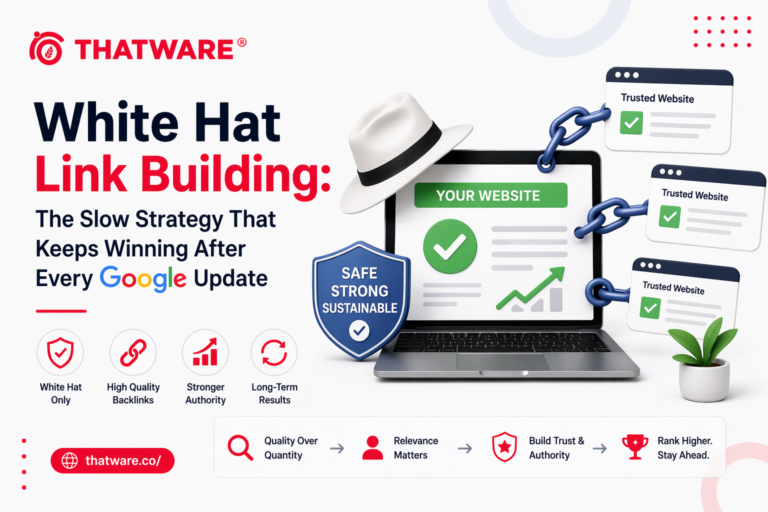
White Hat Link Building: The Slow Strategy That Keeps Winning After Every Google Update

Every time Google rolls out a significant algorithm update, there’s a predictable wave of panic in SEO forums. Rankings shuffle. Some sites drop hard. Others barely notice. And if you look at the patterns long enough, a pretty consistent picture emerges: the sites that tank are usually the ones that were leaning on manipulative link profiles, and the sites that hold or improve are almost always the ones that had been building links the boring, legitimate way.

This isn’t a coincidence. It’s Google’s system working roughly as intended.

The irony is that white hat link building has a reputation for being slow and unsexy. And it is slower than buying links in bulk or running an aggressive private blog network. But it’s the only approach that actually compounds over time without accumulating existential risk. Every other strategy is eventually a liability.

Why Links Still Matter So Much

Before getting into the how, it’s worth understanding the why, because this sometimes gets lost in conversations about newer ranking factors.

Links are essentially votes of confidence from one website to another. When a credible, relevant site links to your content, it’s telling Google that your resource was useful or authoritative enough to be worth pointing readers toward. The more of these votes you accumulate from trustworthy sources, the stronger your site’s authority becomes in the eyes of search engines.

This has been true for over two decades, and while the sophistication of how Google evaluates links has grown enormously, the fundamental signal hasn’t been replaced. Content quality, topical authority, and user experience signals have all grown in importance, but a strong link profile from genuinely relevant sources remains one of the most powerful ranking inputs a site can have.

The question is how you build that profile in a way that doesn’t eventually blow up in your face.

What White Hat Actually Means in Practice

The phrase gets used loosely sometimes, so it’s worth being specific. White hat link building means earning links through methods that Google would consider legitimate if they knew exactly what you were doing. Which, increasingly, they do.

This includes things like creating genuinely useful resources that people in your industry want to share and reference. It includes digital PR, getting your brand and expertise covered in publications your audience reads. It includes broken link building, finding dead resources and offering your content as a replacement. It includes strategic outreach to relevant sites where a partnership or mention makes genuine editorial sense.

What it doesn’t include: paying sites for links without disclosure, link exchanges that exist only for SEO purposes, publishing content on networks of sites designed to pass link equity artificially, or anything else that only makes sense if you’re trying to game a ranking system rather than provide value.

A solid white hat link building program is built on the premise that the links you earn should be ones that would exist even if they had zero SEO value, because they genuinely point readers toward something useful.

The Compounding Nature of Authority

Here’s the thing about link building that the short-term thinkers miss. Authority compounds. A site that has been steadily earning high-quality links for three years has a genuinely different starting point than a site that just launched, and that gap is hard to close quickly.

This is actually good news for businesses that are thinking long-term. The work you put into link building today doesn’t just help you rank for your current target keywords. It raises the baseline authority of your entire domain, which makes every new page you publish start from a stronger position. It also makes you more resilient to algorithm updates, because your rankings are based on a broad, legitimate link profile rather than a few manipulative tactics that Google is constantly working to devalue.

The flip side is that shortcuts have consequences that compound too. A site that builds its rankings on purchased links or manipulative schemes might look fine for months or even years. But the risk keeps accumulating, and when the correction comes, it tends to be severe and hard to recover from.

What Good Link Building Actually Looks Like

For most businesses, a realistic link building strategy involves a few different tracks running in parallel.

Content worth linking to is the foundation. If your site doesn’t have resources, data, tools, or perspectives that someone would genuinely want to reference, outreach will be an uphill battle regardless of how good your pitches are. Investing in content that has real informational depth or offers something unique creates the asset that the rest of the strategy promotes.

Digital PR and media relationships are often underutilized. Getting mentioned as an expert source in industry coverage, contributing original research or data that journalists find useful, positioning your leadership as thought leaders in specific topic areas, these activities build links and brand simultaneously.

Strategic outreach, done properly, still works. The key word is strategically. Spray-and-pray email campaigns to irrelevant sites produce almost nothing. Personalized, contextually relevant outreach to sites where a link genuinely adds value to their readers produces a different result.

Choosing the right link building services partner means finding someone who understands all of these tracks and knows which combination makes sense for your specific industry and competitive situation.

The Updates Will Keep Coming

Google has been running large-scale link spam updates for years now, and the trajectory is clear. The algorithms are getting better at identifying patterns that indicate manipulation, and the penalties for getting caught have become more severe and harder to recover from.

The businesses that are least worried about this are the ones that were never gambling in the first place. They built their link profiles on real relationships, real content, and real editorial value. When the updates hit, they often don’t notice, or they actually improve as their manipulative competitors lose ground.

That’s the quiet, unsexy, deeply practical argument for white hat link building. It’s not just the ethical choice. It’s the one that still works after every update, and the one that keeps working five years from now.

The Everyday Style Guide to Short Sleeves Shirts and Half Shirts

When it comes to effortless fashion, nothing quite matches the versatility of Short Sleeves Shirts. Whether you’re heading out for a casual coffee, a weekend getaway, or even a relaxed office setting, these shirts offer a perfect blend of comfort and style. Over the years, they’ve evolved from simple basics into essential wardrobe staples that can elevate your overall look without much effort.

Why Short Sleeve Shirts Are a Must-Have

The appeal of short sleeve shirts lies in their simplicity. They’re easy to wear, breathable, and suitable for almost every season except the coldest months. In warmer climates, especially in countries like India, they become a daily essential.

Fabric plays a big role here. Cotton and linen short sleeve shirts are particularly popular because they allow air circulation and keep you cool. Modern designs now include blends that resist wrinkles and maintain structure throughout the day. So, whether you’re running errands or attending a casual meeting, you still look put together.

Styling Tips That Actually Work

One of the best things about short sleeve shirts is how adaptable they are. Pair them with denim for a relaxed vibe, chinos for a smart-casual look, or even tailored shorts for a vacation-ready outfit.

Patterns also make a difference. Solid colors are timeless and easy to match, while prints—like florals or stripes—add personality. If you’re unsure, start with neutral tones like white, navy, or beige, then experiment with bolder options once you’re comfortable.

Layering is another underrated trick. Throwing on a lightweight jacket or leaving the shirt unbuttoned over a plain tee can instantly upgrade your outfit without making it feel heavy.

The Rise of Half Shirts in Modern Fashion

Recently, Half Shirts have made a strong comeback, especially among younger audiences. These shirts, often slightly cropped or more fitted, bring a fresh and trendy edge to traditional short sleeve styles.

They’re particularly popular in streetwear fashion, where individuality matters more than following strict rules. You’ll often see them paired with high-waisted trousers, joggers, or even layered over longer innerwear for a bold, fashion-forward statement.

While half shirts may not suit every occasion, they’re perfect for casual outings, parties, or social events where you want to stand out without trying too hard.

Choosing the Right Fit

Fit is everything. A well-fitted shirt can make even a simple design look premium. Avoid shirts that are too tight or overly loose. The ideal fit should sit comfortably on your shoulders, with sleeves ending around mid-bicep.

Length matters too. A shirt that’s too long can look sloppy, while one that’s too short might feel awkward unless it’s intentionally styled like a half shirt. Pay attention to these small details—they make a big difference.

Seasonal Trends and Colors

Fashion trends change, but some colors always stay relevant. Light shades like pastel blue, mint green, and soft pink dominate summer collections. Meanwhile, earthy tones such as olive, rust, and brown are great for a more mature, grounded look.

Printed shirts also cycle in and out of trends, but classics like checks and subtle florals rarely go out of style. The key is to choose something that reflects your personality rather than blindly following trends.

Final Thoughts

Short sleeve and half shirts aren’t just about beating the heat—they’re about expressing your style in a relaxed, effortless way. With the right fit, fabric, and styling, they can easily become one of the most versatile pieces in your wardrobe.

Instead of overthinking your outfit every day, invest in a few good-quality options. Mix and match them with different bottoms, experiment with layering, and you’ll find yourself looking stylish without even trying too hard.