Water is one of those things we rarely think about until it gives us a reason to. It’s there every morning when we brush our teeth, every evening when we cook dinner, and somewhere in between while the dishwasher hums quietly in the background. It feels ordinary because it’s always available. But if you pause for a moment, you’ll realize that water touches almost every part of daily life.
When something changes—a strange taste, cloudy glassware, dry skin after a shower, or stubborn mineral spots—it suddenly becomes impossible to ignore. These little inconveniences often reveal that your home’s water could be working a lot better than it is.
The good news? Most water concerns are manageable once you understand what’s causing them. And that understanding usually leads to smarter choices rather than expensive guesses.
Every Home Has Its Own Water Story
It’s easy to assume everyone in a neighborhood receives identical water, but reality is a little more complicated.
Municipal treatment plants deliver water that meets established standards, yet the journey from treatment facility to your kitchen faucet can vary significantly. Older plumbing, local infrastructure, naturally occurring minerals, and even seasonal conditions all influence the final result.
Homes supplied by private wells experience even greater variation. Heavy rainfall, nearby agriculture, underground rock formations, and groundwater movement can all change water characteristics over time.
That’s why water should never be treated as a one-size-fits-all situation.
The Small Problems That Slowly Add Up
Some water issues are obvious.
You notice unpleasant odors or visible staining almost immediately.
Others work quietly in the background.
Mineral deposits slowly collect inside pipes. Water heaters become less efficient. Faucets require more frequent cleaning. Soap doesn’t rinse away as easily, and appliances gradually lose performance because of scale buildup.
None of these problems appear overnight, which makes them surprisingly easy to ignore. Yet over several years, they can contribute to unnecessary maintenance costs and reduced appliance lifespan.
Sometimes the most expensive water problem is simply the one nobody notices.
Choosing the Right Purification Method
Many homeowners begin researching water treatment after noticing taste or odor changes. That’s when they discover dozens of different products, each claiming to be the perfect answer.
The truth is that different technologies solve different problems.
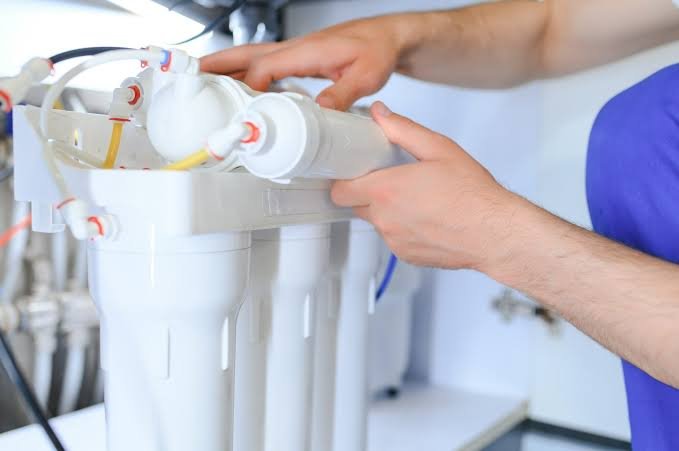
For households focused on producing exceptionally clean drinking water, reverse osmosis systems remain one of the most effective options available. By using a specialized membrane to remove a wide range of dissolved impurities, these systems produce water with improved taste and clarity that many families appreciate for cooking, coffee, tea, and everyday hydration.
Rather than relying on assumptions, selecting the right treatment begins with understanding your specific water conditions.
Looking Beyond the Kitchen Faucet
When people think about water treatment, they often picture a filter tucked beneath the kitchen sink.
While that certainly improves drinking water, it doesn’t address the water used everywhere else throughout the house.
Every shower, load of laundry, dishwasher cycle, and bathroom sink relies on the same incoming water supply. Minerals, sediment, and chlorine don’t limit themselves to just one faucet.
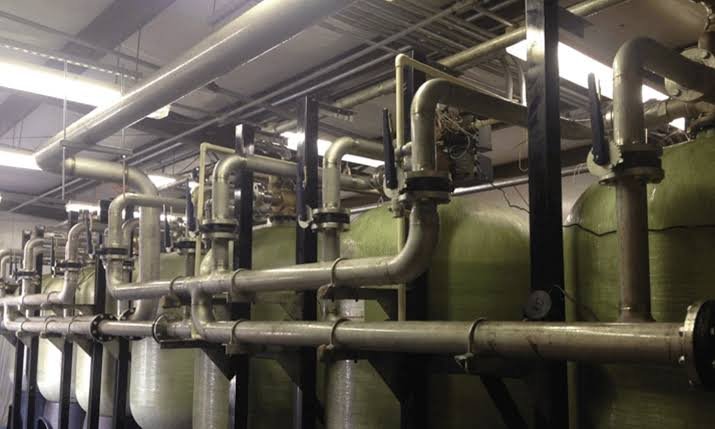
That’s why many homeowners explore whole home filtration systems. Instead of treating water at a single point of use, these systems help improve water quality before it travels through the home’s plumbing, providing more consistent performance across every room.
The result isn’t just cleaner water. It’s often softer laundry, cleaner fixtures, improved appliance efficiency, and a more enjoyable overall living experience.
Better Water Changes Everyday Habits
One interesting thing happens after water quality improves.
People stop thinking about it.
Coffee develops a smoother flavor. Ice cubes become clearer. Fresh vegetables rinse more cleanly. Soap lathers more easily, and showers leave skin feeling noticeably less dry.
Glassware comes out of the dishwasher without stubborn white spots, and bathroom fixtures require less scrubbing to stay clean.
These improvements aren’t dramatic enough to make headlines, but they quietly improve dozens of ordinary moments every single day.
It’s the kind of comfort that’s easy to appreciate once you’ve experienced it.
Why Drinking Water Matters Most
Although every faucet benefits from cleaner water, the water we actually consume deserves special attention.
Hydration influences nearly every aspect of daily wellness. Whether it’s filling reusable bottles before work, making soup for dinner, or brewing morning coffee, the quality of that water matters more than many people realize.
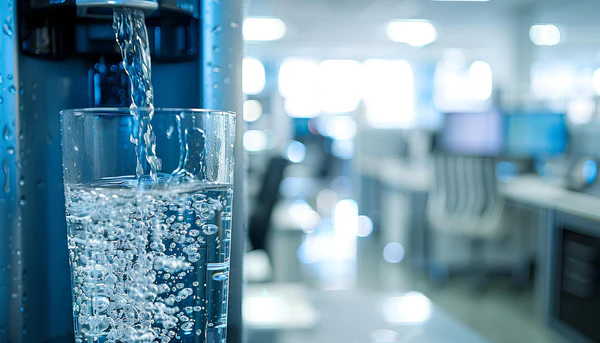
Having access to healthy drinking water encourages better hydration while reducing dependence on bottled water. For many households, that’s both a financial advantage and a meaningful way to reduce plastic waste over time.
Clean, refreshing water also tends to make healthy habits feel a little easier. People naturally drink more when water tastes fresh.
Maintenance Is Part of the Process
Installing a treatment system isn’t really the finish line.
Filters require replacement. Equipment benefits from routine inspections, and water conditions can change gradually over time because of seasonal shifts or updates to municipal infrastructure.
Fortunately, today’s systems are designed with simplicity in mind. Many include maintenance reminders or easy-to-change cartridges that homeowners can replace without specialized tools.
A little ongoing care helps ensure the system continues performing efficiently for many years.
Good Water Supports a Better Home
Home improvement usually brings images of new kitchens, fresh paint, or updated flooring.
Yet one of the most valuable upgrades often happens behind the scenes.
Improving water quality supports plumbing, protects appliances, enhances cooking, simplifies cleaning, and makes everyday routines noticeably more enjoyable. It isn’t always the most visible investment, but it’s one families interact with dozens of times each day.
The key isn’t buying the biggest or most expensive system available. It’s understanding your home’s unique water and choosing solutions that genuinely fit your needs.
Because once your water is working the way it should, everything else—from your morning shower to your evening cup of tea—simply feels a little better. And sometimes, it’s those quiet improvements that make the biggest difference over the long run.

Admin
A contributor to Blognary’s independent wall of business, technology, finance and marketing perspectives.
VIEW ALL ARTICLES