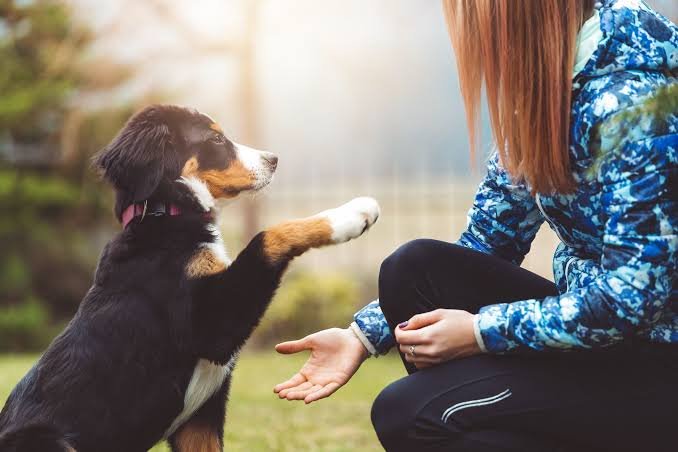
Puppies are naturally curious, energetic, and eager to interact with the world around them. That curiosity can also lead to jumping, nipping, barking, pulling, stealing objects, or ignoring boundaries. Teaching puppy manners early helps turn those natural behaviors into appropriate habits that can carry into adulthood.
Good manners are not about expecting a puppy to behave perfectly. They are about providing clear guidance, rewarding desirable choices, and giving the puppy enough repetition to understand what works. With guidance from Rob’s Dog Training, owners can build practical habits that help puppies respond appropriately in everyday situations.
Why Puppy Manners Matter From the Start
Puppies learn through everyday experiences. The way people respond when a puppy jumps, grabs a shoe, pulls toward another dog, or demands attention can influence whether those behaviors become routine.
For example, if jumping results consistently in petting or excitement from people, a puppy may learn that jumping is an effective way to get attention. If calm behavior earns attention instead, the puppy has a reason to repeat that behavior.
Early training also helps establish communication between the puppy and owner. Instead of constantly correcting unwanted actions, owners can teach puppies what they should do instead.
That distinction is important. A puppy needs more than a list of behaviors it should avoid. It needs practical alternatives.
10 Puppy Manners Worth Teaching
Puppy training does not need to involve long sessions. Short, consistent practice throughout the day can make everyday situations into valuable learning opportunities.
1. Greeting People Without Jumping
Jumping is one of the most common puppy behaviors that owners want to change. Puppies often jump because they are excited and want immediate interaction.
Rather than pushing a puppy away or giving attention while it jumps, wait for four paws to remain on the floor. Calmly reward the puppy when it settles.
Everyone in the household should follow the same rule. Visitors should also avoid accidentally rewarding jumping with attention.
Over time, the puppy can learn that calm greetings are more successful than launching toward someone’s legs.
2. Learning to Control Puppy Biting
Mouthing is normal during puppy development, but puppies still need to learn appropriate boundaries.
When a puppy repeatedly bites hands or clothing during play, redirect the interaction toward an appropriate toy. Avoid turning hands into exciting play objects, particularly when the puppy is already highly stimulated.
The goal is not simply to stop every instance of mouthing. It is to teach the puppy where that behavior belongs and when human interaction should remain gentle.
3. Responding to Its Name
A puppy’s name should become a useful communication tool rather than a word it hears only when something unpleasant happens.
Say the puppy’s name in a positive, distraction-free environment. When it looks toward you, provide praise, affection, or another suitable reward.
As the puppy becomes consistent, gradually practice around mild distractions. This builds attention and helps prepare the puppy for more advanced obedience training.
4. Sitting Before Getting What It Wants
A simple sit can become a foundation for everyday manners.
Ask for a sit before providing meals, opening doors, attaching a leash, or giving access to something exciting. The puppy begins learning that calm behavior can precede desirable outcomes.
This is also an introduction to impulse control. Instead of immediately reacting to excitement, the puppy practices pausing and responding to direction.
5. Walking Politely on a Leash
Leash manners should be taught before pulling becomes a deeply practiced habit.
Start somewhere with limited distractions. Reward the puppy for staying close, checking in with the handler, and moving with a loose leash.
As the puppy improves, introduce more interesting environments gradually. A busy sidewalk or dog-filled park can be much harder than a quiet room or backyard.
Good leash training is not about making a puppy ignore everything. It is about teaching the puppy how to remain responsive while interesting things are happening nearby.
6. Leaving Household Objects Alone
Puppies investigate with their mouths. Shoes, socks, furniture, paper, and other household objects can quickly become tempting targets.
Management is an important part of puppy behavior training. Keep particularly tempting objects out of reach and provide appropriate chew toys instead.
When a puppy picks up something it should not have, calmly redirect it rather than turning the situation into an exciting chase.
The puppy should gradually learn that some objects are available for interaction and others are not.
7. Waiting at Doors
Doors create excitement because they often lead to something interesting. A puppy that rushes through them can develop unsafe habits.
Practice asking the puppy to pause before a door opens. Reward calm waiting, then release the puppy when appropriate.
This small exercise teaches patience while also creating a useful safety behavior. The same principle can eventually be applied to gates, vehicles, crates, and other transitions.
8. Settling Down Around People
A well-mannered puppy needs to learn how to relax, not just how to perform commands.
Provide opportunities for the puppy to settle near you without demanding constant interaction. Reward calm behavior when the puppy chooses to lie down, remain quiet, or relax independently.
This can be particularly useful when guests arrive or when the household becomes busy.
Teaching calmness early can help puppies become more adaptable to normal household activity.
9. Practicing Appropriate Social Behavior
Socialization is more than allowing a puppy to meet as many people and dogs as possible.
A puppy benefits from controlled exposure to different sights, sounds, surfaces, environments, people, and appropriate canine interactions. The experience should remain manageable rather than becoming overwhelming.
Watch the puppy’s body language and adjust the level of stimulation when necessary. The goal is to help the puppy develop confidence and learn how to respond appropriately to new experiences.
10. Coming When Called
Recall is one of the most valuable behaviors a puppy can learn.
Begin in a safe, low-distraction environment. Call the puppy enthusiastically, reward the response, and make returning to you worthwhile.
Avoid repeatedly calling the puppy for things it dislikes, particularly during the early stages of recall training. If coming when called consistently means the end of play or another unpleasant event, the puppy may become less motivated to respond.
Gradually increase distance and distractions as reliability improves.
Consistency Makes Puppy Training More Effective
One of the biggest challenges in puppy training is inconsistency between people.
If one person allows jumping while another discourages it, the puppy receives mixed information. The same problem can occur with furniture, feeding routines, leash behavior, or access to household spaces.
Create simple household rules that everyone can follow.
For example:
- Four paws stay on the floor when greeting people.
- Calm behavior earns attention.
- Appropriate toys are available for chewing.
- The puppy waits for permission before rushing through doors.
- Everyone uses the same verbal cues.
- Desired behaviors receive timely reinforcement.
Consistency makes expectations easier for a puppy to understand.
Keep Training Short and Practical
Puppies have limited attention spans, so training does not always need to look like a formal class.
Use everyday opportunities to practice. Ask for a sit before dinner. Practice name recognition while moving around the house. Reward calm behavior while watching television. Work on leash skills during short walks.
These small repetitions can add up.
Training should also progress at an appropriate pace. If a puppy performs a behavior reliably in a quiet room but struggles around other dogs, that does not necessarily mean the puppy has forgotten its training. The environment has become more difficult.
Reduce the distraction level, reinforce successful responses, and build difficulty gradually.
When Professional Puppy Training Can Help
Some owners benefit from professional guidance when they are unsure how to address persistent behaviors or want a structured training plan.
Professional support can be particularly useful when puppy behavior involves excessive jumping, persistent nipping, leash pulling, poor recall, difficulty settling, or challenges around distractions.
A qualified trainer can assess the dog’s behavior, identify patterns that may be maintaining it, and help the owner practice appropriate responses consistently.
Rob’s Dogs provides both Board & Train and Private Lessons, with training designed around a dog’s individual needs and goals. Its website also provides resources covering areas such as house training, socialization, and leash training.
Build Better Puppy Manners One Habit at a Time
Good puppy manners develop through repetition, consistency, clear communication, and appropriate reinforcement. Owners do not need to teach everything in one week or expect flawless behavior immediately. With guidance from Rob’s Dog Training, owners can focus on practical habits that support better behavior at home and in everyday situations.
Focus on the situations that matter most in daily life. Teach the puppy what behavior earns attention, access, play, and other rewards. Then practice those skills in gradually more challenging environments.
The most useful goal is not simply having a puppy that knows commands. It is raising a dog that can respond appropriately around people, animals, distractions, and everyday situations.
When owners treat manners as practical life skills rather than isolated tricks, puppy training becomes more meaningful. Small habits taught today can become the foundation for a calmer, safer, and more enjoyable relationship with a dog for years to come.

Admin
A contributor to Blognary’s independent wall of business, technology, finance and marketing perspectives.
VIEW ALL ARTICLES