Hot water is one of those comforts we rarely think about until it suddenly disappears. You wake up expecting a warm shower, turn on the faucet, and… nothing but cold water. It’s amazing how quickly we realize just how much we depend on a reliable water heating system.
Whether you’re washing dishes after dinner, doing laundry on a weekend, or helping the kids get ready for school, hot water quietly supports dozens of daily routines. Yet many homeowners don’t give their system much attention until repairs become unavoidable.
The truth is, choosing the right water heater isn’t only about producing hot water. It’s about comfort, energy savings, reliability, and finding a system that matches the way your household actually lives.
Why Your Water Heater Matters More Than You Think
Every home uses hot water differently.
A retired couple may only need enough hot water for two showers and a few loads of laundry each week. A family with teenagers, on the other hand, might have multiple showers running back-to-back every morning while the dishwasher and washing machine compete for hot water at the same time.
That’s why selecting the right water heaters starts with understanding daily demand rather than simply choosing the biggest unit available.
Oversized systems often waste energy, while undersized models leave everyone waiting for the tank to recover.
Finding the right balance makes everyday life much more comfortable.
Understanding Your Options
Homeowners today have more choices than ever before.
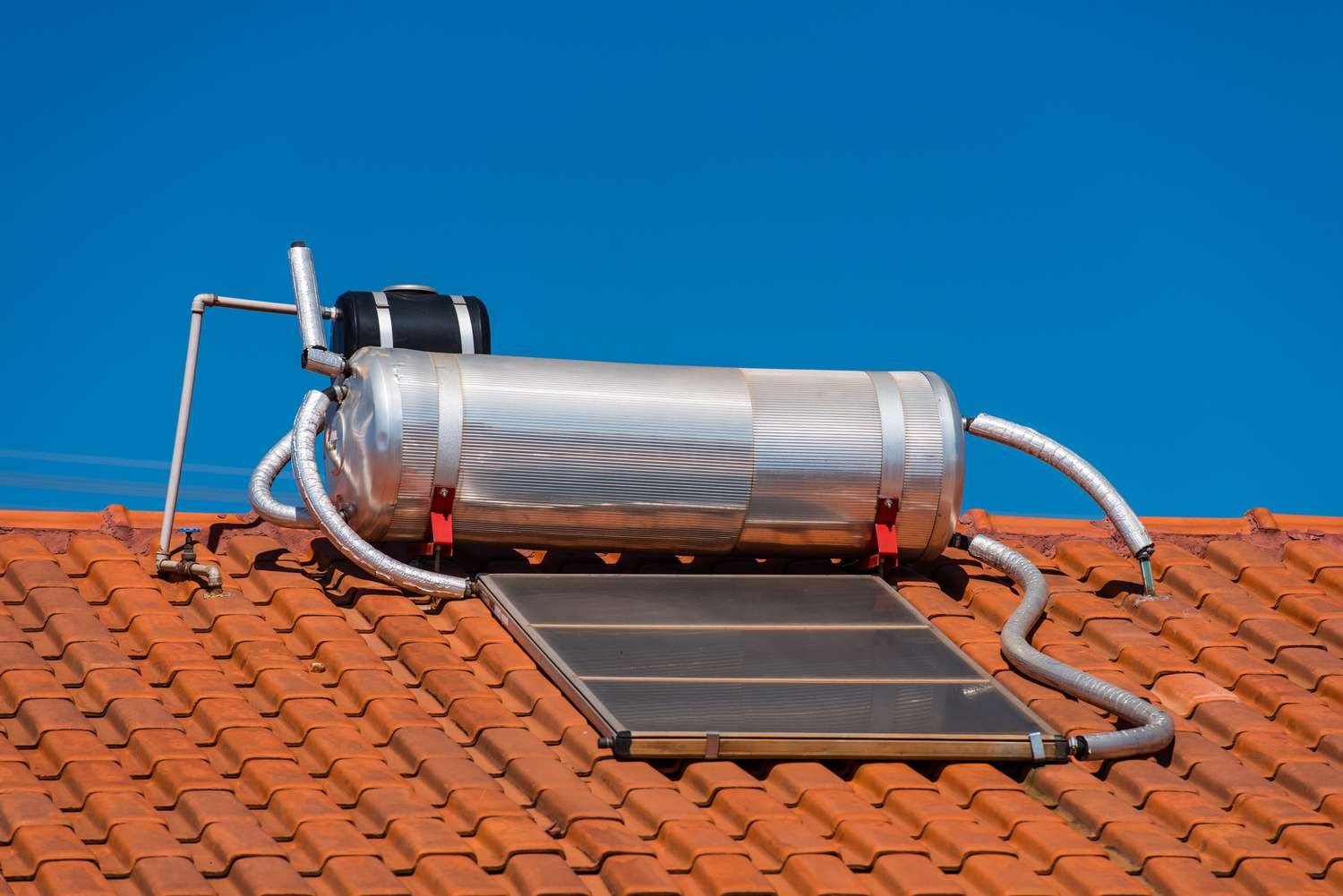
Traditional storage tank models remain popular because they’re dependable and relatively affordable. Tankless systems heat water only when it’s needed, helping reduce standby energy loss. Heat pump units use surrounding air to improve efficiency, while hybrid models combine different technologies for greater flexibility.
Each option has advantages depending on your household size, budget, climate, and water usage patterns.
The “best” system isn’t necessarily the newest technology—it’s the one that fits your home’s specific needs.
Modern Water Heating Has Come a Long Way
Today’s water heater systems include features that weren’t common even a decade ago.
Many models now offer digital controls, leak detection, programmable operating schedules, vacation settings, and improved insulation that helps retain heat for longer periods.
Some smart systems can even notify homeowners through mobile apps if a problem develops, allowing small issues to be addressed before they become expensive repairs.
These improvements don’t just add convenience—they also improve long-term reliability and reduce unnecessary energy consumption.
Technology has quietly made hot water much smarter.
Energy Efficiency Saves More Than Electricity
Utility bills continue to rise, making efficiency an important consideration for nearly every homeowner.
Modern efficient water heaters are designed to deliver reliable performance while using less energy than older models. Improved insulation, smarter heating controls, and advanced burner or compressor technologies help reduce operating costs without sacrificing comfort.
While energy savings vary depending on household usage, many homeowners notice lower monthly utility bills after replacing aging equipment.
Over several years, those savings can offset a meaningful portion of the system’s purchase price.
Sometimes investing a little more upfront pays dividends for years to come.
The Right Size Makes a Big Difference
One of the most common installation mistakes has nothing to do with product quality.
It’s choosing the wrong size.
A system that’s too small struggles to meet household demand, resulting in cold showers and constant reheating. One that’s too large may consume more energy than necessary, especially in smaller households.
Professional installers evaluate family size, bathroom count, appliance usage, and peak demand before recommending capacity.
That personalized approach usually delivers better long-term performance than relying on simple online estimates.
Water Quality Also Plays a Role
Many homeowners don’t realize their local water quality directly affects the lifespan of a water heater.
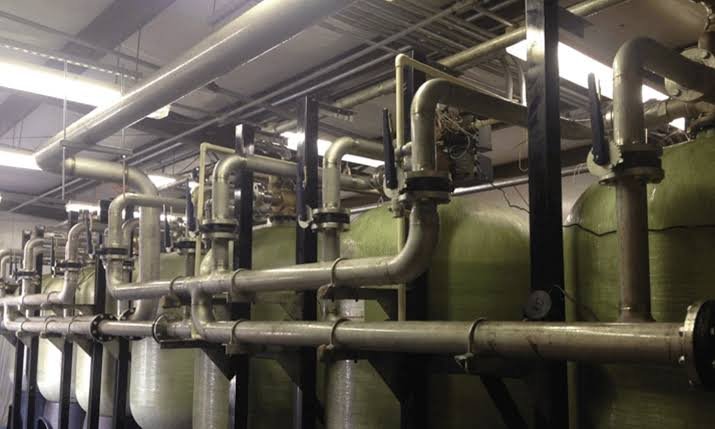
Hard water contains minerals like calcium and magnesium that gradually accumulate inside tanks and heating elements. Over time, this scale buildup reduces heating efficiency while increasing wear on internal components.
Homes with untreated hard water often experience shorter equipment lifespans and higher maintenance costs.
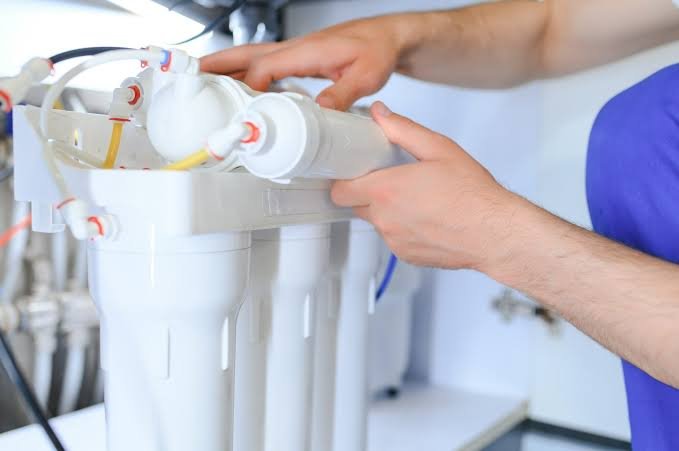
Installing a water softener where appropriate can significantly reduce mineral buildup, helping the water heater operate more efficiently over the years.
It’s one of those preventative investments that quietly protects another major appliance.
Maintenance Keeps Everything Running Smoothly
Like most household equipment, water heaters perform best with routine maintenance.
Periodic tank flushing helps remove accumulated sediment. Inspecting the anode rod protects against corrosion, while checking pressure relief valves and connections helps identify small problems before they become larger ones.
Many homeowners skip maintenance because the system seems to be working fine.
Ironically, that’s exactly when maintenance is most valuable.
Regular servicing extends equipment life, improves efficiency, and reduces the likelihood of unexpected breakdowns.
Looking Beyond the Purchase Price
It’s tempting to compare water heaters based only on their initial price tag.
However, the real cost of ownership includes installation, maintenance, energy usage, repair frequency, and expected lifespan.
A slightly more expensive system with better efficiency may ultimately cost less over ten or fifteen years than a cheaper model with higher operating expenses.
Thinking long-term usually leads to smarter purchasing decisions.
After all, most homeowners expect a quality water heater to provide dependable service for many years.
Everyday Comfort Is Worth Investing In
Reliable hot water isn’t something most people celebrate—but they certainly notice when it’s missing.
A dependable water heating system supports morning routines, simplifies household chores, improves comfort during colder months, and keeps busy families moving without interruption.
Whether you’re building a new home, replacing an aging unit, or simply researching future options, taking the time to choose the right system is well worth the effort.
A Reliable Water Heater Is an Investment in Daily Life
Hot water quietly supports countless moments throughout the day, from the first shower in the morning to washing dishes after dinner. Because it’s such an essential part of modern living, selecting the right water heater deserves careful consideration rather than a rushed decision after an unexpected breakdown.
By choosing equipment that’s properly sized, energy efficient, and matched to your household’s needs, you’ll enjoy dependable performance, lower operating costs, and greater peace of mind for years to come.
Sometimes the best home improvements aren’t the ones everyone notices immediately—they’re the ones that simply work, day after day, making everyday life a little more comfortable without asking for attention.

Admin
A contributor to Blognary’s independent wall of business, technology, finance and marketing perspectives.
VIEW ALL ARTICLES