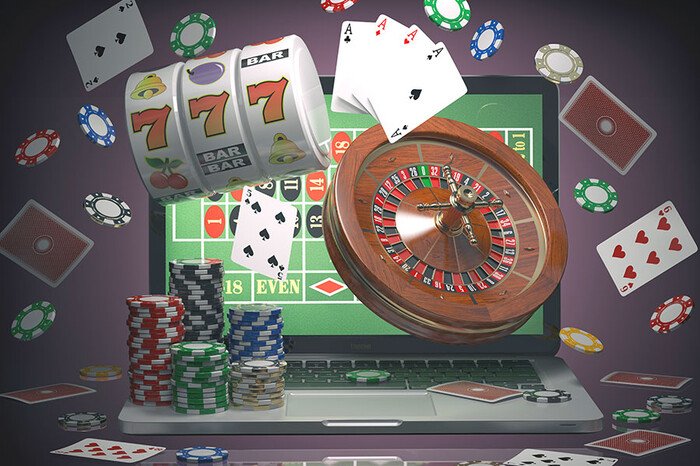
There was a time when gaming was seen as a distraction. Something you did after work, after studies, after “real life” was handled. Fast forward to now, and that line has blurred in a way nobody quite expected.
People aren’t just playing games anymore — some are trying to earn from them. Not as professional streamers or esports players, but through something much more casual, almost everyday. That’s where play-to-earn comes in.
And naturally, the question follows.
What Play-to-Earn Actually Means
At its core, play-to-earn (often shortened to P2E) is simple. You play a game, complete tasks, win rewards — and those rewards have real-world value. Sometimes it’s cryptocurrency, sometimes digital assets like skins or characters that can be sold.
It sounds exciting, almost too good to be true.
And honestly, depending on how you approach it… it sometimes is.
The Hype vs Reality Gap
A few years ago, the hype around these games was intense. Stories of players earning significant income, especially in developing countries, spread quickly. It created an impression that gaming could become a reliable side income — or even a full-time job.
But hype has a way of skipping over details.
Markets fluctuate. Game economies change. Rewards that once had high value can drop overnight. And suddenly, what looked like easy money turns into inconsistent returns.
That’s where the conversation around Play-to-Earn Games: Can You Really Make Money in 2026? becomes more grounded. Because now, people are asking better questions — not just “how much can I earn?” but “how stable is it?”
Time vs Earnings: The Real Trade-Off
Here’s something many beginners underestimate.
Play-to-earn isn’t passive income. It takes time — sometimes a lot of it. Grinding levels, completing daily missions, staying active in the game economy… it can start to feel more like a job than entertainment.
And when you calculate earnings per hour, the numbers aren’t always impressive.
Some players do make decent money, but they usually invest more time, understand the game deeply, and often get in early before competition increases.
For casual players, it’s usually a smaller side earning — not a primary income stream.
The Role of Initial Investment
Another aspect that doesn’t get enough attention is the entry cost.
Many play-to-earn games require an initial investment. Buying characters, tokens, or access passes. It’s not always huge, but it’s there.
And like any investment, there’s risk.
If the game loses popularity or the reward system changes, recovering that investment can become difficult. It’s a bit like buying into a trend — timing matters more than people think.
Skill Still Matters (More Than You’d Expect)
Not all play-to-earn games are purely about time.
Some reward skill — strategy, quick decision-making, understanding mechanics. In these cases, experienced players tend to earn more consistently.
But even then, it’s not guaranteed.
Competition grows quickly, and as more players join, the reward pool gets distributed across a larger base. That naturally reduces individual earnings over time.
So… Is It Still Worth Trying?
The honest answer? It depends on expectations.
If you’re going in thinking you’ll make a steady, predictable income — you might be disappointed. But if you treat it as a side activity, something that blends entertainment with small earnings, it can feel worthwhile.
That’s why discussions around Play-to-Earn Games: Can You Really Make Money in 2026? often land somewhere in the middle. It’s not a scam, but it’s not a shortcut either.
It’s an opportunity — with conditions.
A Changing Landscape
What’s interesting is how the industry itself is evolving.
Developers are becoming more cautious about reward systems. Instead of promising high payouts, many are focusing on sustainability — making sure the game economy lasts longer, even if earnings are lower.
This shift might actually be a good thing.
Less hype, more stability.
But it also means the “easy money” phase is mostly behind us.
The Psychological Side of Earning While Playing
There’s another layer to this — one people don’t always talk about.
When money gets involved, the way you play changes. What was once relaxing can start feeling transactional. You’re no longer just enjoying the game; you’re calculating time, effort, and returns.
For some, that’s motivating. For others, it takes the fun out of it.
And that balance is personal. There’s no right answer.
Final Thoughts
Play-to-earn games sit in an interesting space — somewhere between gaming, investing, and gig work. They offer possibilities, but not guarantees.
In 2026, they’re no longer a novelty. They’re a known concept, with both success stories and cautionary tales.
So if you’re curious, explore them. Try one out. Learn how it works.
Just go in with clear eyes.
Because at the end of the day, the real value might not just be in what you earn — but in understanding where your time is actually going.

Admin
A contributor to Blognary’s independent wall of business, technology, finance and marketing perspectives.
VIEW ALL ARTICLES