Hard water has a way of becoming part of the furniture. You don’t notice it at first. Then one day you’re scrubbing a cloudy shower door, staring at spots on your glasses, or wondering why the faucet seems to develop a crusty ring almost overnight.
If you’ve experienced that, you’re not alone. Hard water is common in many areas, and while it may not seem like a major household emergency, the day-to-day inconvenience can get old quickly.
A water softener can help, but choosing one isn’t as simple as buying the biggest unit with the highest price tag. The best system is the one that matches your home’s water conditions, household size, water usage and budget.
Fortunately, with a little planning, finding a practical solution doesn’t have to be difficult.
What Exactly Is Hard Water?
Hard water contains higher levels of naturally occurring minerals, particularly calcium and magnesium. These minerals can create scale and affect how water behaves around your home.
You might notice white deposits around faucets or showerheads. Soap may not lather as easily. Dishes can come out of the dishwasher with spots, and laundry may feel less soft than expected.
Hard water can also create mineral buildup inside certain water-using appliances and plumbing components.
It isn’t always dramatic. That’s actually the point. The effects tend to accumulate slowly, which makes them easy to ignore until you’re tired of cleaning the same spots over and over again.
Why the Right Softener Matters
Not every water softener is designed for every home.
A small household with modest water consumption doesn’t have the same requirements as a large family running several bathrooms, a dishwasher and multiple laundry loads every day.
The hardness level of the incoming water also matters.
That’s why Affordable, Reliable Water Softener Solutions should begin with understanding the actual water conditions rather than simply searching for the cheapest equipment.
A properly sized softener can provide effective treatment without unnecessary capacity. An undersized unit, on the other hand, may struggle during periods of heavy usage.
You want the system to fit your household—not the other way around.
Start With a Water Test
Before making a purchase, consider having your water tested.
Testing can help determine the hardness level and may reveal other characteristics that could influence your treatment choices. If your water has multiple concerns, installing a softener alone may not address everything.
This is where professional advice can be helpful.
A reputable water treatment company should be able to explain the test results in language that makes sense. You shouldn’t need a chemistry degree to understand why a particular system is being recommended.
And don’t be afraid to ask questions. What is causing the hardness? How much water does your household use? What capacity do you actually need? What will the system cost to maintain?
Simple questions often prevent expensive mistakes.
Don’t Let the Initial Price Tell the Whole Story
Everyone likes a good deal. There’s nothing wrong with that.
But the lowest purchase price isn’t necessarily the lowest long-term cost.
A water softener has ongoing expenses. Depending on the type of system, you may need salt, replacement components, servicing or periodic maintenance. Some systems are also more efficient than others when it comes to water and salt usage.
When comparing options, look beyond the initial quote.
Consider operating costs, replacement parts, warranty coverage, expected lifespan and service availability. A slightly more expensive system may turn out to be the better value if it’s efficient, durable and easy to maintain.
In other words, cheap and affordable aren’t always the same thing.
Ask for Free Estimates
Before committing to an installation, it’s smart to compare your options.
Many providers offer Free Estimates, giving homeowners a chance to understand the expected equipment and installation costs before making a decision.
When comparing estimates, don’t look only at the final number.
Check what’s included. Does the quote cover installation? Plumbing modifications? Startup and setup? Future service? Warranty support?
Two companies may quote very different prices because they’re offering different levels of service.
A detailed estimate is much more useful than a surprisingly low number with a long list of additional charges waiting around the corner.
Professional Installation Can Save Headaches
A water softener isn’t just a box you place next to the plumbing.
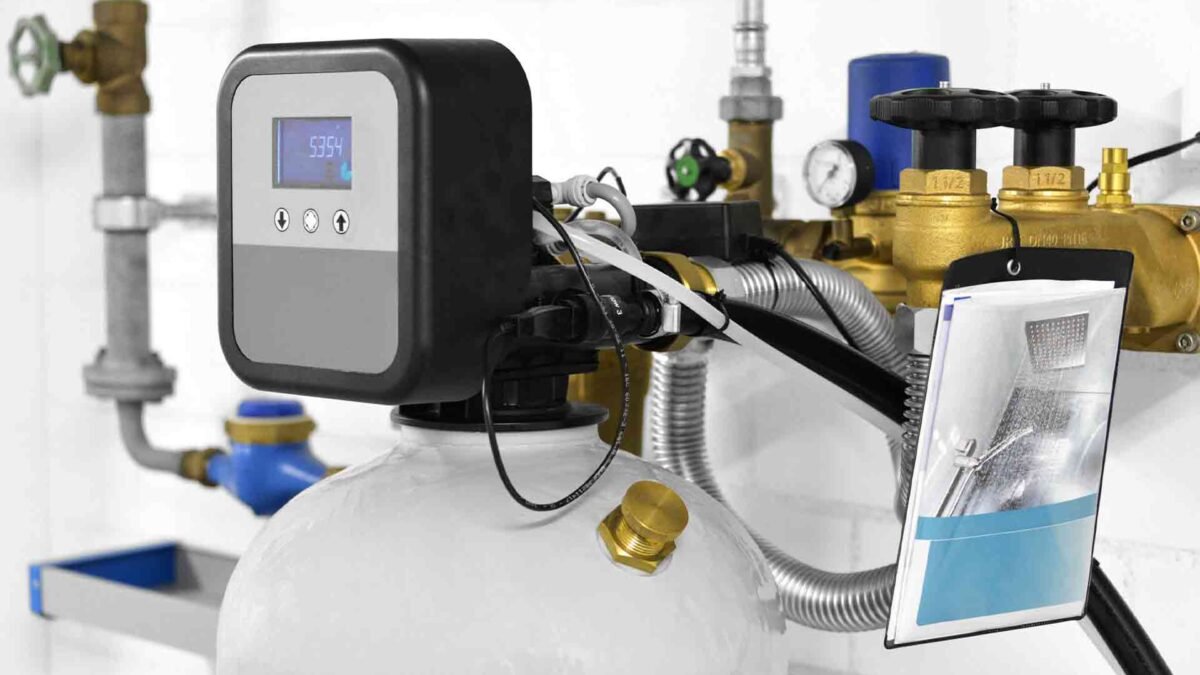
Depending on the system and property, installation may involve water lines, bypass valves, drain connections and other plumbing components. The equipment also needs to be configured correctly so that it can regenerate and operate as intended.
This is why Professional Installation is worth considering.
An experienced installer can identify plumbing limitations, position the equipment properly and explain how the system works once it’s running.
More importantly, professional installation can make future troubleshooting easier. If something doesn’t seem right, you’ll have a clearer record of how the equipment was installed and who to contact.
Trying to save a little money upfront by doing complicated plumbing work yourself can sometimes become an expensive lesson.
Efficiency Matters More Than You Might Think
Modern water softeners can differ significantly in efficiency.
Some systems use more salt and water during regeneration, while others are designed to adjust regeneration based on actual household water consumption.
If you’re planning to use a softener for many years, efficiency deserves attention.
Ask about salt usage, regeneration frequency and water consumption. A system that uses resources more efficiently may cost less to operate over its lifetime.
It’s one of those details that’s easy to overlook because you don’t see it on installation day. But your future self may appreciate having asked.
Maintenance Is Part of Ownership
Even a reliable water softener needs some care.
Salt-based systems need to be kept supplied with salt, and components may need periodic inspection. Some systems may require professional service at certain intervals.
Before purchasing, make sure you understand what’s involved.
Ask how often maintenance is recommended, what replacement parts cost and whether the company provides service plans. Knowing this beforehand makes ownership much less stressful.
A good water treatment system should simplify your routine, not create another mystery appliance in the garage.
What Should You Expect After Installation?
The changes may be subtle at first.
You might notice less scale around faucets. Soap may lather differently. Shower doors may stay cleaner. Dishes can have fewer mineral spots, and laundry may feel different.
Over time, you may also appreciate having fewer mineral deposits inside appliances and plumbing components.
The goal isn’t to create some dramatic overnight transformation. It’s to make the effects of hard water less noticeable in everyday life.
And that’s often enough.
A Smarter Way to Buy a Water Softener
Choosing a water softener doesn’t have to be overwhelming.
Start with testing. Understand your hardness level and household water usage. Compare systems based on capacity, efficiency, maintenance and long-term operating costs—not just the sticker price.
Get more than one estimate if possible, and make sure you understand exactly what’s included.
Most importantly, choose a provider that is willing to explain the process rather than simply pushing a product.
A good water softener quietly does its job in the background. You notice fewer spots, less scale and easier cleaning, while the system itself becomes just another dependable part of the house.
That’s really the sweet spot: practical equipment, sensible pricing and reliable performance without unnecessary complication.

Admin
A contributor to Blognary’s independent wall of business, technology, finance and marketing perspectives.
VIEW ALL ARTICLES