Most people judge their home’s water by the obvious things. Does it look clear? Does it smell strange? Does it taste okay in a glass? Fair questions, of course. But water quality is a little more complicated than that. The water moving through a house affects showers, laundry, dishes, appliances, plumbing fixtures, coffee, cooking, and even how your skin feels after a bath.
It is one of those parts of home life that sits quietly in the background until something becomes annoying. White spots on faucets. Dry skin after showers. Soap that refuses to lather properly. A bitter or chlorine-like taste from the tap. Scale inside kettles and water heaters. None of these things feel dramatic at first, but over time they become part of everyday frustration.
Why Home Water Deserves More Attention
Water quality can vary a lot from one area to another. Some homes deal with hard minerals. Others struggle with chlorine taste, sediment, iron staining, odors, or concerns about what may be coming through old pipes. Even municipal water that meets basic standards can still have qualities homeowners don’t love.
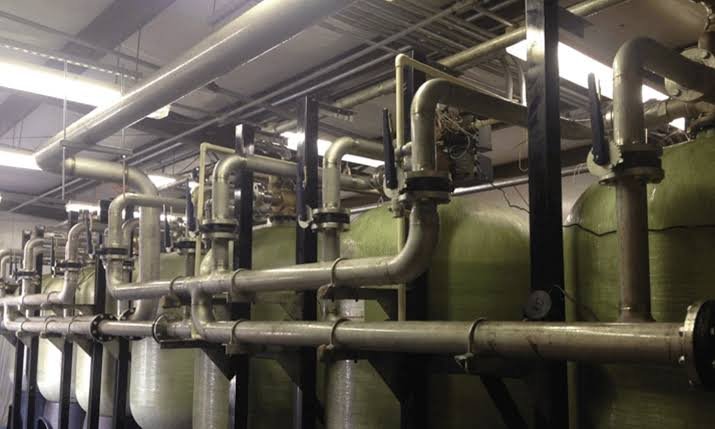
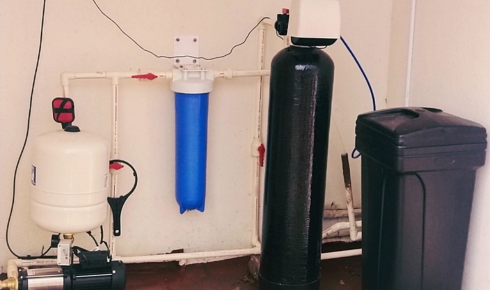
That is why many families look into whole home water treatment rather than fixing just one faucet or one appliance. A whole-home approach is designed to improve water before it spreads through the house, helping support cleaner water for bathing, washing, laundry, and general daily use. It’s not just about drinking water. It’s about the water your home uses all day.
Hard Water Is More Than a Small Irritation
Hard water is one of the most common complaints homeowners face. It often leaves chalky buildup on faucets, shower doors, sinks, and appliances. Laundry may feel stiff. Hair may feel dull. Soap and shampoo may not rinse as easily as they should. Over time, mineral buildup can also affect water heaters, dishwashers, and plumbing fixtures.
This is where water softeners can make a noticeable difference. They are designed to reduce hardness minerals that cause scale and buildup. For many households, softened water means easier cleaning, better soap performance, fewer water spots, and a smoother feel during showers. It is a practical upgrade, especially in areas where hard water is a daily problem.
Drinking Water Needs Its Own Kind of Care
The water used for showers and laundry is important, but drinking water often gets even closer attention. Taste, odor, and dissolved substances can change how enjoyable tap water feels. Some people buy bottled water for years simply because they do not like what comes out of the kitchen faucet.
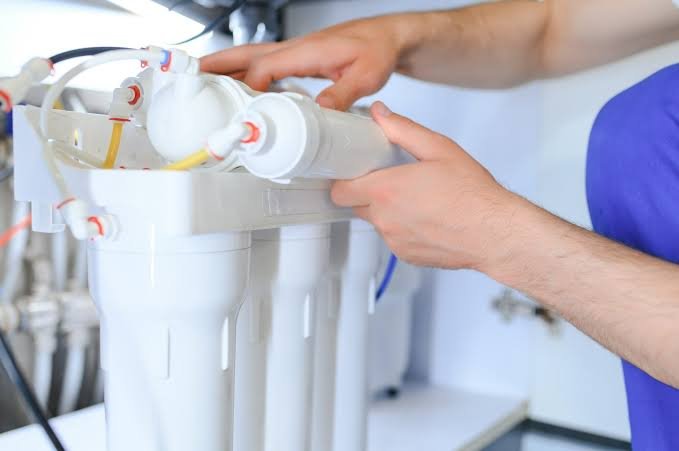
For better drinking and cooking water, reverse osmosis is often considered a strong option. This type of system is commonly used at the point of use, usually under the kitchen sink, to help reduce many dissolved impurities and improve taste. It can make water feel cleaner and more pleasant for coffee, tea, soups, ice, and everyday drinking.
One System Does Not Solve Everything
It is tempting to think there is one perfect water filter for every home, but that is rarely true. Different water issues require different solutions. Hard water needs a different approach than chlorine taste. Sediment is not the same as dissolved minerals. Iron staining is not the same as unpleasant odor. And well water can have completely different concerns compared with city water.
The smartest first step is usually testing or at least identifying what symptoms are showing up. Are there stains? Is there scale? Does the water smell like sulfur? Is the taste unpleasant? Are appliances wearing out too quickly? Once the problem is clear, choosing the right treatment becomes much easier.
Everyday Benefits You Actually Notice
Better water is not just a technical improvement. It changes small daily moments. Showers feel cleaner. Towels and clothes may come out softer. Faucets stay nicer for longer. Glassware has fewer spots. Coffee tastes less “off.” Kids may drink more water when it tastes better. Even cleaning the bathroom becomes less of a battle when mineral buildup is reduced.
There is also comfort in knowing your home’s water is being handled more thoughtfully. Not in a fear-based way, but in a practical homeowner way. Just like people maintain HVAC systems, roofs, and appliances, water treatment is part of keeping a home working well.
Maintenance Matters Too
Any water treatment system needs care. Filters must be changed. Salt levels may need checking. Tanks and cartridges need service at the right intervals. Ignoring maintenance can reduce performance and shorten system life. A good system is only as good as the attention it receives over time.
That said, proper maintenance does not have to be complicated. Most homeowners simply need a clear schedule and a reliable professional to guide them. Once it becomes routine, it feels no more difficult than changing an air filter or servicing a water heater.
A Cleaner, Easier Home Experience
Water runs through so many parts of daily life that improving it can quietly improve the whole home. It may not be the flashiest upgrade, but it is one you feel again and again — in the shower, at the sink, in the laundry room, and every time you fill a glass.
Good water treatment is not about chasing perfection. It is about making everyday water better suited to the home and the people living in it. And once the water feels cleaner, tastes better, and causes fewer problems, it becomes hard to imagine going back.

Admin
A contributor to Blognary’s independent wall of business, technology, finance and marketing perspectives.
VIEW ALL ARTICLES