Most of us don’t think too deeply about the water in our glass. We turn on the tap, fill a bottle, make coffee, rinse fruit, cook pasta, and move on with the day. Water is so ordinary that it almost disappears into the background. Until, of course, something feels off. Maybe there’s a faint chlorine smell. Maybe the ice cubes taste strange. Maybe bottled water has slowly become part of the weekly grocery bill without anyone really deciding it should.
That’s usually when homeowners start asking a simple question: is the water I’m drinking as clean and pleasant as it could be?
The answer depends on where the water comes from, how it’s treated before reaching the home, and what it may pick up along the way. Even treated municipal water can travel through older pipes. Well water can carry minerals, sediment, or other naturally occurring substances. None of this means people should panic. But it does mean that paying closer attention to drinking water is a smart, practical thing to do.
Why Tap Water Can Taste Different from Home to Home
It’s funny how water has a “taste” even though we often describe it as tasteless. Anyone who has moved to a new town knows this. One home has crisp, clean-tasting water. Another has water that smells a little like a swimming pool. Somewhere else, tea comes out looking cloudy, or coffee tastes slightly flat.
These differences usually come from dissolved minerals, disinfectants, sediment, or trace contaminants. Water treatment plants do a lot of important work, but they’re designed to meet broad safety standards, not necessarily every family’s preference for taste, smell, or clarity. That’s where home-level solutions can make a real difference.
Modern drinking water systems are built to improve the water people use most often — the water they drink, cook with, and pour into coffee makers or baby bottles. Some are simple under-sink filters. Others are more advanced units designed to reduce a wider range of unwanted substances. The right choice depends on the actual water problem, not just a guess.
The Problem with Guessing
A lot of people buy filters the same way they buy kitchen gadgets: they read a few reviews, pick something that sounds good, and hope it works. Sometimes it does. But water is a little more personal than that. A filter that helps with chlorine taste may not be the best option for dissolved solids. A basic pitcher may improve flavor but not address deeper concerns.
That’s why testing the water first is so useful. A proper water test can show whether the issue is hardness, sediment, chlorine, lead, nitrates, total dissolved solids, or something else. Once you know what you’re dealing with, you’re not just shopping blindly.
It also helps avoid overbuying. Not every home needs the most expensive system on the market. Some homes need a targeted drinking water filter. Others may benefit from whole-home treatment plus a dedicated kitchen system. Good water treatment is not about fancy equipment for the sake of it. It’s about matching the solution to the water.
Where Reverse Osmosis Fits In
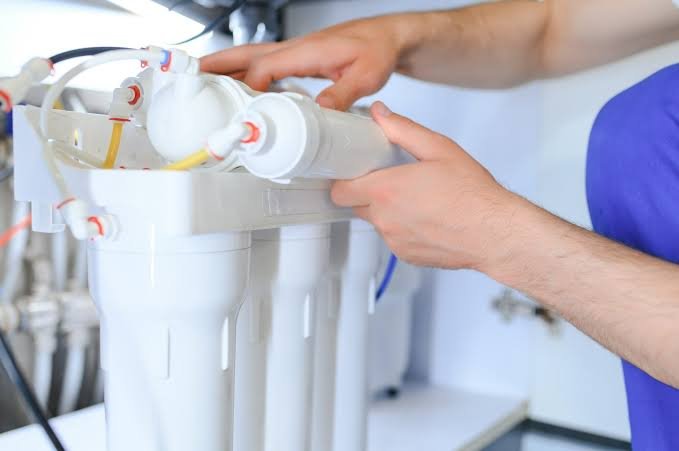
One option many homeowners hear about is reverse osmosis, often called RO. It’s a filtration process that pushes water through a special membrane, helping reduce many dissolved substances that ordinary carbon filters may not remove as effectively.
RO systems are commonly installed under the kitchen sink, with a separate faucet for drinking and cooking water. They can be especially helpful when taste, odor, and dissolved solids are a concern. Many people notice the difference in coffee, tea, soups, and even plain ice cubes. It’s one of those upgrades that doesn’t look dramatic, but daily use makes it noticeable.
There are a few practical things to consider, though. RO systems need maintenance, including filter and membrane changes. Some systems also use more water during the filtration process than basic filters. Newer units are often more efficient than older ones, but it’s still worth asking about performance, upkeep, and installation before choosing one.
Better Water Changes Small Daily Habits
Clean-tasting water has a quiet way of improving routines. People drink more water when they actually like the taste. They stop hauling plastic bottles from the store. Coffee tastes more consistent. Cooking feels a little cleaner, especially when water is a main ingredient.
Having purified drinking water at home can also bring peace of mind. Not in a dramatic, fear-based way, but in a simple “this feels better” kind of way. You know what your family is drinking. You know the system is designed for your water conditions. And you’re not relying on bottled water as the backup plan.
There’s also less waste. Fewer plastic bottles, fewer last-minute store runs, fewer half-used cases sitting in the garage. Over time, that convenience adds up.
Choosing a System That Makes Sense
Before installing any drinking water solution, it’s worth thinking about a few basics. How many people live in the home? Is the water from a city supply or a private well? Is the main complaint taste, odor, health concerns, or all of the above? Does the household want a simple filter, or something more advanced?
Professional guidance can help here, especially if the water test shows multiple issues. The best system should be easy to use, properly sized, and simple enough to maintain. A system that nobody services will eventually stop doing its job well.
A Simple Upgrade with a Big Everyday Impact
Better drinking water doesn’t have to be complicated. It starts with curiosity, a water test, and a realistic look at what your home actually needs. From there, the right system can make everyday water taste cleaner, feel more reliable, and become something you don’t have to second-guess.
And honestly, that’s the goal. Not perfection. Just water that makes your coffee better, your cooking cleaner, and your glass easier to refill without a second thought.

Admin
A contributor to Blognary’s independent wall of business, technology, finance and marketing perspectives.
VIEW ALL ARTICLES