Well water can be wonderful when it’s clean, clear, and balanced. There’s something reassuring about drawing water from your own property, especially when it tastes fresh and works well for everyday life. But anyone who has lived with untreated well water knows it can also come with a few stubborn surprises.
Orange stains in the toilet bowl. Brown marks around drains. Dark streaks on laundry. A metallic taste in coffee. Maybe even water that looks clear at first, then turns rusty after sitting in a glass for a while. These little signs are not just cosmetic annoyances. They are clues. Your water is telling you something about what it has picked up underground, inside pipes, or along the way to your tap.
Why Iron Shows Up in Well Water
Iron is one of the most common minerals found in private well water. In small amounts, it may not seem like a big deal. But once it starts staining fixtures or changing the taste of water, homeowners usually want it gone fast.
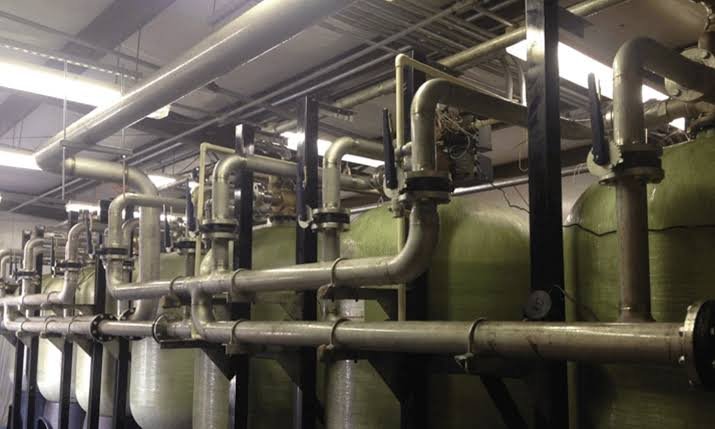
An iron filtration system is designed to reduce iron before it spreads through the home’s plumbing. The right system depends on the type of iron present. Clear-water iron is dissolved and may look invisible at first. Red-water iron appears as rusty particles. Bacterial iron can create slimy buildup and unpleasant odors. Each type behaves a little differently, which is why testing matters so much.
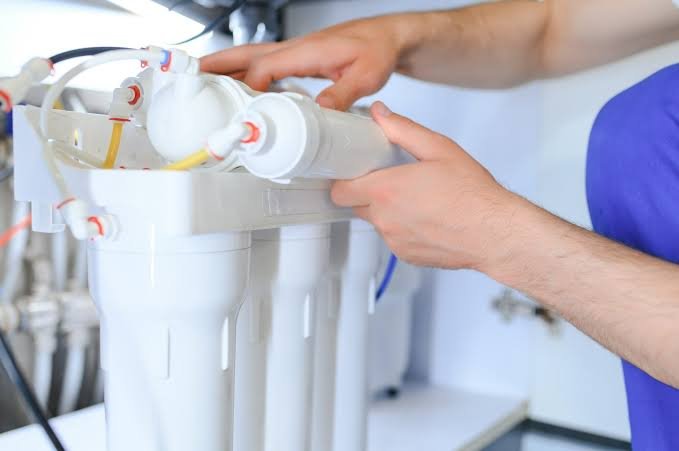
A simple cartridge filter may catch visible particles, but it often won’t solve dissolved iron problems. More advanced systems may use oxidation, filtration media, aeration, or other treatment methods to turn dissolved iron into particles that can be filtered out. It sounds technical, but the goal is simple: cleaner water and fewer stains.
The Dark Stains People Often Miss
Iron gets most of the blame because orange stains are easy to see. But manganese can be just as frustrating. It often leaves black, brown, or gray stains on sinks, tubs, toilets, and laundry. Sometimes homeowners scrub and scrub, thinking it is dirt or mildew, only for the stain to return within days.
Proper manganese removal requires the right water conditions. Manganese can be harder to treat than iron if the pH is low or if the concentration is high. In many cases, it needs oxidation and filtration, and sometimes pH adjustment as part of the treatment plan. That is why a professional water test is helpful before choosing equipment.
The frustrating part is that manganese may be present even when water looks fairly clear. It can still affect taste, stain surfaces, and build up over time. Left untreated, it may also create maintenance issues for fixtures, pipes, and appliances.
Well Water Is Personal to Each Property
Two homes on the same road can have very different water. One well may have iron, another may have sulfur odor, and another may deal mostly with hardness or sediment. Groundwater moves through layers of soil and rock, picking up minerals as it goes. Rainfall, drought, nearby construction, agricultural activity, and the age of the well can all affect water quality.
That’s why well water treatment should be based on actual testing, not guesswork. A good treatment plan may address iron, manganese, hardness, sediment, pH, bacteria, sulfur smell, or other concerns depending on the results. Sometimes one system is enough. Other times, a combination works better.
For example, a home may need sediment filtration before an iron filter, followed by a softener to handle hardness. Another may need UV disinfection if bacteria are found. A third may need a neutralizer because acidic water is damaging copper pipes. There is no single magic filter for every well, no matter what a product label promises.
Why Testing Comes First
Water testing can feel like an extra step when all you want is clean water now. But it saves money and frustration in the long run. Without testing, it’s easy to buy the wrong system, undersize equipment, or treat one problem while ignoring another.
A proper test may check iron, manganese, hardness, pH, total dissolved solids, sulfur, bacteria, sediment, and other factors. These numbers help determine what system will actually work. They also help identify whether the issue comes from the water source, the plumbing, or both.
Think of it like going to a doctor. You wouldn’t want medicine prescribed purely by guessing. Water deserves a diagnosis too.
The Everyday Benefits of Cleaner Well Water
When iron and manganese are properly treated, the difference around the home can be surprisingly noticeable. Toilets stay cleaner. Showers look brighter. Laundry stops picking up strange stains. Coffee and tea taste better. Faucets and appliances are easier to maintain. Even the simple act of filling a glass feels more comfortable.
Cleaner water can also help protect water heaters, washing machines, dishwashers, and plumbing fixtures from buildup and staining. That matters because water problems don’t stay neatly at the tap. They travel through the whole home.
Installation and Maintenance Matter
Choosing the right system is only half the job. It also needs to be installed correctly. Flow rate, pressure, pipe size, system placement, drainage, and maintenance access all matter. A poorly installed system may reduce water pressure, fail to treat properly, or become difficult to service.
Maintenance is just as important. Filters need changing. Treatment media may need attention. Some systems need backwashing. Others require periodic checks to make sure they are still performing well. It is not difficult, but it should not be forgotten.
Clear Water Is Worth the Effort
Well water can be a great resource, but it needs respect. If your water is leaving stains, tasting metallic, or causing buildup, it is worth taking seriously before small problems become expensive ones.
The good news is that most iron and manganese issues can be managed with the right test, the right equipment, and proper care. Once that is in place, water becomes easier to live with again. Clean fixtures, better-tasting drinks, fresher laundry, fewer stains — not flashy things, maybe, but they make home feel better.
And honestly, that’s what good water treatment should do. It should quietly solve the problem, then let you get back to normal life.

Admin
A contributor to Blognary’s independent wall of business, technology, finance and marketing perspectives.
VIEW ALL ARTICLES