Water is one of those things we rarely think about until something feels off. Maybe your bathroom sink suddenly has orange streaks that refuse to scrub away. Maybe your white laundry doesn’t look quite as white anymore, or your morning glass of tap water has a slightly metallic taste. These little clues are easy to ignore at first, but they often point to a bigger story happening inside your plumbing.
Many homeowners assume discoloration or staining is simply a normal part of aging pipes. Sometimes that’s true, but often the issue begins with the water itself. Minerals naturally found in groundwater can slowly change the way your home looks, how your appliances perform, and even how enjoyable everyday tasks become.
Water Doesn’t Have to Look Dirty to Cause Problems
One of the surprising things about water quality is that problems aren’t always obvious. Water may appear perfectly clear when it comes out of the faucet, only to leave stains after it sits in a sink or dries on a countertop. That delay makes it difficult to connect the dots.
Groundwater travels through layers of rock and soil before reaching your home. Along the way, it picks up naturally occurring minerals. Depending on where you live, those minerals can vary quite a bit. Some areas have harder water, while others experience higher concentrations of metals that create unique challenges inside the home.
When those minerals interact with oxygen, air, or household surfaces, the results become much easier to notice.
Those Stubborn Orange Marks Aren’t Just Cosmetic
If you’ve spent an afternoon scrubbing your bathtub only to watch the stains return a week later, you’re definitely not alone.
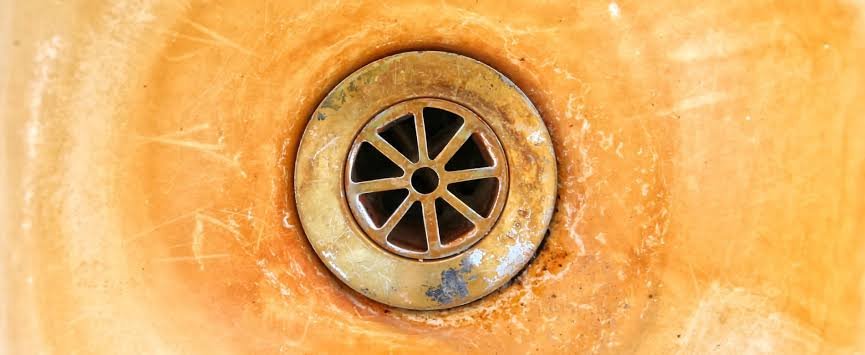
One of the most common complaints homeowners have involves iron & mineral stains that appear around faucets, toilets, sinks, showers, and even outdoor fixtures. These stains don’t necessarily mean your home is dirty. In fact, they often keep coming back because cleaning removes the symptom, not the cause.
Over time, these deposits can become increasingly difficult to remove. Standard household cleaners might fade them temporarily, but unless the water itself is treated, they’ll continue forming again and again.
It’s a little like mowing weeds without pulling the roots.
Why Iron Is More Common Than Most People Realize
In many regions, groundwater naturally contains iron. It’s actually one of the most common minerals found in private wells, although municipal water systems may also contain small amounts depending on local conditions.
Not every household experiences the same concentration. Some families notice only a faint metallic taste, while others deal with obvious discoloration and recurring stains throughout the house.
Iron itself isn’t always considered a serious health concern at typical household levels. The bigger issue is the inconvenience it creates. It can clog fixtures over time, reduce appliance efficiency, stain fabrics during laundry, and make water less pleasant to use every day.
Coffee makers, dishwashers, washing machines, and water heaters all work harder when mineral buildup accumulates inside them. That extra strain may eventually shorten their lifespan and increase maintenance costs.
When Water Starts Looking Brown or Orange
Seeing rust colored water flow from a faucet can certainly get your attention.
Sometimes it happens after water service has been interrupted or after nearby maintenance work disturbs sediment in municipal pipes. Other times, aging plumbing inside the home may contribute to discoloration.
However, naturally occurring minerals are another common reason, particularly for homes supplied by well water.
The first instinct is often panic, but the smartest approach is simply identifying the actual source before making assumptions. Different causes require different solutions, and guessing usually leads to unnecessary expense.
A proper water analysis can quickly determine whether discoloration comes from dissolved minerals, plumbing corrosion, sediment, or another water quality issue entirely.
The Hidden Cost of Ignoring Water Quality
Water problems rarely stay limited to appearance.
Mineral deposits slowly accumulate inside pipes where they reduce water flow over time. Fixtures become harder to clean. Soap becomes less effective. Glassware develops cloudy spots that never seem to disappear completely.
Many homeowners also notice changes in laundry. Whites may become dull, lighter fabrics can develop discoloration, and towels sometimes feel rough even after washing.
None of these problems usually appear overnight. They build gradually, which is why they’re easy to overlook until the effects become impossible to ignore.
Replacing damaged fixtures or appliances often costs far more than addressing the underlying water issue early.
Every Home Needs a Different Solution
There isn’t a universal treatment system that works for everyone.
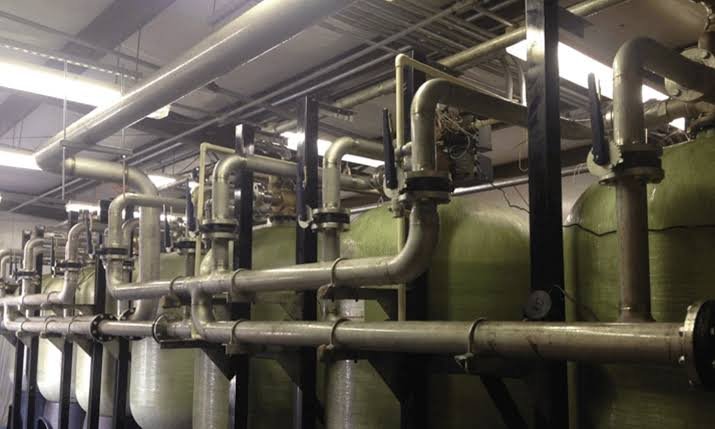
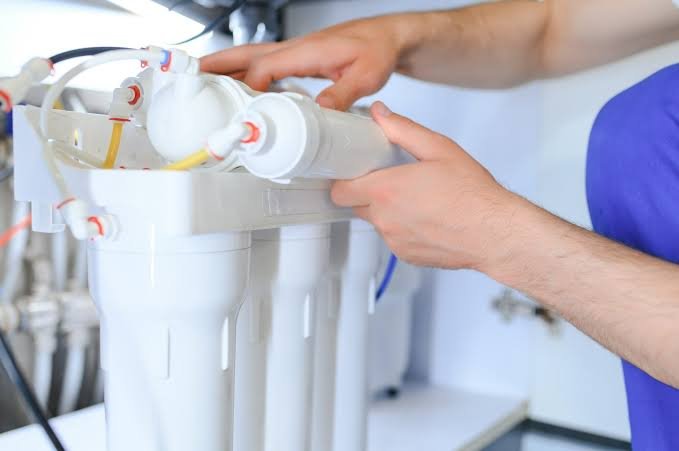
A home dealing primarily with hardness requires different equipment than one experiencing elevated iron levels. Another household may need a combination of filtration, oxidation, and specialized media to address multiple concerns at once.
That’s why professional water testing matters.
Instead of buying equipment based on advertisements or assumptions, testing provides actual data about what’s present in your water. From there, treatment can be customized to solve the specific problem without paying for unnecessary features.
It’s a much smarter investment in the long run.
Small Changes Can Make Everyday Life Feel Better
People often expect dramatic improvements after installing the right water treatment system, but it’s usually the little things that make the biggest difference.
The bathroom stays cleaner longer.
Laundry looks brighter.
Glass shower doors require less scrubbing.
Water tastes fresher.
Coffee and tea often improve because unwanted minerals no longer interfere with flavor.
Even something as simple as washing your hands can feel different when water is cleaner and leaves less residue behind.
Those everyday improvements add up surprisingly fast.
Knowing Your Water Is Worth the Effort
It’s easy to accept stained sinks or slightly odd-tasting water as part of owning a home, especially if you’ve lived with it for years. But water should work quietly in the background, not constantly remind you that something isn’t quite right.
Whether the issue comes from naturally occurring minerals, aging plumbing, or local groundwater conditions, understanding what’s flowing through your pipes is the first step toward fixing it.
A simple water test can provide answers that years of guessing never will. Once you know what’s actually in your water, choosing the right treatment becomes much easier.
In the end, cleaner water isn’t just about protecting fixtures or removing stains. It’s about making everyday life a little simpler, a little cleaner, and a lot more enjoyable. After all, water touches nearly every part of your home—and when it’s working the way it should, you barely notice it. That’s probably the best sign of all.

Admin
A contributor to Blognary’s independent wall of business, technology, finance and marketing perspectives.
VIEW ALL ARTICLES