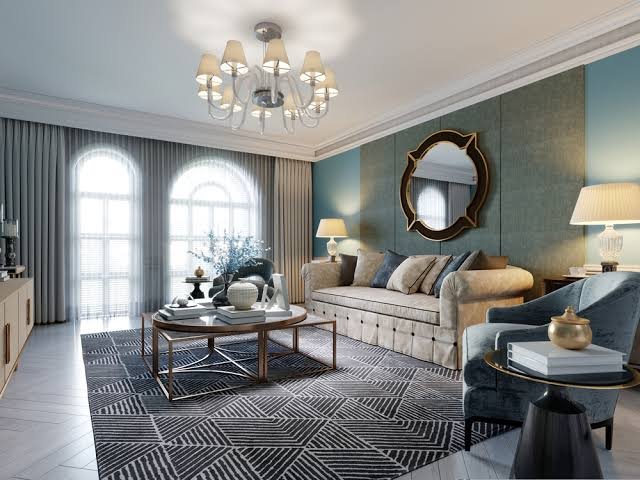
There’s something special about walking into a home that instantly feels welcoming. It isn’t always about expensive furniture or trendy finishes. More often than not, it’s the little details, the way light fills a room in the morning, how easily the kitchen flows into the dining area, or the quiet comfort of a space designed around the people who actually live there.
Many homeowners spend months collecting inspiration from magazines, Pinterest boards, and home tours, only to realize that creating a timeless home isn’t about copying someone else’s style. It’s about understanding what makes everyday life easier while adding personality that won’t feel outdated in a few years.
Start with the Way You Live
Every successful home begins with one simple question: How do you use your space?
A family with young children has very different needs than a retired couple or someone working remotely. Before selecting paint colors or flooring, it’s worth paying attention to daily habits. Do you cook often? Do guests naturally gather around the kitchen? Is storage constantly becoming a problem?
When a home reflects real routines instead of imagined ones, every room becomes more functional. That kind of planning rarely goes out of style.
Design isn’t just visual. It’s practical, emotional, and surprisingly personal.
The Heart of the Home Deserves Extra Attention
The kitchen has always been where conversations happen. Friends lean against the island while coffee brews, children finish homework at the counter, and family dinners somehow turn into long evening chats.
That’s why investing time in often delivers the biggest impact. These spaces combine functionality with comfort more than any other part of the home. Small improvements like better lighting, improved layouts, or durable materials can completely change the experience of using them every day.
Rather than chasing trends that may disappear next season, many homeowners are choosing natural finishes, warm wood tones, and layouts that prioritize movement and convenience.
Sometimes less really is more.
Storage Should Never Feel Like an Afterthought
Anyone who has lived in a cluttered home understands how frustrating inadequate storage can become. No matter how beautiful a room looks on moving day, it quickly loses its charm when everyday items have nowhere to go.
This is where custom cabinetry makes a meaningful difference.
Unlike standard options, tailored storage solutions can maximize awkward corners, high ceilings, and unused spaces that would otherwise go to waste. Whether it’s built-in shelving, hidden pantry storage, or organized wardrobe systems, personalized cabinetry helps maintain a cleaner and calmer environment without sacrificing style.
The best part is that these solutions quietly blend into the home’s architecture rather than demanding attention.
Timeless Materials Usually Win
Design trends move quickly.
One year it’s all about matte black fixtures. The next, brushed brass dominates every showroom. Before long, another style replaces it.
Natural materials, however, have an impressive ability to remain appealing decade after decade.
Wood flooring develops character over time. Stone countertops age gracefully. Neutral paint colors adapt easily as furniture and décor evolve. These materials don’t just survive changing tastes—they often become even more attractive with age.
Choosing quality over novelty usually pays off in both appearance and long-term value.
Comfort Is More Important Than Perfection
Social media has created unrealistic expectations for homes. Every room appears spotless, every cushion perfectly arranged, every shelf carefully styled.
Real homes aren’t like that.
A comfortable reading chair with a worn blanket often tells a better story than a perfectly staged corner nobody ever uses. Family photos, travel souvenirs, handwritten recipes, and well-loved books give personality to spaces that expensive décor simply can’t replicate.
People remember how a home makes them feel, not whether every accessory matched.
That perspective changes everything.
Lighting Quietly Shapes Every Room
Lighting is one of the most overlooked aspects of residential design, yet it influences mood more than almost any other feature.
Natural daylight should always be embraced whenever possible. Large windows, lighter wall colors, and thoughtful window treatments can dramatically brighten interiors without major renovations.
Layered lighting works just as well after sunset.
Combining ceiling fixtures, under-cabinet lighting, floor lamps, and decorative accent lights creates depth that a single overhead fixture simply cannot achieve.
It’s a subtle improvement, but one homeowners appreciate every single evening.
Personal Details Create Lasting Memories
Homes become meaningful because they reflect the people living inside them.
Maybe it’s reclaimed wood from an old family barn, artwork collected during vacations, or a handmade dining table passed through generations. These details add authenticity that no showroom can replicate.
Designers often encourage restraint when decorating, and for good reason. Leaving room for meaningful objects allows a home to grow naturally over time instead of feeling finished all at once.
That gradual evolution often produces the most memorable interiors.
Building Spaces That Feel Effortless
The most admired homes rarely rely on extravagant architecture or luxury finishes alone. Instead, they feel balanced, organized, and genuinely comfortable.
The goal isn’t perfection.
It’s creating beautiful living spaces that support everyday moments, whether that’s hosting weekend dinners, relaxing after work, or simply enjoying a quiet morning coffee before the day begins.
Homes designed with intention tend to age gracefully because they’re built around real people rather than temporary design trends.
A Home That Continues to Grow With You
Perhaps the most rewarding part of thoughtful home design is realizing that it never truly ends.
Rooms change as families grow. Furniture gets rearranged. New memories replace old ones. Seasons bring different colors, textures, and routines. A well-designed home welcomes those changes instead of resisting them.
When decisions are guided by quality, comfort, and authenticity rather than fleeting trends, the result is a place that continues to feel familiar year after year.
At the end of the day, a beautiful home isn’t measured by how closely it resembles a magazine spread. It’s measured by the laughter shared around the dining table, the peaceful mornings spent by the window, and the countless ordinary moments that slowly become lifelong memories.
Those are the details that never go out of style.

Admin
A contributor to Blognary’s independent wall of business, technology, finance and marketing perspectives.
VIEW ALL ARTICLES