The Infrastructure Behind a Working Business
Most people notice a commercial property’s plumbing only when something stops working. A clogged restroom, standing water near the parking lot, or a sudden drop in water pressure can turn an ordinary business day into a scramble.
Behind those visible problems is a network of underground pipes, valves, drains, and stormwater components that quietly keep the property functioning.
For businesses, reliable infrastructure isn’t simply a convenience. Plumbing problems can interrupt operations, inconvenience customers, create safety concerns, and sometimes cause expensive property damage. Regular inspections and timely repairs can help prevent a small issue from becoming a major disruption.
Commercial Water Lines Deserve Attention
Commercial buildings often use considerably more water than individual homes. Restaurants, offices, retail centers, apartment properties, warehouses, and industrial facilities can all place different demands on their water systems.
A leak beneath a parking lot may go unnoticed for days. A damaged pipe near a building foundation can create moisture problems. And when water pressure suddenly changes throughout a property, there may be an issue somewhere in the main supply system.
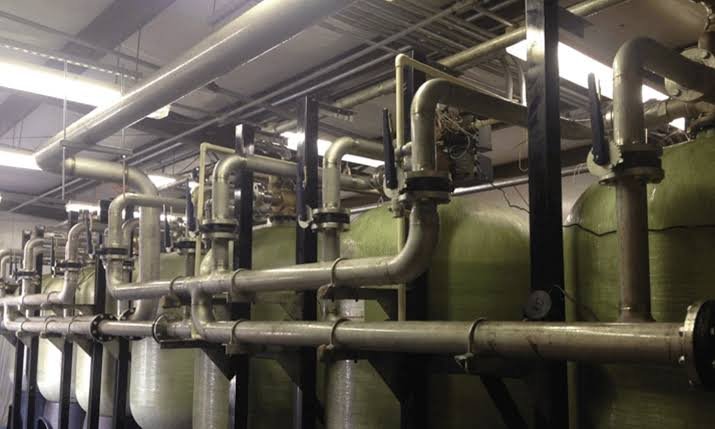
Professional commercial water & sewer line repair can address problems ranging from damaged underground pipes to deteriorated connections and recurring sewer issues.
The key is finding the actual cause. Repeatedly repairing the same symptom without inspecting the larger system can become expensive pretty quickly.
Stormwater Management Matters Too
Rainwater has to go somewhere, especially on commercial properties where large roofs, paved parking areas, sidewalks, and driveways prevent water from naturally soaking into the ground.
That’s where storm drainage systems become important.
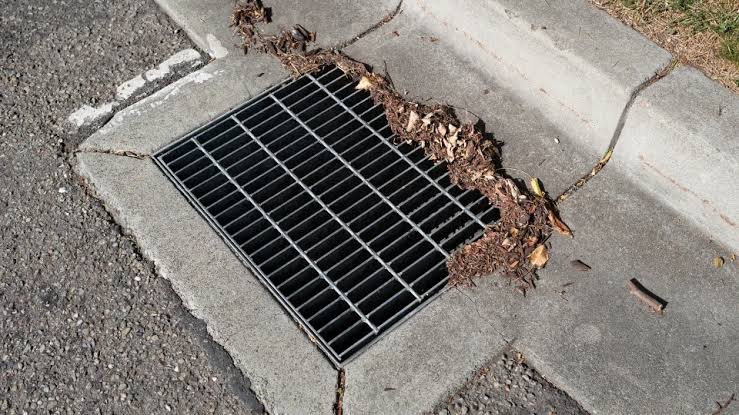
A properly functioning catch basin storm drain collects runoff and directs it toward the appropriate drainage network. When these systems become clogged with leaves, dirt, trash, or sediment, water can start collecting where it shouldn’t.
Standing water in a parking lot isn’t just an eyesore. It can create slippery surfaces, damage pavement, interfere with traffic, and contribute to long-term drainage problems.
Regular cleaning and inspection can help keep stormwater moving before heavy rain exposes a weakness in the system.
Watch for Early Warning Signs
Commercial plumbing problems often provide clues before they become emergencies.
Unusual odors, slow drains, recurring backups, unexplained water usage, wet areas around the property, and changes in pressure are all worth investigating.
Stormwater systems have warning signs too. Water pooling in the same location after every rainfall, overflowing catch basins, eroded soil, and sediment buildup can indicate that a drainage system needs attention.
The trick is not to ignore these signs simply because the building is still operating.
A system doesn’t have to completely fail before maintenance becomes worthwhile.
Why Valves Are So Important
Valves may not get much attention, but they play a major role in controlling commercial water systems.
A functioning valve allows technicians to isolate sections of piping during maintenance or repairs. If a valve is stuck, damaged, corroded, or difficult to operate, a relatively simple plumbing job can become more complicated.
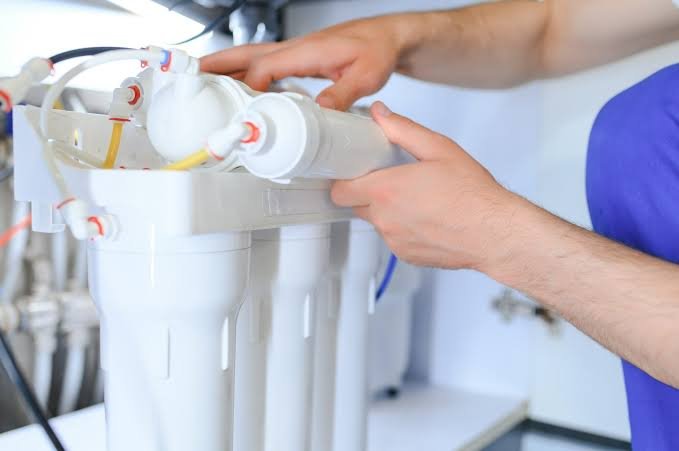
Professional gate valve repair can restore proper control and make future maintenance easier.
For larger properties, knowing where important valves are located is also useful during emergencies. When a pipe breaks, being able to shut off the affected section quickly may help reduce water damage and downtime.
Preventive Maintenance Can Save a Business
Preventive maintenance isn’t particularly exciting. Nobody celebrates because a plumber inspected a valve or cleaned a drain.
Still, it can save money.
Regular inspections can identify worn components, buildup, corrosion, leaks, and drainage restrictions before they cause serious damage. Maintenance schedules can also be tailored to the property’s actual usage.
A busy restaurant, for example, may need different drain maintenance than a small office. A large parking facility may require more frequent storm drain cleaning than a low-traffic commercial site.
The goal isn’t to perform unnecessary work. It’s to keep the infrastructure in good working condition based on how the property is actually used.
Underground Problems Require Better Diagnosis
One challenge with commercial water and sewer systems is that much of the infrastructure is hidden.
A pipe may run beneath concrete, asphalt, landscaping, or building foundations. Simply digging wherever a problem appears can create more disruption than necessary.
Professional inspection equipment can help locate damaged sections more accurately. Sewer cameras, pipe locating tools, pressure testing, and other diagnostic methods can provide useful information before excavation begins.
This makes it easier to develop a practical repair plan.
For business owners, that matters because less unnecessary excavation often means less disruption to customers, employees, deliveries, and daily operations.
What Business Owners Should Ask Before Repairs
Before approving major plumbing or drainage work, property owners should ask a few straightforward questions.
What caused the problem? Where exactly is the damaged section? Is repair possible, or is replacement more practical? How long will the work take? Will water service be interrupted? What parts of the property will need to be excavated?
It’s also worth asking how disturbed pavement, landscaping, or other surfaces will be handled afterward.
A reliable contractor should be comfortable explaining these details. Clear communication helps everyone understand what’s happening and reduces unpleasant surprises.
Choosing the Right Commercial Plumbing Team
Commercial plumbing requires a different level of planning than many residential repairs. The contractor needs to understand the property, its usage, access limitations, safety considerations, and the potential impact of downtime.
Look for licensed and insured professionals with experience working on commercial water, sewer, and stormwater infrastructure.
Good contractors don’t just show up with equipment and start digging. They inspect, diagnose, explain, and then recommend a solution based on the condition of the system.
That approach may take a little more time at the beginning, but it can save plenty of headaches later.
Keep the Hidden Infrastructure Working
A successful business depends on hundreds of things working together. Water supply and drainage systems may not be visible to customers, but they’re part of that bigger picture.
Keeping pipes, valves, sewer lines, and stormwater drains maintained can reduce unexpected interruptions and protect the property from avoidable damage.
The smartest time to address a plumbing problem is usually before it becomes an emergency.
With regular inspections, sensible maintenance, and experienced professionals handling repairs, commercial properties can keep their essential infrastructure doing its job quietly in the background — which, in plumbing, is exactly what you want.

Admin
A contributor to Blognary’s independent wall of business, technology, finance and marketing perspectives.
VIEW ALL ARTICLES