There’s a particular moment that catches people off guard. You fill a glass of water from the kitchen sink, bring it close to take a sip, and suddenly pause because something smells strangely familiar.
Not dirty exactly. Just… chemical.
For many homeowners, the first comparison that pops into mind is a public swimming pool.
And honestly, once you notice it, it becomes hard to ignore.
Why Chlorine Is in Tap Water to Begin With
Most municipal water systems use chlorine as a disinfectant. It helps kill bacteria, viruses, and harmful microorganisms before water reaches homes. In many ways, it’s one of the reasons modern tap water is generally much safer than it was decades ago.
So chlorine itself isn’t automatically a bad thing.
The problem begins when levels become noticeable enough to affect taste, smell, or overall comfort inside the home.
That’s where homeowners start paying attention.
I remember visiting a relative years ago who insisted her tea tasted “sharp” lately. At first nobody knew what she meant. But after a few sips, it became obvious the water carried a strong chemical edge that changed the flavor completely.
It turned out the local supply had recently increased treatment levels after heavy rainfall in the area.
The Difference Between Safety and Comfort
One thing people often misunderstand is that water can technically be safe while still being unpleasant to use every day.
That’s an important distinction.
Some homes experience excessive chlorine levels that leave water tasting harsh or create strong odors during showers and cooking. The water may still meet safety standards, but comfort becomes another issue entirely.
And comfort matters more than many people realize.
Water affects nearly every daily routine — making coffee, boiling pasta, washing vegetables, brushing teeth, even filling a pet’s bowl. When something feels off, people notice it constantly because water is woven into everyday life.
Why Showers Sometimes Smell Stronger Than the Kitchen Sink
Interestingly, many people first notice chlorine while showering rather than drinking.
Hot water tends to release chlorine compounds into the air more quickly, which can make bathrooms smell stronger than cold tap water from the kitchen faucet. That warm steam amplifies everything.
Some homeowners describe it as a bleach-like odor. Others compare it to pool water or strong cleaning products.
That lingering chlorine smell can make showers feel less relaxing, especially for people with sensitive skin or strong sensitivity to scents.
And honestly, once your bathroom starts smelling like a community pool locker room, it becomes difficult not to think about it every single morning.
Taste Matters More Than People Admit
People sometimes downplay water taste as if it’s unimportant, but realistically, taste shapes how often we drink water at all.
If water tastes strange, many people unconsciously avoid it. They buy bottled water constantly or rely heavily on flavored drinks instead.
That’s why chlorine taste becomes surprisingly frustrating over time. It can flatten the flavor of coffee, tea, soups, and even ice cubes. Cooking with strongly chlorinated water occasionally changes food flavor in subtle ways too.
A friend of mine once switched to filtered water mainly because her kids refused to drink tap water anymore. She thought they were being dramatic until she tried it herself side by side with filtered water.
Kids notice weird flavors faster than adults sometimes.
Seasonal Changes Can Make It Worse
One confusing thing about chlorine levels is that they may fluctuate during different times of the year.
Heavy rainfall, flooding concerns, infrastructure maintenance, or seasonal treatment adjustments can all affect how much chlorine reaches residential taps. That’s why some homeowners notice stronger smells during certain months but not others.
And honestly, that inconsistency makes people second-guess themselves.
One week everything tastes fine. The next week the water suddenly smells stronger and nobody knows why.
Usually, the answer lies somewhere within the local treatment process rather than inside the home itself.
Simple Solutions Often Help More Than People Expect
The good news is most chlorine-related issues are manageable.
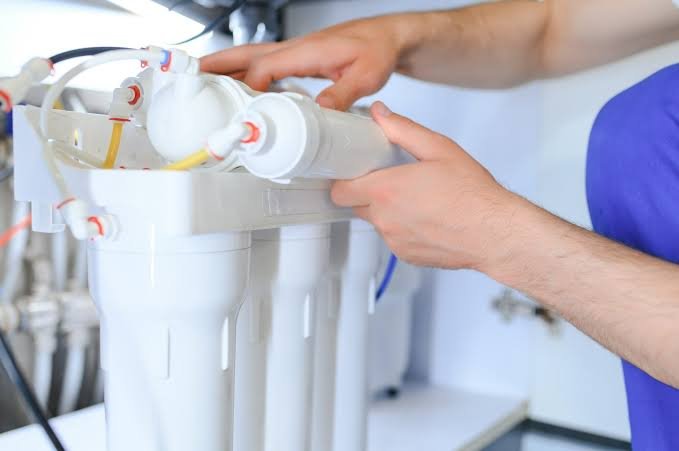
In many homes, activated carbon filters significantly reduce noticeable taste and odor. Some families install under-sink filtration systems for drinking water, while others choose whole-house solutions if the smell affects showers and laundry too.
The important thing is understanding the issue before buying random products online.
That’s where homeowners sometimes get overwhelmed. Every company promises “pure crystal-clear water” with dramatic marketing language, but not every house needs an expensive setup.
Sometimes a basic filtration solution makes an enormous difference.
And honestly, even small improvements become noticeable quickly when you use water dozens of times a day.
Water Should Feel Easy
At the end of the day, most people aren’t looking for laboratory-perfect water.
They simply want water that feels comfortable and normal. Water that doesn’t smell strange while showering. Water that makes coffee taste the way it should. Water that doesn’t leave guests quietly wondering why the kitchen tap smells like a pool.
Those little experiences shape daily life more than we realize.
And perhaps that’s why homeowners become so frustrated when water starts feeling chemically “off.” It interrupts routines we usually never think about.
Once the issue improves, there’s often a strange sense of relief that’s hard to explain.
The house just feels right again.

Admin
A contributor to Blognary’s independent wall of business, technology, finance and marketing perspectives.
VIEW ALL ARTICLES