Most water problems don’t arrive with a big warning sign. They show up quietly, in small household annoyances that are easy to brush off. A faint smell from the tap. White marks on glassware. Dry skin after a shower. A kettle that gets crusty inside too quickly. Nothing dramatic, maybe, but still enough to make you wonder what is really moving through the pipes.
The tricky thing about water is that it can look clean and still carry minerals, chlorine, iron, sediment, or other things that affect the way it tastes, smells, and performs around the home. That’s why understanding your water is often the first step toward making daily life a little easier.
Why Guessing Usually Doesn’t Help
A lot of homeowners try to solve water issues by guessing. They buy stronger cleaners for stains, switch laundry detergents, replace showerheads, or start buying bottled water. Sometimes those fixes help for a while. Often, they just cover up the real issue.
Proper water testing gives you a clearer picture. Instead of assuming the problem is hard water, chlorine, iron, or sediment, a test can show what is actually present. From there, it becomes much easier to choose the right treatment system instead of spending money on equipment that may not solve the main concern.
Hard water, for example, is commonly linked to scale buildup, cloudy dishes, stiff laundry, and soap that doesn’t lather well. But if the issue is odor, taste, or staining, the solution may be different. Testing helps separate symptoms from causes.
The Everyday Clues in Your Home
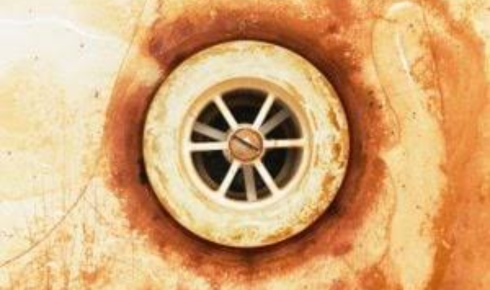
Your home may already be giving you hints. White crust around faucets can point toward mineral-heavy water. Orange or brown staining may suggest iron. A strong pool-like smell can come from chlorine. Grit in sinks or tubs may mean sediment is getting through.
Even personal comfort can be affected. Some people notice their skin feels dry or itchy after showering. Hair may feel dull or heavy. Towels might come out rough, even when washed with plenty of detergent. It is easy to blame soap, shampoo, or the washing machine, but water quality can play a bigger role than people expect.
And then there is taste. If you avoid drinking tap water because it seems “off,” that’s worth paying attention to. Water should not feel like something you tolerate.
A Simple Way to Start
For many families, a free water analysis is a practical first move. It gives homeowners useful information without forcing them into guesswork. A trained professional can check common water concerns, explain the results in normal language, and help identify whether softening, filtration, or a more complete system makes sense.
This is especially helpful because no two homes are exactly alike. Neighbors may have similar water, but plumbing age, fixtures, water source, and household usage can all make a difference. One home may struggle mostly with hardness minerals, while another may need help with taste, odor, or sediment.
A good analysis should feel informative, not overwhelming. Homeowners don’t need a chemistry lecture. They need honest answers and practical next steps.
How Better Water Supports the Whole House
Water touches nearly everything. It fills the coffee maker, runs through the washing machine, heats in the water heater, rinses dishes, and flows through showers every single day. So when water quality is poor, the effects spread across the home.
Mineral-heavy water can leave buildup inside appliances. Sediment can affect fixtures. Chlorine or other taste issues can make drinking water less appealing. Poor water quality may also mean using more soap, more detergent, and more cleaning products than necessary.
Once the right treatment system is installed, the change can feel surprisingly noticeable. Dishes may dry clearer. Laundry may feel softer. Showers can feel more comfortable. Faucets and shower doors may stay cleaner longer. These are not flashy improvements, but they make home maintenance less frustrating.
What Happens During an In-Home Visit
An in-home water test is usually straightforward. A technician may collect samples from different taps, check hardness levels, look for common minerals or contaminants, and ask about the issues you are noticing. The goal is not just to test water in a vacuum, but to connect the results with real household problems.
That conversation matters. If you mention stains, odors, low pressure, cloudy dishes, or dry skin, those details help guide the recommendation. The best solution is one that fits both the test results and the way your family uses water.
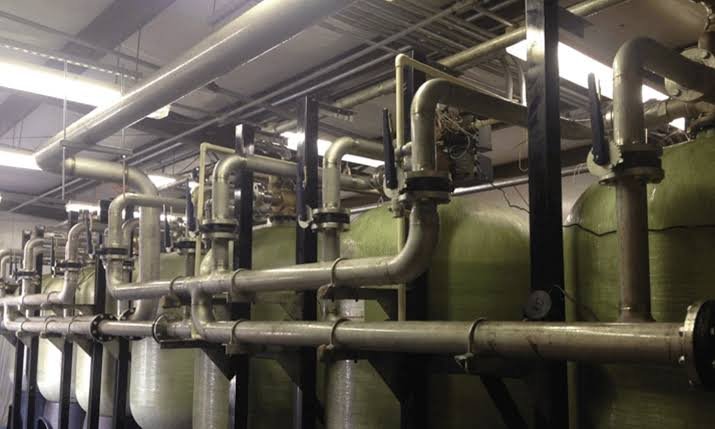
After testing, you may be shown options such as a water softener, drinking water filter, whole-home filtration system, or water refiner. The right choice depends on what the water actually needs.
Better Water Begins with Better Information
Improving home water quality does not have to be complicated. It starts with paying attention to the signs, testing instead of guessing, and choosing a solution based on facts.
Water is too important to leave to trial and error. It affects comfort, cleaning, appliances, cooking, and the simple act of filling a glass at the sink.
So, if something about your water feels off, listen to that little clue. A simple test may reveal exactly what is going on, and once you know the problem, better water becomes a much easier goal to reach.

Admin
A contributor to Blognary’s independent wall of business, technology, finance and marketing perspectives.
VIEW ALL ARTICLES