Most people don’t think much about their plumbing until something goes wrong. A tap starts dripping, a drain refuses to clear, or the water pressure suddenly drops. But some of the most important plumbing problems aren’t nearly so obvious. Backflow is one of them. It can allow contaminated water to move into pipes that are supposed to carry clean water, creating a risk that may go unnoticed until a routine inspection reveals it.
For homeowners and small-business operators, regular backflow testing is a practical way to help protect water quality and keep plumbing systems working as intended. The details vary from one property to another, but the basic principle is simple: prevention is easier than dealing with contamination after it happens.
Why Backflow Testing Deserves Attention
A plumbing system normally carries water in one direction. However, changes in pressure can sometimes reverse that flow, allowing water from an unintended source to enter the supply network. This is known as backflow, and it can occur through backpressure or backsiphonage.
Backpressure happens when pressure in a connected system exceeds the pressure in the incoming water line. Backsiphonage, meanwhile, can occur when pressure in the main supply suddenly falls, creating a suction effect. A broken water main or heavy demand elsewhere in the network may contribute to such conditions.
The concern isn’t limited to industrial facilities. Homes may have garden irrigation systems, swimming pools, water storage arrangements, or other plumbing connections that need suitable protection. Small businesses can have additional risks involving cleaning equipment, commercial kitchens, heating systems, or specialist machinery.
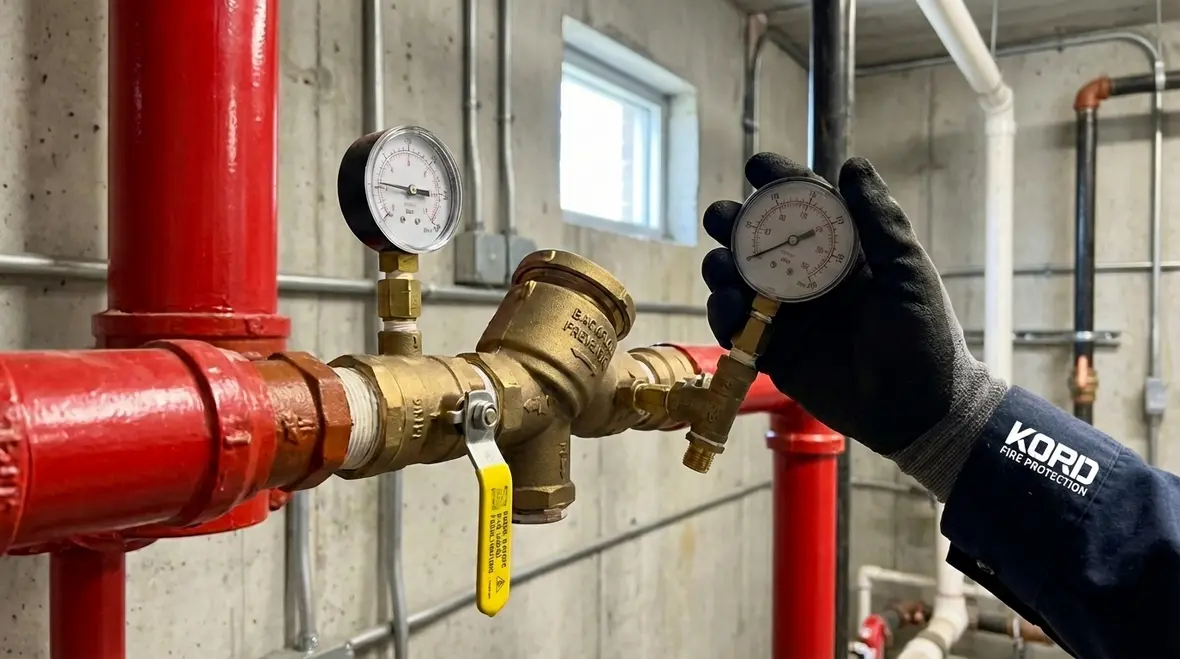
A backflow prevention assembly is designed to reduce these risks, but simply having one installed doesn’t guarantee that it will continue working correctly. Internal components can wear down, seals may deteriorate, and debris can interfere with performance. Testing helps identify problems before they become more serious.
What Homeowners Should Expect
For most households, backflow prevention is not something that requires constant attention. Still, it shouldn’t be forgotten entirely. Depending on the plumbing setup and local regulations, certain properties may need their prevention assemblies inspected and tested at specified intervals.
Professional residential backflow tests typically involve checking the relevant device using appropriate testing equipment and recognised procedures. A qualified tester evaluates whether the assembly is operating within the required limits and whether its protective components are responding as intended.
The exact process depends on the type of device installed. Some assemblies contain multiple valves or pressure zones, so a proper assessment involves more than looking for leaks or checking whether the exterior appears undamaged.
Homeowners can help by keeping the area around the device accessible. If it is hidden behind stored garden tools, landscaping, or household clutter, even a straightforward inspection can become unnecessarily difficult. It’s also sensible to retain previous service records and let the tester know about any recent plumbing changes.
One important point: not every home has the same testing obligations. Requirements depend on the equipment, its risk classification, and local rules. Checking with the relevant water authority or plumbing professional is the best way to understand what applies to your property.
Small Businesses Have Different Plumbing Needs
A small business may occupy less space than a large commercial facility, but that doesn’t automatically mean its backflow risk is lower. A café, dental practice, salon, workshop, or small manufacturing unit can have plumbing connections that differ considerably from those in an ordinary home.
Commercial equipment may introduce additional pressure changes or create opportunities for water to come into contact with cleaning agents, process liquids, or other contaminants. The right protection depends on the actual use of the premises, not simply its size.
This is where light-commercial backflow tests become particularly relevant. Testing helps businesses confirm that installed prevention assemblies are performing properly and identify issues that might otherwise interrupt normal operations. Depending on the site and local requirements, testing may also form part of a wider plumbing maintenance or compliance programme.
Business owners should make sure that whoever carries out the work understands the equipment involved and is authorised to test the relevant assembly. A professional familiar with domestic plumbing may not necessarily be qualified for every commercial installation.
It’s also worth planning testing around business operations. Arranging access in advance, notifying staff, and allowing time for any required repairs can reduce disruption. A little organisation goes a long way, particularly for businesses that rely on water throughout the working day.
Understanding the Testing Results
Once testing is complete, the result should be explained clearly. If the device passes, the property owner can keep the record and follow the recommended maintenance schedule. If it fails, the next step is to understand why.
A failed test doesn’t necessarily mean the entire plumbing system is unsafe, but it does indicate that the assembly hasn’t met the applicable performance requirements under the test conditions. The tester may recommend servicing, adjustment, or replacement, depending on the fault and the device’s condition.
Avoid treating a failed result as a minor administrative issue. If the assembly is required for contamination protection, delaying necessary corrective work can leave the property exposed to an avoidable risk. Ask the professional whether immediate action is needed and whether a follow-up test must be completed after repairs.
It is equally important not to assume that replacing a device is always the answer. Some problems can be corrected through appropriate servicing, while damaged or unsuitable equipment may need replacement. A clear explanation of the findings helps property owners make informed decisions instead of spending money unnecessarily.
Why Good Records Matter
Testing is useful, but the information it produces is valuable too. Keeping documentation of inspections, results, repairs, and replacement dates creates a reliable history of the plumbing system.
For homeowners, this can make future maintenance easier and help when selling a property or answering questions about previous work. For businesses, records may be needed to demonstrate compliance with local requirements, satisfy a property manager, or respond to an inspection.
Useful records generally identify the device, its location, the date of testing, the result, and any recommended corrective action. Where applicable, they should also include the tester’s details and the official reporting information required by the local authority.
Digital copies can be convenient, but the main goal is accessibility. Save reports in a clearly labelled folder and make sure someone responsible for property maintenance knows where to find them. If you manage several premises, maintaining a separate record for each site can prevent confusion and missed deadlines.
Never assume that an old report proves a device is still operating correctly. Records show what was found at a particular time; they don’t replace future testing when it is required.
Choosing a Reliable Backflow Testing Professional
A dependable service provider should be able to explain the testing process, confirm the qualifications required for your location, and provide a clear account of any issues discovered. Before booking, ask whether the quoted fee includes reporting and whether repairs or retesting would cost extra.
Be wary of vague recommendations that offer no explanation of the device’s condition. Good professionals explain their findings in everyday language and distinguish between urgent repairs and routine maintenance.
For commercial premises, ask about experience with the type of equipment installed. For homes, make sure the provider understands the applicable residential requirements. In either case, clear communication and proper records are signs of a service worth trusting.
A Simple Step Towards Safer Water
Backflow testing isn’t especially glamorous, and it’s easy to push it down the maintenance list when everything seems fine. Yet that’s precisely why it matters. A prevention device can look perfectly normal while its internal components no longer perform as they should.
Whether you own a family home or run a small business, take time to understand your plumbing system, confirm the testing requirements that apply, and keep service records up to date. Arrange repairs when they are needed rather than waiting for a more convenient moment.
Clean water is essential to everyday life and business operations. Regular testing won’t eliminate every plumbing risk, but it offers a practical way to identify faults, maintain suitable protection, and approach water safety with greater confidence.

Admin
A contributor to Blognary’s independent wall of business, technology, finance and marketing perspectives.
VIEW ALL ARTICLES