Most of us have a relationship with drinking water that is pretty simple. We turn on the tap, fill a glass, and expect it to do its job. But when the water tastes strange, has an unpleasant smell, or leaves you wondering what might actually be in it, that simple relationship can become a little more complicated.
That’s often when homeowners start looking into filtration options.
There are plenty of choices out there, from simple pitcher filters to large whole-home treatment systems. One option that continues to attract attention is reverse osmosis. It may sound like something from a science textbook, but the reason people choose it is actually quite practical: they want better-tasting water available directly from their own kitchen.
A properly selected Reverse Osmosis Drinking Water System can use several stages of filtration, including a specialized membrane, to help reduce certain dissolved substances and other materials in the water. The exact performance depends on the system itself and the quality of the incoming water, but for many households, the difference can be noticeable.
Why People Start Thinking About Water Filtration
Water problems don’t always show up in dramatic ways.
Sometimes it’s just a strange taste in your morning coffee. Maybe your tea tastes different from what you expected. Or perhaps everyone in the house has quietly started buying bottled water because nobody particularly enjoys drinking what comes from the kitchen faucet.
Then there are more obvious signs. Sediment may appear in the water. Mineral deposits can build up on fixtures. Certain water sources may carry odors that make filling a glass less than appealing.
The challenge is that you can’t always tell what is happening simply by looking at the water.
A clear glass doesn’t necessarily tell the whole story. Some substances are invisible, while others may affect taste or odor without changing the water’s appearance at all. That’s why testing can be an important first step when there is a genuine concern.
Understanding the source water helps homeowners choose a treatment system based on facts instead of advertisements.
What Reverse Osmosis Actually Does
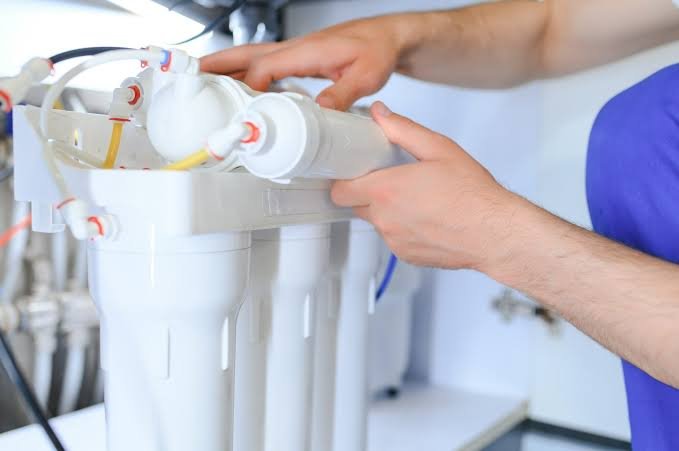
Reverse osmosis uses pressure to move water through a semipermeable membrane. This membrane is designed to allow water molecules to pass while helping reduce a range of dissolved substances.
Most residential systems don’t rely on the membrane alone.
They often include pre-filtration stages that help protect the membrane from sediment or certain chemicals, followed by additional filtration that can improve the final taste of the water. The number and type of stages vary from one system to another.
This multi-step approach is part of what makes reverse osmosis different from a basic filter.
However, it’s important to keep expectations realistic. No responsible water treatment discussion should suggest that every system removes every possible substance. Performance depends on the particular equipment, its certifications, the incoming water conditions, proper installation, and regular maintenance.
That might sound like a lot to consider, but it really comes down to one simple idea: the system should match the water you actually have.
Understanding What May Be in Your Water
Depending on the source, drinking water can contain naturally occurring minerals, treatment-related substances, particles, or other materials.
Some of these are completely expected. Others may be present at levels that lead homeowners to seek additional treatment.
Testing can help identify Common Contaminants and other characteristics that may be relevant to your particular water source. The type of testing needed can vary depending on whether the home uses municipal water or a private well, as well as any noticeable changes in taste, smell, or appearance.
For example, well water can vary significantly from one property to another. One household may deal primarily with hardness, while another nearby property may have iron, manganese, bacteria concerns, or sediment.
Municipal water has its own set of considerations.
The important thing is not to panic every time you hear a complicated word related to water quality. Instead, gather reliable information and understand what applies to your situation.
A water test is often much more useful than guessing.
Taste Is Often the First Difference People Notice
When people install a filtration system, they often start noticing the change in the simplest possible way: they take a sip.
Water that previously had an unpleasant flavor may become more enjoyable to drink when substances contributing to that taste are reduced. Coffee and tea can taste different too, since water is the main ingredient in both.
For many families, having Delicious water available directly from the tap can also reduce their dependence on bottled water.
That means fewer heavy cases to carry from the car, less storage space taken up in the pantry, and fewer plastic bottles piling up over the week.
It’s one of those home improvements that doesn’t always look impressive from the outside. Nobody walks into your kitchen and says, “Wow, what a beautiful filtration system.”
But you notice it in everyday moments.
A glass of cold water after working outside. Filling a reusable bottle before leaving home. Making soup without wondering whether the water will affect the flavor.
Those small things add up.
The Goal Is Better Water, Not a Perfect Marketing Claim
There is a lot of dramatic language in the water treatment industry. Words like “pure,” “perfect,” and “ultimate” appear everywhere.
Real water treatment is a little more practical than that.
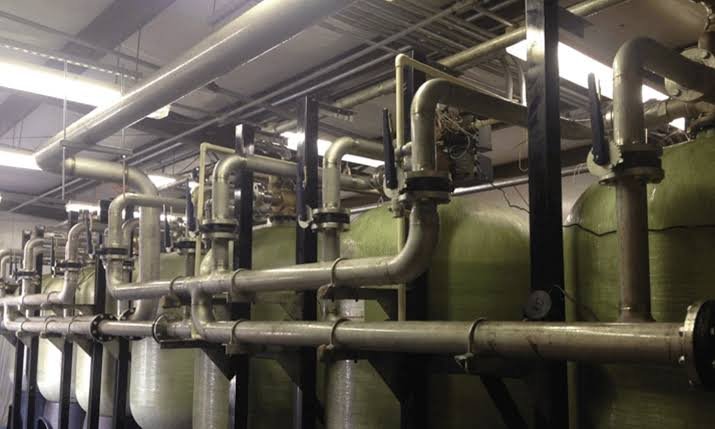
The goal is to understand the water source, identify any concerns, and select equipment that can address those concerns appropriately. Depending on the household, that may involve reverse osmosis, carbon filtration, water softening, sediment treatment, UV technology, or a combination of systems.
For many homeowners, the desired outcome is simple: Healthy Water that feels suitable for everyday drinking and cooking based on the treatment needs of their home.
It’s worth remembering that “healthy” isn’t a one-size-fits-all technical description. What matters is whether the water meets appropriate standards for its intended use and whether the treatment system is designed for the specific issues identified through proper testing and evaluation.
That may sound less exciting than a giant promise printed on a product box, but it’s also a much smarter way to make a decision.
Maintenance Is Part of the Experience
A reverse osmosis system isn’t something you install once and forget forever.
Filters have a limited service life. Over time, they collect material or lose effectiveness. The RO membrane may also need replacement after a certain period, depending on the quality of the incoming water and how heavily the system is used.
Regular maintenance helps the equipment perform as intended.
Before choosing a system, ask practical questions. How often should the filters be replaced? What does replacement maintenance cost? Are the parts easy to find? Is professional servicing available if you need it?
These details can make a big difference over the long run.
Sometimes the cheapest system at the beginning becomes more expensive because replacement filters are difficult to source. On the other hand, a well-designed system with predictable maintenance can offer a much smoother experience year after year.
Is Reverse Osmosis the Right Choice for Every Home?
Not necessarily, and that’s perfectly okay.
Reverse osmosis is generally focused on point-of-use drinking water. If your biggest problem is hard water affecting showers, appliances, and plumbing throughout the house, an RO system under the kitchen sink probably won’t solve the entire issue.
You may need additional treatment.
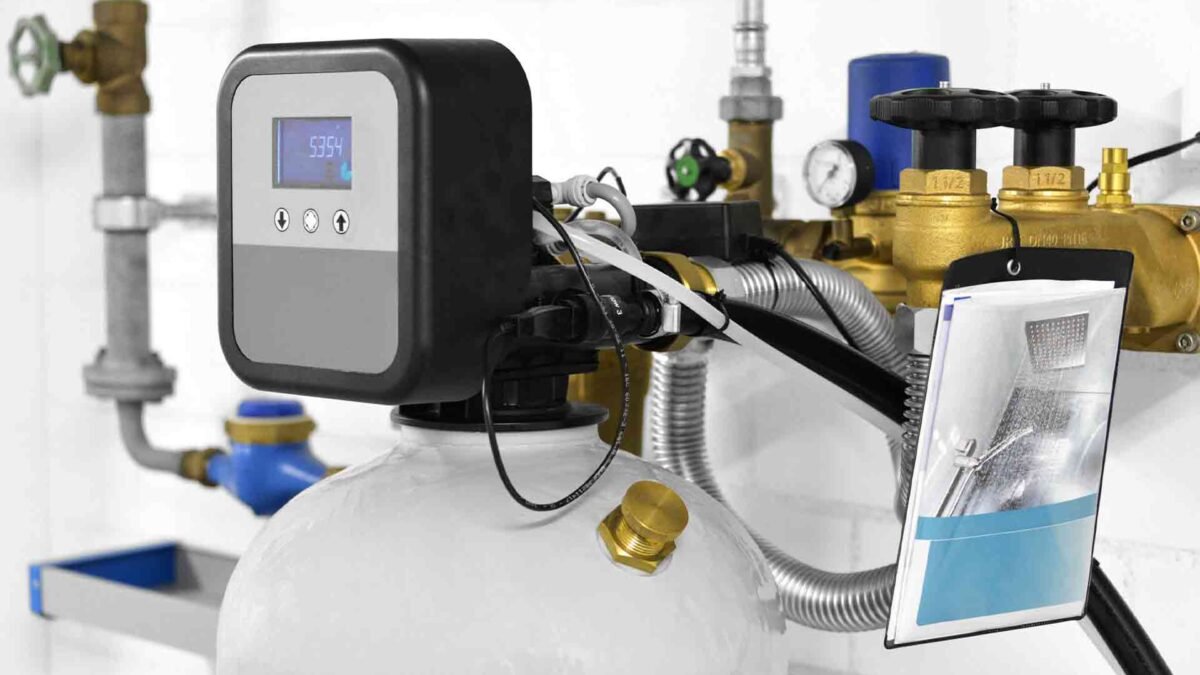
Some homes use a combination of systems. A water softener might address excessive hardness, while a whole-home filter handles another concern and a reverse osmosis unit provides treated drinking water at the kitchen sink.
The right setup depends on the water, the household, and how the water is being used.
That’s why starting with information is always better than starting with equipment.
Better Water Is an Everyday Upgrade
The best home improvements are not always the ones that make the biggest visual impact.
Sometimes they’re the quiet upgrades that improve ordinary routines. Better-tasting coffee in the morning. A reusable bottle filled before work. Less reliance on packaged water. More confidence in the water used for cooking.
A properly chosen and maintained reverse osmosis system can offer those benefits when it fits the needs of the household.
The process doesn’t need to be complicated. Start by paying attention to your water. If you notice changes or have concerns, consider appropriate testing. Understand the results, then choose treatment based on the actual problem.
In the end, good water treatment is less about buying the most complicated machine and more about making an informed decision.
Because water is something you use every single day. When it tastes better, works better for your household, and gives you greater confidence at the tap, you feel the difference—not once in a while, but in all those small moments that make up everyday life.

Admin
A contributor to Blognary’s independent wall of business, technology, finance and marketing perspectives.
VIEW ALL ARTICLES