Most people don’t wake up thinking about their water system. It’s just there — running quietly in the background, doing its job without much attention. You turn the tap, fill a glass, take a shower, and move on with your day.
But the moment something feels slightly off, everything changes.
Maybe the water starts tasting a bit different. Maybe soap doesn’t lather like it used to. Or there’s that annoying white residue on faucets that keeps coming back no matter how much you clean.
That’s usually when homeowners start realizing: water isn’t just “water.” It’s a system. And when that system changes, the entire home feels it.
When Water Stops Feeling “Right”
The tricky part about water issues is how slowly they develop. Nothing breaks loudly. Nothing stops suddenly.
Instead, things drift.
Water pressure drops just a little. Glassware starts coming out cloudy. Skin feels drier after showers, but you blame the weather. Appliances start working harder without obvious signs.
And because the changes are gradual, most people adjust without noticing what’s really happening.
This is why so many homes end up dealing with bigger issues later — the early signs were there, just easy to ignore.
Why Installation Matters More Than People Think
A lot of homeowners assume water systems are all about the product itself. But the truth is, setup matters just as much as equipment quality.
A poorly handled installation can affect performance for years without being obvious at first. Small mistakes in flow direction, pressure balance, or connection points can slowly reduce efficiency.
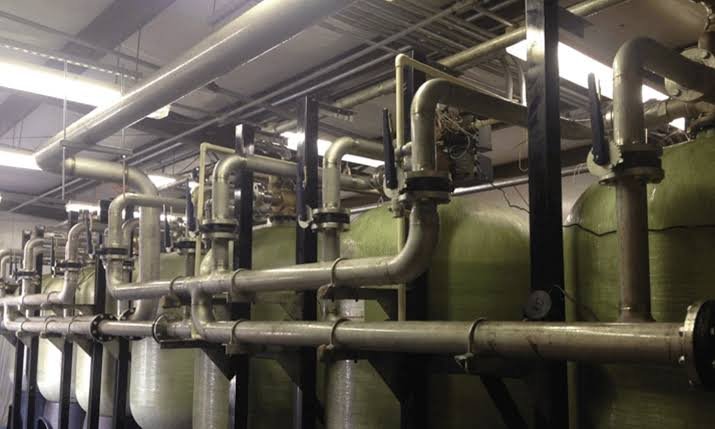
That’s why professional water treatment system installation is so important. It’s not just about putting equipment in place — it’s about making sure everything works together as a system from day one.
When installed properly, everything feels seamless. Water flows consistently, appliances last longer, and maintenance becomes far less stressful over time.
But when it’s rushed or done without proper understanding, problems tend to show up slowly… and usually at the worst possible time.
The Everyday Impact of Hard Water
If there’s one issue most homeowners eventually notice, it’s hard water.
At first, it doesn’t seem like a big deal. A little scaling on taps. Slightly stiff laundry. Soap that doesn’t feel as effective as it should.
But over time, those small inconveniences build up.
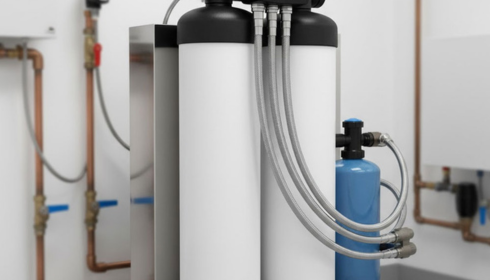
This is where water softeners quietly make a huge difference. They reduce mineral content in water, which helps prevent buildup in pipes, appliances, and fixtures.
The change isn’t dramatic overnight. It’s more of a gradual improvement — showers feel smoother, cleaning becomes easier, and appliances don’t struggle as much.
People often say they didn’t realize how much hard water affected their home until after it was fixed. And that’s usually the moment it clicks.
Drinking Water That Actually Tastes Clean
There’s something oddly personal about drinking water. You notice it more than you expect.
If it tastes off, everything else feels questionable — coffee, tea, cooking, even ice cubes.
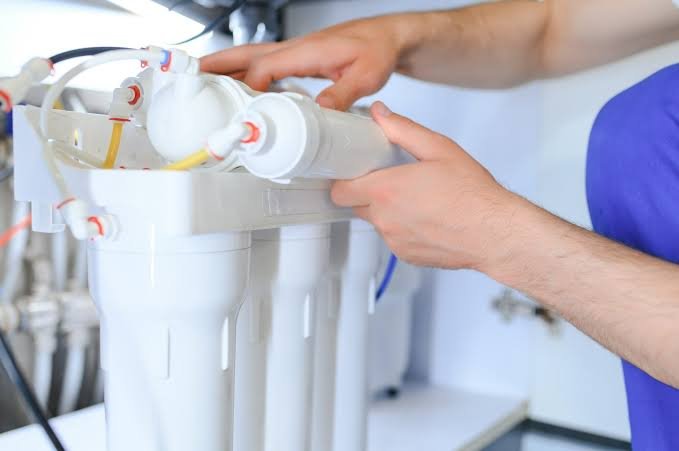
That’s why many households eventually turn to reverse osmosis systems for drinking water improvement. These systems are designed to remove a wide range of impurities, leaving water that feels noticeably lighter and cleaner.
The difference is subtle at first sip, but once you get used to it, going back to untreated tap water doesn’t feel the same anymore.
It’s one of those upgrades that quietly improves daily life without needing constant attention or explanation.
Maintenance Is What Keeps Everything Steady
Here’s something people don’t always realize: water systems don’t fail suddenly most of the time. They decline slowly.
Filters clog bit by bit. Efficiency drops gradually. Small imbalances grow over time until performance noticeably changes.
That’s why regular care matters so much.
Even a simple check once in a while can prevent bigger issues later. It’s less about fixing problems and more about stopping them from growing in the first place.
And honestly, most water systems don’t need constant attention — just consistent, timely upkeep.
The Emotional Side of Clean Water
Water might seem purely functional, but it affects comfort in ways people rarely talk about.
A good shower after a long day feels different when the water is soft and steady. Cooking feels easier when water doesn’t leave behind odd flavors. Even cleaning becomes less frustrating when surfaces stay clearer for longer.
It’s not just about health or plumbing — it’s about how a home feels to live in.
When water quality is good, everything else feels more balanced. When it’s not, even small daily tasks start feeling slightly off.
Small Problems Always Start Small
One of the biggest mistakes homeowners make is assuming minor issues can wait.
A slight drop in pressure? Not urgent. A bit of scale buildup? Manageable. A faint taste change? Probably temporary.
But water systems don’t reset themselves.
Small issues slowly build into larger ones. Pipes get strained. Appliances work harder. Efficiency drops without obvious warning.
And by the time the problem feels serious, it’s usually been developing for a while already.
Why Consistency Matters More Than Fixes
The real key to a healthy water system isn’t reacting fast — it’s staying consistent.
Routine checks, timely filter changes, and proper installation all work together to keep things stable. It’s not complicated, but it does require a bit of awareness.
Most homeowners who stay ahead of issues don’t deal with emergencies nearly as often. Not because their systems are perfect, but because they’re maintained before problems escalate.
Final Thoughts
Water is one of those things that quietly supports everything in a home, yet rarely gets attention until something feels wrong.
The good news is that most issues don’t appear suddenly — they build slowly, giving plenty of time to notice and correct them.
With proper installation, simple maintenance habits, and the right systems in place, water becomes something you don’t have to think about at all.
And that’s really the goal.
Because when everything is working the way it should, water just flows — clean, steady, and unnoticed in the background of everyday life.

Admin
A contributor to Blognary’s independent wall of business, technology, finance and marketing perspectives.
VIEW ALL ARTICLES