There’s something oddly comforting about pouring a glass of cold water late at night. No noise, no effort — just a simple everyday thing most of us barely think about. But lately, more homeowners are paying attention to what’s actually coming out of their taps, and honestly, it’s probably overdue.
Water used to feel straightforward. You turned on the faucet and trusted the system behind it. Now, conversations around water quality seem to happen everywhere — at dinner tables, in home improvement forums, even casually between neighbors comparing filter systems.
And the reason is pretty simple: people want to feel confident about what they’re drinking every day.
Water Touches Nearly Every Part of Daily Life
We often think about water only when we’re thirsty, but it quietly influences so much more than hydration.
It affects coffee flavor in the morning. The way pasta cooks. The taste of soup simmering on the stove during winter evenings. Even something as ordinary as brushing your teeth can feel different depending on water quality.
That’s why access to clean drinking water matters in ways people sometimes underestimate. It isn’t just about safety headlines or health concerns. It’s also about comfort, routine, and trust in the little things that happen constantly throughout the day.
And when water tastes fresh and clean, people naturally drink more of it without even trying.
The Small Signs People Start Noticing
For many homeowners, concern about water doesn’t begin with a dramatic event. It usually starts with small observations.
Maybe the water smells faintly chemical after heavy rain. Maybe the ice cubes taste strange. Maybe there’s residue building up around faucets, or the kettle develops scale faster than expected.
Sometimes it’s simply the feeling that something seems “off,” even if the water technically meets local standards.
That uncertainty has led more families to learn about common contaminants that can appear in household water supplies. Depending on the region, these might include excess minerals, sediment, chlorine byproducts, rust from aging infrastructure, or naturally occurring substances from groundwater sources.
Not every issue is dangerous, of course. But many homeowners still prefer reducing unwanted particles and improving overall taste whenever possible.
Why Bottled Water Became So Common
For years, people solved water concerns the easiest way they knew how — by buying bottled water.
At first, it felt practical. Cases stacked neatly in the garage. Cold bottles ready in the refrigerator. No worrying about strange tastes or odors from the tap.
But eventually, the downsides become hard to ignore.
Plastic waste piles up quickly. Grocery costs quietly increase month after month. Carrying heavy packs inside becomes annoying faster than most people admit. And ironically, many bottled brands use filtered municipal water anyway.
That realization has pushed many homeowners toward more permanent solutions instead of relying entirely on disposable plastic bottles.
Home Filtration Has Become More Practical
The good news is that modern water filtration systems are far easier to live with than older generations of equipment.
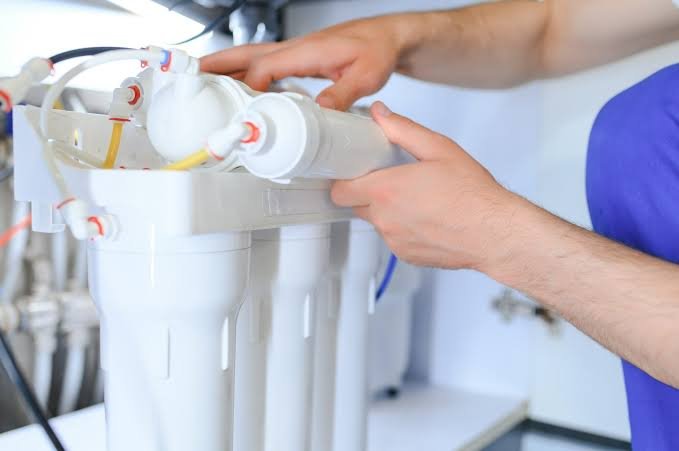
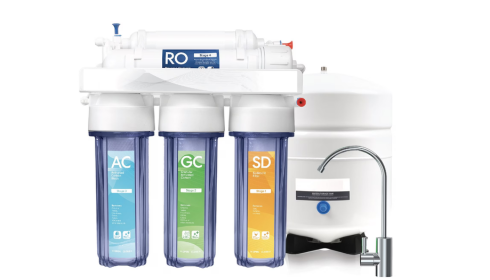
Years ago, filtration systems often seemed bulky, complicated, or overly expensive. Today, many setups are compact enough to fit beneath a sink while quietly improving taste and reducing unwanted particles behind the scenes.
And honestly, convenience matters.
People don’t want complicated maintenance routines. They simply want reliable water that tastes good and feels trustworthy. Modern systems are increasingly designed with that mindset in mind — less hassle, more consistency.
Some homeowners install basic carbon filters mainly to improve flavor. Others choose more advanced purification systems depending on local water conditions. It really depends on the specific concerns in a particular area.
Better Water Quietly Changes Everyday Habits
One of the most interesting things about improving water quality is how naturally daily habits begin to shift afterward.
Kids refill reusable bottles more often. Guests stop asking for canned drinks because the tap water actually tastes refreshing. Coffee becomes smoother without needing extra syrups or sweeteners. Even pets sometimes seem more eager to drink from their bowls.
These aren’t life-changing moments in some dramatic sense. They’re smaller than that. But they add up.
And maybe that’s why homeowners often describe better water as something they “notice less” over time. Once the weird tastes, odors, or frustrations disappear, water simply fades back into the background where it belongs.
Water Quality Depends on Where You Live
One thing worth remembering is that no two homes have exactly the same water conditions.
A rural property using well water faces completely different challenges than an apartment connected to city infrastructure. Some areas struggle mainly with hard minerals. Others deal with chlorine-heavy treatment or sediment from aging pipes.
That’s why testing water before choosing a filtration system usually makes more sense than blindly buying whatever happens to be popular online.
Understanding the actual condition of your water allows homeowners to solve real problems rather than imaginary ones.
A Simple Upgrade That Affects the Whole Home
At the end of the day, improving household water isn’t really about chasing perfection. Most people aren’t looking for laboratory-grade purification systems or luxury upgrades.
They just want water that tastes clean, feels reliable, and supports healthier daily routines without constant frustration.
And honestly, that’s a pretty reasonable goal.
Because water isn’t just another utility flowing through pipes. It’s part of nearly every meal, every morning routine, every family dinner, and every quiet moment at home. When the quality improves, life at home tends to feel a little smoother too — not dramatically, but consistently.

Admin
A contributor to Blognary’s independent wall of business, technology, finance and marketing perspectives.
VIEW ALL ARTICLES