Most people don’t think much about door hardware until they use something noticeably better.
That’s usually how it happens. You visit a hotel, a newly renovated office, or a friend’s home, and suddenly the entrance feels smoother somehow. Cleaner. Easier to use. The door opens effortlessly, locks quietly, and somehow makes the whole space feel more modern without screaming for attention.
Then you come home and realize your own front door feels clunky by comparison.
It’s funny how the smallest details can shape daily experience so much.
Lately, homeowners have started paying closer attention not only to doors themselves but also to the hardware attached to them. And honestly, it makes sense. Hardware is one of the few parts of a home you physically interact with every single day.
Modern Homes Are Becoming More Thoughtful
Design trends have shifted a lot over the last decade. Homes used to focus heavily on decoration — ornate finishes, oversized trim, complicated details everywhere. Now, people seem drawn toward cleaner spaces and quieter functionality.
That doesn’t mean homes feel cold or minimalist in the harsh sense. Quite the opposite, actually. The best modern spaces feel comfortable because everything works naturally together.
Door hardware has followed the same direction.
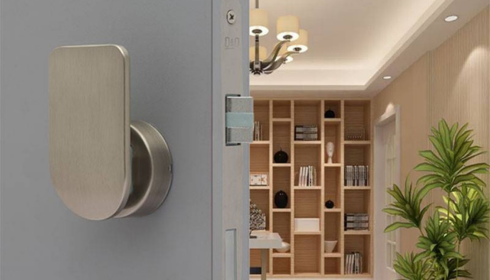
Instead of bulky knobs and overly traditional fixtures, many homeowners are choosing sleek handles, concealed locking systems, and simplified hardware designs that blend into the architecture more smoothly.
One feature gaining serious popularity lately is the push pull lock system. At first glance, it seems like a small upgrade. But after using one regularly, the convenience becomes surprisingly noticeable.
The motion feels intuitive. Push when leaving. Pull when entering. No awkward twisting or fumbling, especially when your hands are full of groceries, coffee cups, or kids’ backpacks.
Tiny improvement? Sure. But daily life is made up of tiny moments.
Hardware Is No Longer Just Functional
There was a time when door hardware existed purely to serve a purpose. Open. Close. Lock. Done.
Now, it’s become part of the overall design language of a home.
The finish of a handle, the texture of metal, the length of a vertical pull bar — these details influence the atmosphere of an entryway more than people initially realize. Just like lighting or flooring, hardware contributes to the emotional feel of a space.
That’s why push pull hardware has become so common in newer homes and renovations. It offers both practicality and visual simplicity. Long vertical handles create cleaner lines across the entrance, especially on oversized modern doors.
And because the hardware itself becomes part of the architecture, entrances often feel more polished without becoming overly decorative.
A friend recently renovated his home using matte black pull handles paired with a warm wood-and-glass front door. The hardware looked almost too simple in photos, honestly. But in person, the entrance felt incredibly refined. Balanced. Intentional.
That’s usually the difference good design makes. It doesn’t demand attention. It quietly improves the experience.
Technology Is Changing the Way We Enter Our Homes
Another major shift happening in home design is the integration of smarter technology into everyday routines.
A few years ago, people treated home automation as a luxury or novelty. Now it’s becoming normal. Thermostats adjust automatically. Lights respond to schedules. Cameras send phone notifications. Garage doors open remotely.
Naturally, front doors evolved too.
The modern smart lock has become increasingly popular because it solves real everyday frustrations. No more hiding spare keys under flowerpots. No more locking yourself out while grabbing the mail. No more wondering whether you remembered to lock the front door before leaving town.
Some systems allow fingerprint access. Others use mobile apps, keypad entry, or temporary guest codes for deliveries and visitors.
And honestly, convenience aside, many homeowners simply enjoy the peace of mind.
Of course, not every smart lock is perfect. Some cheaper systems can feel unreliable or overly complicated. But quality products have improved dramatically in recent years, especially when paired with solid door construction and professional installation.
Good Hardware Improves Comfort in Subtle Ways
One thing people often overlook is how much physical interaction affects comfort at home.
You notice when a handle feels loose. You notice when a deadbolt sticks in humid weather. You notice when a door closes loudly enough to wake someone upstairs.
Over time, those tiny annoyances accumulate.
That’s why thoughtfully chosen hardware matters more than aesthetics alone. Good systems feel smooth, stable, and dependable every single day without drawing attention to themselves.
And because front entrances get constant use, durability becomes especially important.
A beautifully designed door loses some of its charm pretty quickly if the hardware starts failing after a year or two.
The Best Upgrades Often Feel Invisible
There’s an interesting pattern with home improvements: the best ones often disappear into daily life after a while.
Not because they stop mattering, but because they become effortless.
A smooth entry system. Quiet locking hardware. A smart lock that works reliably every morning. These things quietly improve routines without requiring attention afterward.
And maybe that’s what homeowners are really searching for now — not flashy gadgets or trend-heavy designs, but homes that simply feel easier and more comfortable to live in.
That comfort comes from hundreds of little details working together properly.
In the end, door hardware may seem like a small piece of home design, but it shapes everyday experience more than people expect. Every arrival. Every departure. Every ordinary moment passing through the entrance becomes slightly smoother when the right systems are in place.
And honestly, those small improvements tend to matter the most over time.

Admin
A contributor to Blognary’s independent wall of business, technology, finance and marketing perspectives.
VIEW ALL ARTICLES