Most people don’t think much about their home water setup until something suddenly stops working the way it should. Maybe the water pressure changes a little. Maybe the filtered water starts tasting different. Or maybe there’s that faint realization one morning that the system hasn’t been serviced in… honestly, who even remembers?
It’s funny how water systems work quietly in the background for years without asking for much attention. When everything is running properly, nobody really notices. But the moment performance slips, even slightly, daily routines feel off almost immediately.
That’s why maintaining modern filtration systems has become more important than many homeowners originally expected. Clean water isn’t only about installing the right equipment — it’s also about keeping that equipment functioning efficiently over time.
Water Systems Aren’t “Install and Forget”
There’s a common assumption that once a filtration unit or softener is installed, the job is basically done forever. In reality, most systems require occasional upkeep to stay effective.
Filters wear out. Valves age. O-rings loosen. Mineral buildup happens gradually inside components people never even see. It’s normal maintenance, honestly, not a sign that something is wrong.
The problem is that homeowners often ignore these details until performance noticeably declines. By then, the system may already be working much harder than necessary.
Modern water treatment systems are generally built to last, but like any home equipment, they depend on regular care. A little attention every now and then can extend system life significantly while keeping water quality consistent throughout the house.
And compared to the cost of replacing major plumbing or appliances damaged by untreated water, routine maintenance tends to be surprisingly affordable.
Why Small Components Matter More Than People Think
When people hear the phrase “system maintenance,” they often picture large repairs or complicated service appointments. But many of the most important updates are actually pretty simple.
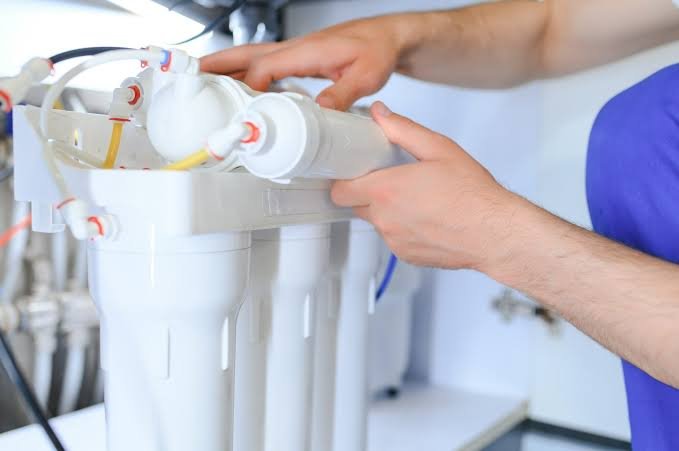
Changing cartridges. Replacing seals. Cleaning membranes. Swapping out worn fittings. These are small tasks individually, yet together they keep systems operating the way they were designed to.
That’s where quality replacement parts become important. Using properly matched components helps maintain both efficiency and reliability over time. Cheap generic parts sometimes seem tempting, especially online, but they don’t always fit correctly or perform consistently.
And unfortunately, water systems aren’t very forgiving when poorly fitted parts create leaks or pressure issues.
A well-maintained system with the correct components often lasts years longer than one patched together with whatever happened to be cheapest at the moment.
Homeowners Are Becoming More Water-Conscious
There’s been a noticeable shift recently in how homeowners think about water overall. People care more about what they drink, cook with, and bathe in. Water quality has become part of broader conversations around health, comfort, and home maintenance.
But alongside that awareness comes another realization: filtration systems need occasional support to continue performing well.
Think about it this way. Nobody expects a car to run forever without changing oil or replacing worn tires. Water systems work similarly. They don’t demand constant attention, but they do need periodic care.
The good news is that modern systems are far easier to maintain than older generations. Many units now include monitoring features or simplified filter replacement designs that make upkeep manageable even for homeowners without technical experience.
The Right Accessories Can Improve Daily Convenience
One thing that surprises many homeowners is how much convenience matters after a filtration system has been installed. Once people get used to cleaner water, they often start looking for ways to make the system even easier to live with.
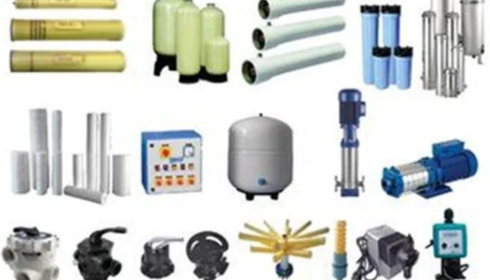
Simple accessories can make a surprisingly big difference here. Extra faucet options, monitoring tools, leak detectors, protective covers, storage tanks, and pressure gauges all help systems operate more smoothly while improving user experience.
None of these upgrades sound particularly exciting on paper. Yet they often remove small frustrations homeowners didn’t even realize bothered them.
And honestly, that’s usually the best kind of home improvement — the kind quietly making life easier in the background.
Preventative Maintenance Saves More Than Money
Most conversations about system maintenance focus on financial savings, and yes, that’s definitely part of it. Appliances last longer. Plumbing stays cleaner. Repairs happen less often.
But there’s another side people don’t mention enough: peace of mind.
There’s comfort in knowing the water flowing through your home is being handled properly. You’re not wondering whether filters are overdue for replacement or whether performance has declined without noticing.
Routine maintenance creates consistency. And consistency matters with something families use every single day.
That’s especially true in households with children, older plumbing systems, or hard water conditions that place additional strain on filtration equipment.
Better Water Is Really About Everyday Comfort
At the end of the day, most homeowners don’t invest in filtration systems because they’re fascinated by plumbing technology. They do it because they want their homes to feel healthier, cleaner, and easier to maintain.
The interesting part is how much those systems rely on small details to keep delivering that comfort over time.
Fresh filters. Proper fittings. Reliable parts. Simple maintenance. These aren’t glamorous topics, but they’re the reason water systems continue working quietly year after year.
And maybe that’s the bigger lesson here. The best home systems aren’t the ones demanding constant attention. They’re the ones doing their job so smoothly that you barely think about them at all.
Until one day you visit another home, notice the difference in the water immediately, and suddenly appreciate your own setup all over again.

Admin
A contributor to Blognary’s independent wall of business, technology, finance and marketing perspectives.
VIEW ALL ARTICLES