Water problems don’t always announce themselves loudly. There’s usually no big warning sign, no dramatic moment where the tap suddenly says, “Hey, you should probably look into this.” It’s quieter than that. A smell you notice while filling a glass. A cloudy film on dishes. Orange stains near the drain. Dry skin after a shower. The kettle collecting scale faster than it should.
At first, these things feel like random annoyances. Maybe the dishwasher is old. Maybe the bathroom cleaner isn’t strong enough. Maybe bottled water is just easier. But after a while, patterns start to appear, and it becomes obvious that the water running through the home may be part of the problem.
Why Water Quality Varies So Much
No two homes have exactly the same water situation. Municipal water, well water, older pipes, local minerals, seasonal changes — they can all affect what comes out of the tap. Even homes in the same area can experience different issues depending on plumbing, fixtures, and household usage.
That’s why proper water solutions should begin with understanding the actual water, not guessing. A system that works beautifully for one home may not be right for another. Some houses need help with hardness. Others need filtration for taste, odor, sediment, or staining. The best solution is the one that matches the real problem.
And honestly, that’s where a lot of frustration can be avoided.
Common Signs of Water Trouble
Water issues often show up in everyday routines. Bad-tasting water can make people avoid drinking from the tap. Hard water can leave white marks on glass, faucets, and shower doors. Iron may cause orange or reddish stains in sinks and toilets. Sulfur can create that unpleasant rotten-egg smell nobody wants in the kitchen or bathroom.
Sometimes the signs are less obvious. Laundry may feel rough. Soap may not lather properly. Appliances may start working harder. Coffee may taste flat or strange. These are small details, but when they happen again and again, they point to something worth checking.
What People Mean by Problem Water
The phrase problem water usually refers to water that creates ongoing issues in the home. It may not always be unsafe, but it can be unpleasant, inconvenient, or damaging over time. Hardness, odor, discoloration, sediment, chlorine taste, iron, and scale buildup are all common examples.
The tricky part is that water can look clear and still have problems. That’s why taste, smell, staining, and appliance performance matter. They’re clues. A proper water test can confirm what’s going on and help identify the best way to treat it.
Guessing can lead to wasted money. Testing gives you direction.
Why the Right System Matters
There are many products on the market, from small pitcher filters to whole-home equipment. But not every product is designed for every issue. A filter that improves taste may not soften hard water. A softener may not remove certain odors. A basic sediment filter may not solve mineral staining.
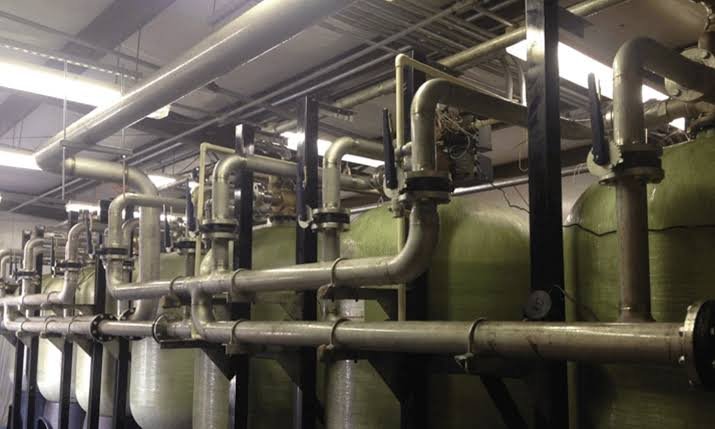
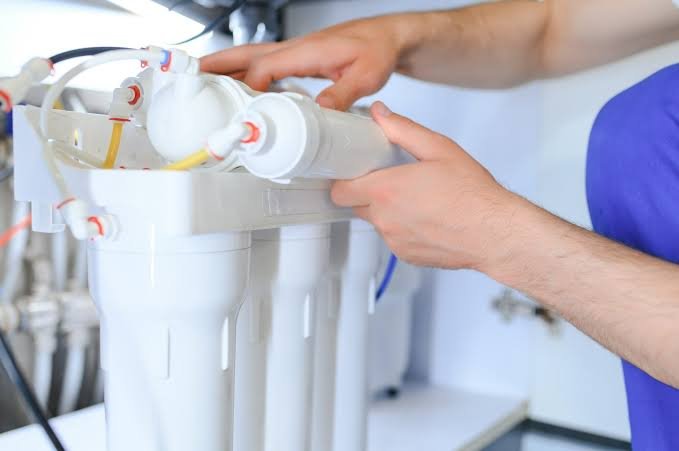
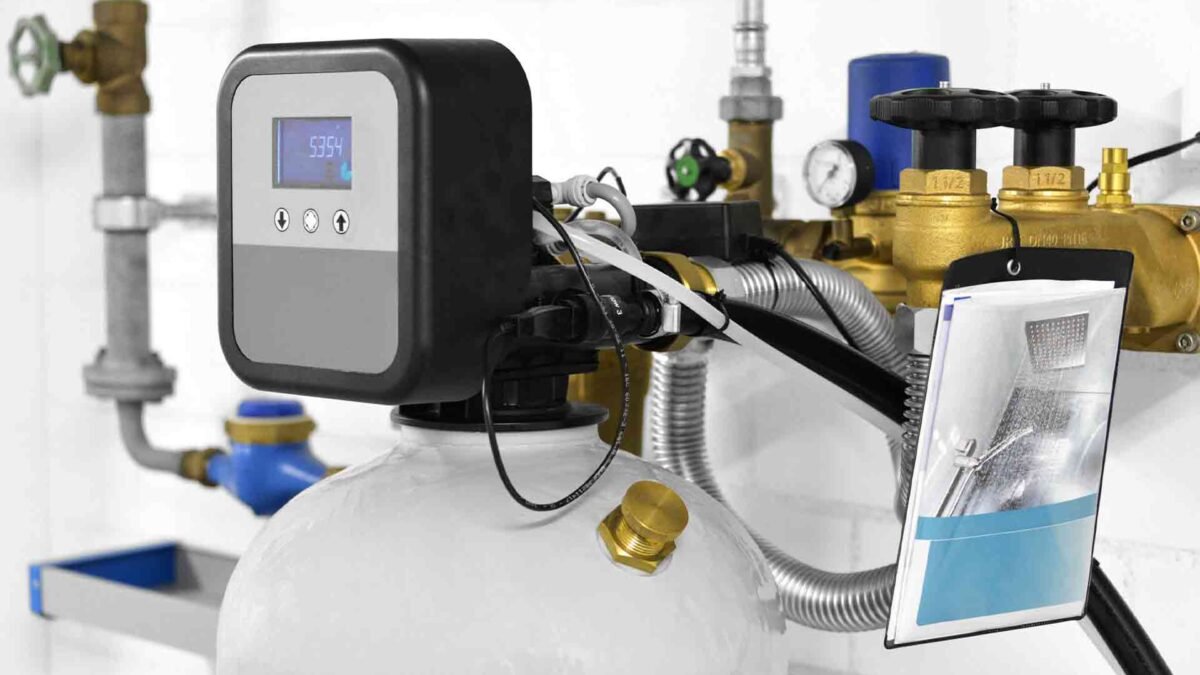
Professional treatment systems are selected based on what the water actually needs. This may include water softeners, carbon filters, sediment filters, reverse osmosis units, iron filters, or a combination of solutions. The goal is not just to install equipment, but to solve the problem clearly and consistently.
When the right system is in place, the difference can feel surprisingly personal.
The Benefits You Notice Every Day
Better water can improve a home in ways that are easy to appreciate. Drinking water may taste fresher. Showers may feel cleaner. Soap may rinse more easily. Laundry may come out softer. Fixtures may stay cleaner for longer. Appliances may deal with less buildup and stress.
These improvements are not always flashy. Nobody brags about fewer water spots at dinner parties. But when you’re the person cleaning the sink or replacing appliances, those small improvements matter.
There’s also peace of mind. When you know your water has been tested and treated properly, you stop wondering whether that smell, stain, or strange taste is something you just have to live with.
Maintenance Should Be Part of the Plan
A good water system should be practical, not complicated. Filters may need changing. Some systems may need salt. Others may require occasional service or inspection. That’s normal.
What matters is knowing what maintenance is required and keeping up with it. A well-maintained system performs better and lasts longer. It also prevents small water issues from slowly returning unnoticed.
A reliable provider should explain everything clearly, without making homeowners feel lost in technical terms.
Better Water Makes Home Life Easier
Water is used too often to ignore. It touches meals, showers, laundry, cleaning, appliances, pets, plants, and daily comfort. When the water is poor, the whole home feels a little harder to manage. When it’s improved, life simply runs smoother.
Solving water problems is not about chasing luxury. It’s about removing small frustrations from everyday living. Cleaner taste, fewer stains, softer laundry, better appliance performance, and more confidence at the tap — these are practical improvements that add up.
In the end, your water may be telling you something. The smartest move is to listen before the small signs turn into bigger headaches.

Admin
A contributor to Blognary’s independent wall of business, technology, finance and marketing perspectives.
VIEW ALL ARTICLES