Every major cleanup begins with a plan. At least, that’s how it usually goes in your head. Then demolition starts, the garage gets emptied, or an old property is cleared, and suddenly there’s a mountain of debris sitting where your neatly organized plan used to be.
Old furniture, broken drywall, flooring, cardboard, cabinets, lumber, and general junk can accumulate remarkably fast. Making repeated trips to a disposal facility isn’t always practical, especially when you’re already spending your time doing the actual work.
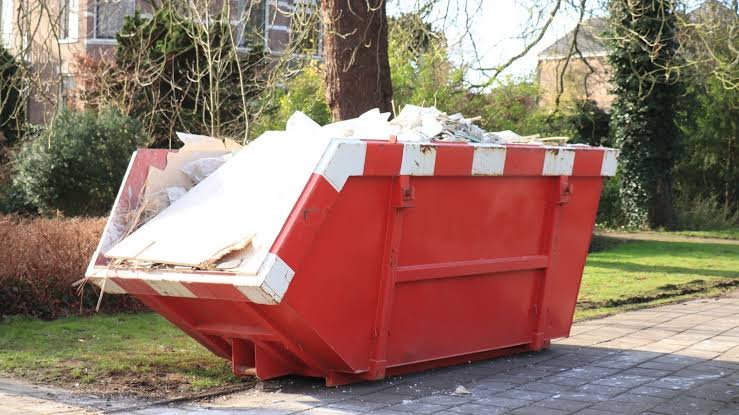
That’s where dumpster rental services can be useful. Having a container delivered directly to your property gives you a convenient place to collect waste throughout the project. It’s straightforward, but sometimes straightforward is exactly what you need.
Why Renting a Dumpster Can Be Worth It
The biggest advantage is convenience.
Instead of loading debris into a truck every morning and driving somewhere to dispose of it, you can place waste directly into the dumpster as you work. When the project is finished, the provider typically handles removal.
That can save more than fuel. Think about the hours spent loading, driving, waiting, unloading, and coming back again. If you’re working with contractors, those extra hours can also become labor costs.
A dumpster can help keep the worksite cleaner at the same time. Fewer debris piles mean fewer obstacles around the property, which is particularly useful when several people are working in the same area.
Residential Projects Need Practical Solutions
Home improvement projects don’t always create a huge amount of waste, but they can create bulky, awkward debris that’s difficult to handle with ordinary trash collection.
A residential dumpster rental can be useful for projects such as garage cleanouts, basement decluttering, kitchen renovations, bathroom remodeling, flooring replacement, and moving-related cleanups.
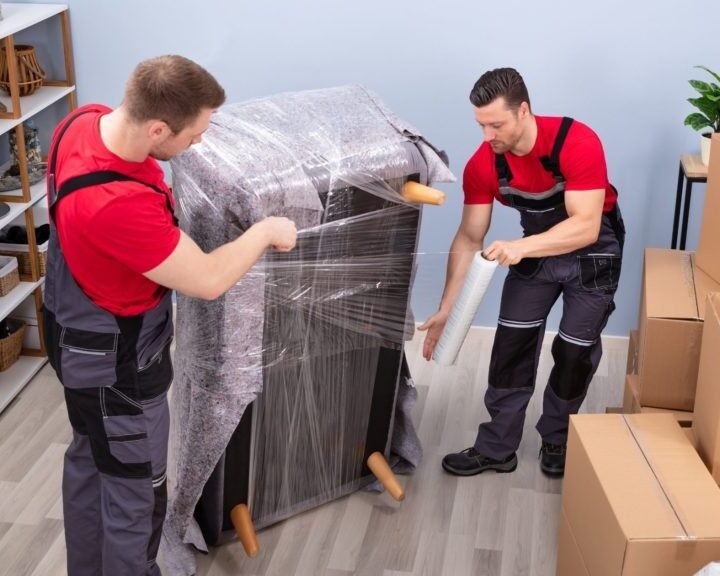
It can also help when you’re preparing a property for sale or clearing out an inherited home. These situations often involve more than just a few garbage bags. Old furniture, carpeting, shelving, boxes, and miscellaneous belongings can quickly fill a pickup truck.
Having a dedicated container lets you work room by room instead of constantly stopping to figure out where each unwanted item should go.
Commercial Work Often Produces More Waste
Businesses have their own cleanup challenges. Office renovations, retail remodeling, warehouse cleanouts, and construction projects can generate large amounts of material in a relatively short time.
A commercial dumpster rental gives businesses a more organized way to manage that waste while work continues.
For a commercial project, planning becomes particularly important. Consider how much debris you’ll generate each day, where the container can be placed, and how frequently it may need to be emptied or exchanged.
If the project has a strict deadline, delays in waste removal can affect the entire schedule. Talking to the dumpster provider before work begins can help you build disposal into the overall project plan.
Choosing the Right Dumpster Size
Size is one of the first things you’ll need to consider.
Dumpsters are generally measured in cubic yards, and options can range from smaller containers for basic cleanouts to much larger units for construction and commercial work.
Don’t choose a size based solely on what you see on the first day. Think about the entire project.
A bathroom renovation might produce a modest amount of debris, while remodeling an entire home could generate several times as much. Removing cabinets, flooring, drywall, fixtures, and other materials adds up quickly.
If you’re unsure, describe the project to the rental company. Explain what you’re throwing away and approximately how much material you expect. They can often recommend a suitable container based on experience.
Pay Attention to Weight Limits
A dumpster can have plenty of empty space and still be too heavy to transport safely.
Dense materials such as concrete, bricks, dirt, asphalt, and some roofing materials can reach weight limits quickly. That’s why it’s important to tell the provider what you’re disposing of before the container arrives.
Ask about the included weight allowance and what happens if you exceed it. Some providers charge additional fees, while certain heavy materials may have specific disposal requirements.
Knowing this information upfront can save you from an unpleasant surprise when the project is finished.
What Can and Can’t Go Inside?
Never assume that everything belongs in a dumpster.
Common household and renovation materials such as furniture, wood, drywall, flooring, cardboard, and general debris are often accepted. However, prohibited materials vary by provider and location.
Certain chemicals, batteries, tires, hazardous materials, paints, and electronics may require separate disposal.
If you’re unsure about an item, ask before throwing it in. A quick question is much easier than dealing with a rejected load or additional disposal charges later.
Think Carefully About Placement
Where the dumpster sits can make a surprising difference.
The delivery truck needs enough room to reach the property and position the container. Check for low tree branches, utility wires, gates, fences, parked cars, and narrow driveways.
The surface should also be stable. A level driveway is often convenient, but make sure it can accommodate the container safely.
If the dumpster needs to sit on a public street, check whether your local authority requires a permit. Rules vary, so it’s best to confirm before delivery day.
Make the Most of the Space
Good loading habits can help you get more value from your rental.
Break down bulky furniture and boxes when possible. Place heavier debris toward the bottom and distribute it rather than creating one heavy pile on one side.
Don’t allow material to stick above the top of the dumpster. Overfilled containers can create transportation hazards and may need to be corrected before pickup.
It’s also wise to keep the area around the dumpster clear. Loose debris shouldn’t become another problem while you’re trying to solve the first one.
Ask Questions Before You Book
A few simple questions can prevent a lot of confusion.
Ask how long the rental lasts, what the delivery and pickup process involves, which materials are prohibited, what the weight limit is, and whether you can extend the rental if your project takes longer.
Also ask about all potential charges. A clear understanding of the total cost is much better than discovering additional fees after the container has already been removed.
Good communication isn’t a luxury when you’re coordinating a project. It can save time and frustration.
A Dumpster Is More Than Just a Container
The right dumpster doesn’t make a renovation or cleanup effortless. There will still be dust, heavy lifting, unexpected delays, and probably a moment when you wonder why you decided to tackle the project in the first place.
But it can remove one major headache: figuring out what to do with all the waste.
With the right size, sensible placement, clear rental terms, and a little planning, dumpster rental can keep your project moving and your property considerably less cluttered.
And once the final piece of debris goes into the container, there’s something satisfying about seeing the space clear again. The job may not have been easy, but at least the mess finally has somewhere to go.

Admin
A contributor to Blognary’s independent wall of business, technology, finance and marketing perspectives.
VIEW ALL ARTICLES