Most homeowners don’t think much about water testing until something starts to feel a little off. Maybe the tap water tastes strange one morning. Maybe there’s a faint smell near the sink. Maybe a family member keeps asking why the ice cubes taste weird. And then suddenly, something that used to feel automatic — filling a glass of water — becomes a small question mark.
That’s the thing about water. We use it constantly, but we don’t always understand what’s in it. It can look perfectly clear and still carry minerals, chemicals, sediment, or other substances that affect taste, smell, safety, and household comfort.
The good news is that getting answers doesn’t have to be complicated. With the right testing process, homeowners can move from guessing to knowing.
Why Water Testing Matters More Than People Think
Water problems can be confusing because they don’t always show themselves clearly. A bad taste could come from chlorine, dissolved solids, old plumbing, or something else entirely. Cloudy water may be harmless air bubbles, or it may point to particles in the supply. A metallic taste might suggest iron, copper, or another source that needs attention.
That’s why a simple, guided approach like go simple lab can be useful for homeowners who want clarity without turning the process into a science project. The idea is straightforward: collect the water properly, have it tested, and use the results to understand what is actually happening.
Testing is especially important for homes with wells, older plumbing, recurring stains, unusual smells, or drinking water concerns. But even city-water homes can benefit from a closer look, especially when taste or comfort changes.
Clear Water Can Still Carry Hidden Issues
A glass of water can look clean and still contain things you cannot see. That surprises people sometimes. We tend to trust our eyes first, but water quality is not always visible.
Minerals, disinfectants, metals, nitrates, sulfates, bacteria, and dissolved solids may not change the appearance of water right away. Some affect taste. Some affect plumbing. Some may require more serious attention depending on the levels found.
This is where certified lab testing becomes valuable. Instead of relying on smell, colour, or guesswork, lab testing gives measured results. It helps separate minor nuisance issues from concerns that may need treatment. That distinction matters because not every water problem requires the same response.
A proper lab report can also help homeowners avoid wasting money on the wrong filter or system. The results point the way.
How a Water Sample Makes the Process Easier
People sometimes imagine water testing as something inconvenient, involving appointments, complicated forms, or technical equipment. In reality, many testing processes are designed to be simple enough for everyday homeowners.
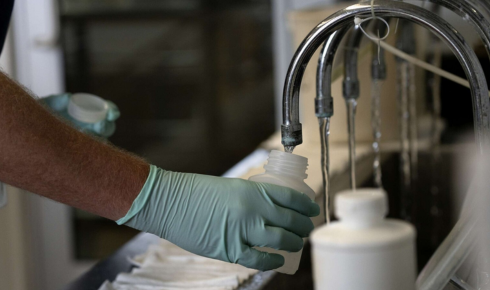
A water sample kit usually gives clear instructions for collecting water from the right location, storing it properly, and sending it for analysis. The quality of the sample matters, because poor collection can affect the results. That’s why following the steps carefully is more important than people realise.
For example, some tests require first-draw water, while others may need flushed water. Some bottles may contain preservatives and should not be rinsed. These details are small, but they help the lab provide accurate findings.
What Testing Can Reveal
Water testing can uncover a wide range of issues. Hardness minerals may explain scale on fixtures and cloudy glasses. Iron can cause rusty stains. Sediment may clog faucet screens or make water look cloudy. Chlorine can affect taste and smell. Low or high pH may influence plumbing. Dissolved solids can change the way water tastes and feels.
For well water, testing may be even more important because private wells are not managed the same way public water systems are. A homeowner may need to check for bacteria, nitrates, metals, or other local concerns. Weather, nearby land use, agriculture, and changes underground can all influence well water over time.
Testing doesn’t mean something is wrong. It simply gives you information. And information is useful when water is part of nearly every daily routine in the home.
Why Guessing Can Get Expensive
A lot of people try to fix water problems by buying the first filter they see online. It’s understandable. Filters are marketed as easy answers, and sometimes they do help. But if the filter does not match the actual problem, the improvement may be limited.
A carbon filter may help with taste and odour, but it won’t solve hard water scale. A softener can reduce hardness, but it won’t remove every contaminant. A sediment filter catches particles, but it won’t necessarily improve dissolved chemicals or minerals.
This is why testing before treatment is usually the smarter path. It prevents guesswork and helps homeowners choose a solution that fits their water, their plumbing, and their household needs.
Turning Results Into a Real Plan
Once the test results come back, the next step is understanding what they mean. A good report should show what was tested, what was found, and whether anything is above recommended levels. Still, numbers alone can feel a little dry. Homeowners often need help translating the findings into practical choices.
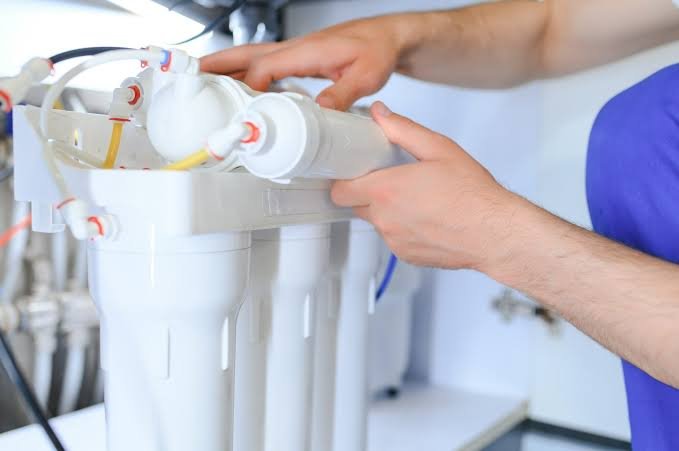
That might mean installing a drinking water system, adding whole-home filtration, correcting pH, treating iron, reducing hardness, or simply monitoring the water over time. Not every result calls for a major system. Sometimes the best answer is small and targeted.
The right provider should explain options clearly. No pressure, no scare tactics, no confusing technical talk just for the sake of sounding impressive.
Better Water Starts With Better Answers
Water is too important to leave to guesswork. It touches cooking, cleaning, bathing, laundry, appliances, pets, plants, and every glass poured at the kitchen sink. When something seems wrong, or when you simply want confidence, testing is a practical first step.
It gives homeowners the facts they need to make calm, informed decisions.
Clean water does not have to feel mysterious. With proper sampling, reliable testing, and clear guidance, you can understand what is in your water and what to do about it. And once those questions are answered, daily life feels a little simpler — the way it should.

Admin
A contributor to Blognary’s independent wall of business, technology, finance and marketing perspectives.
VIEW ALL ARTICLES