Most people don’t think much about water until something feels slightly off. Maybe the tap water starts tasting metallic. Maybe your shower leaves your skin dry no matter how expensive the soap is. Or perhaps you notice stubborn white residue building up around faucets and wonder why cleaning the bathroom suddenly feels like a full-time hobby.
At first, it’s easy to ignore those little signs.
But eventually, homeowners start asking questions. Is the water actually clean? Why does bottled water taste so different? Are appliances wearing out faster because of mineral buildup? And perhaps the biggest question of all — is there a better long-term solution than constantly buying cases of water from the store?
That growing curiosity is exactly why water treatment systems have become a much bigger conversation in recent years.
Water Quality Affects Daily Life More Than We Realize
Water isn’t just something we drink. It’s woven into almost every routine inside the house.
We cook with it, shower in it, wash clothes with it, clean dishes, make coffee, brush our teeth — the list goes on endlessly. So when water quality isn’t ideal, the effects quietly spread across dozens of tiny moments throughout the day.
Sometimes it shows up in obvious ways, like cloudy glassware or dry skin. Other times, it’s subtler. Coffee tastes dull. Laundry feels stiff. Appliances need repairs more often than expected.
That’s why many homeowners are now exploring home water treatment systems designed specifically around the needs of their property rather than relying on temporary fixes.
And honestly, that shift makes sense.
The goal isn’t perfection or fancy technology for the sake of it. Most families simply want water that tastes clean, feels comfortable, and doesn’t create unnecessary headaches around the house.
Bottled Water Isn’t Always the Convenient Solution It Seems
For years, bottled water felt like the easiest answer for people unhappy with their tap water. Buy a few cases, stack them in the garage, and problem solved — at least temporarily.
But over time, those little inconveniences start adding up.
The cost creeps higher than expected. Empty bottles pile up constantly. Someone always forgets to restock. And carrying heavy packs inside after grocery trips gets old surprisingly fast.
That’s one reason homeowners have started looking at filtration systems as a smarter bottled water alternative rather than a luxury purchase.
Once filtered drinking water is available directly from the kitchen tap, daily routines become simpler almost immediately. Reusable water bottles finally get used properly. Families drink more water naturally because it tastes better. Late-night runs to buy bottled water before guests arrive suddenly disappear from the to-do list.
There’s also a psychological comfort that comes with trusting your own tap again. It feels surprisingly freeing once you experience it.
Every Home Has Different Water Challenges
One thing people quickly discover when researching water treatment is that there’s no universal solution.
Some homes deal with hard water loaded with calcium and magnesium. Others struggle with chlorine-heavy municipal supplies or sediment issues. Rural properties using wells often face completely different concerns involving sulfur, iron, or bacteria.
Even neighboring houses can have slightly different water conditions depending on plumbing age and local infrastructure.
That’s why proper testing matters so much before installing any system. Guessing usually leads to frustration or overspending.
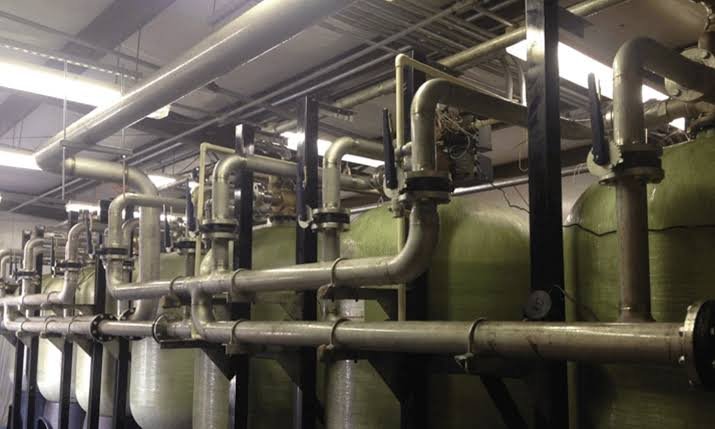
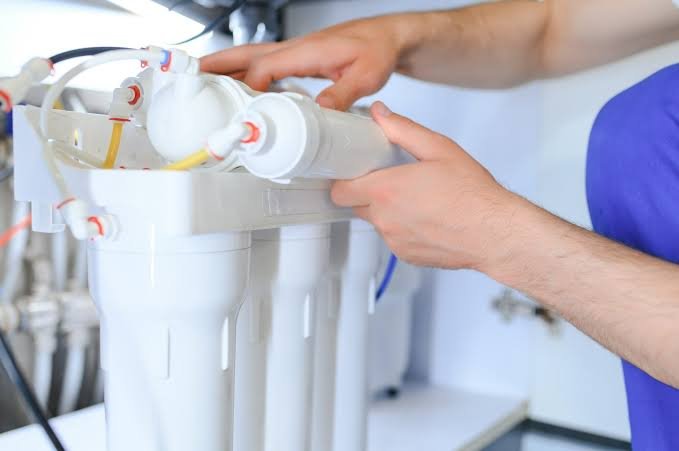
A good water analysis helps identify what’s actually happening beneath the surface so homeowners can choose solutions tailored to their real needs. Sometimes a simple under-sink filter is enough. Other homes benefit from softeners, reverse osmosis systems, or whole-home filtration setups working together.
The best systems aren’t necessarily the most expensive. They’re the ones designed around the actual water entering the house.
Better Water Quietly Improves Everyday Comfort
What’s interesting about water treatment is how quickly small improvements become noticeable.
Soap lathers better. Towels feel softer after laundry. Showers become more comfortable somehow, even if people struggle to explain exactly why. Dishes dry cleaner. Faucet buildup slows down. Even hair can feel different after repeated washing in treated water.
None of these changes are dramatic on their own, but together they shift the overall feeling of living in the home.
And honestly, homeowners often don’t realize how much poor water quality was irritating them until those frustrations disappear.
That’s part of why trusted brands like EcoWater Systems continue attracting attention from families looking for reliable long-term solutions. Homeowners want equipment that works consistently without turning maintenance into another household chore.
Reliability matters when the system affects something as essential as water.
Water Treatment Is Also About Protecting the Home
Beyond comfort, there’s a financial side homeowners sometimes overlook.
Hard water and sediment buildup gradually wear down appliances, plumbing fixtures, and water heaters. Mineral deposits force systems to work harder, reducing efficiency over time. Repairs become more frequent. Appliance lifespan shortens quietly in the background.
Water treatment helps reduce that internal strain.
It’s not the kind of upgrade people show off during home tours, admittedly. Nobody invites guests into the utility room to admire filtration equipment. But the long-term value becomes obvious over time through fewer maintenance headaches and more reliable household systems.
The Best Water Solutions Feel Almost Invisible
At the end of the day, the ideal water system probably isn’t one homeowners think about constantly.
It’s the opposite, actually.
Good water treatment quietly fades into the background of daily life. You fill a glass without hesitation. Showers feel normal in the best possible way. Appliances work efficiently. Coffee tastes clean. Laundry feels fresh.
Life simply runs a little smoother.
And maybe that’s why more families are finally investing in better water systems now than ever before. Not because it’s trendy or flashy, but because clean, dependable water touches nearly every part of home life — often in ways we only fully appreciate once it improves.

Admin
A contributor to Blognary’s independent wall of business, technology, finance and marketing perspectives.
VIEW ALL ARTICLES