You don’t usually notice your water when everything is working properly. That’s kind of the point, honestly. Water is one of those invisible parts of daily life that quietly supports almost everything we do — cooking dinner, taking showers, washing clothes, making coffee before work when your brain still hasn’t fully started functioning.
But when the quality isn’t right, little frustrations begin piling up.
Maybe the shower leaves your skin feeling dry. Maybe your dishes come out cloudy no matter how expensive the detergent is. Sometimes it’s just the taste. That faint chlorine flavor or slightly metallic edge that makes you reach for bottled water without even thinking about it anymore.
A neighbor of mine once told me she didn’t realize how much her water bothered her until she stayed at her sister’s house for a week. “I came home and suddenly my own tap water tasted weird,” she said. Funny how perspective works like that.
Water Problems Rarely Feel Dramatic at First
One reason homeowners ignore water issues for so long is because the problems usually develop slowly.
There’s rarely a huge moment where something suddenly fails. Instead, it’s gradual. Mineral stains appear around faucets. Soap doesn’t rinse as cleanly anymore. Appliances seem slightly less efficient each year. You adapt to these things without realizing it.
Over time, though, those small annoyances become expensive or exhausting.
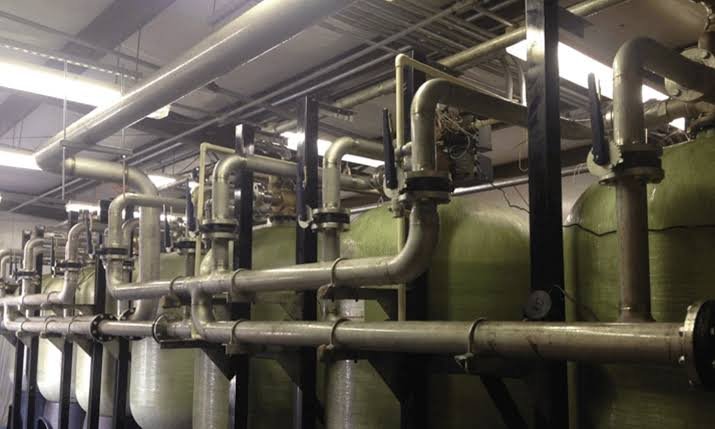
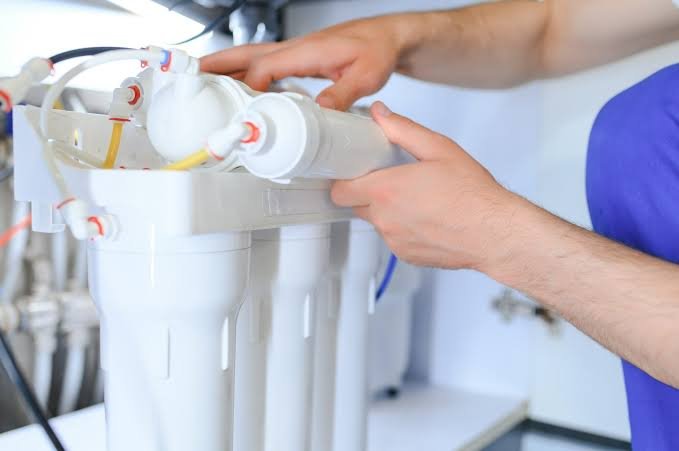
That’s part of why more people are exploring whole home filtration instead of relying only on small sink filters or bottled water. A whole-home approach treats water as it enters the house, meaning showers, laundry, dishwashers, and kitchen faucets all benefit together.
And honestly, once people experience the difference across the entire house, they often wonder why they waited so long.
Why Water Affects More Than Just Drinking
When people hear the phrase water filtration, they usually picture drinking water first. Maybe a fridge filter or one of those pitchers sitting inside the refrigerator door.
But water quality affects much more than hydration.
The water running through your home interacts with plumbing, appliances, fabrics, skin, hair, and cleaning products every single day. Hard minerals can shorten appliance lifespan. Chlorine-heavy water may irritate sensitive skin. Sediment can slowly reduce plumbing efficiency over time.
Even something simple like laundry changes depending on water quality. Towels feel softer. Dark clothing fades less quickly. Soap works differently.
A cousin of mine installed a filtration setup mainly because he disliked the taste of his tap water. A month later he said the weirdest improvement wasn’t the drinking water at all — it was how much easier the bathrooms became to clean. Mineral residue had been quietly creating extra work for years.
That’s the thing about water problems. They tend to affect daily life in ways people don’t immediately connect back to the source.
Not Every Home Needs the Same Setup
One mistake homeowners sometimes make is assuming there’s one perfect solution everyone should buy.
There isn’t.
Different regions deal with different water conditions. Some areas struggle mainly with hard water minerals. Others face chlorine taste, sediment, sulfur odors, or aging infrastructure. Homes using well water often have entirely different concerns compared to city properties connected to municipal systems.
That’s why testing matters before making big decisions.
A proper water test gives a much clearer picture of what’s actually happening inside your plumbing. Without testing, it’s easy to overspend on systems solving problems you may not even have.
And honestly, the water industry can feel a little overwhelming sometimes. Every company promises “ultimate purity” or “perfect water,” which sounds impressive until you realize many homeowners simply need practical solutions tailored to their specific conditions.
Modern Water Systems Are Becoming More Efficient
The good news is that modern water systems are generally more efficient and user-friendly than older generations.
Years ago, treatment equipment often required constant maintenance or took up huge amounts of space. Today, many systems are compact, automated, and designed to operate quietly in the background with minimal attention.
Some setups focus mainly on filtration. Others combine filtration with softening or conditioning features. Depending on the household, certain families may prioritize drinking water quality while others focus more on protecting plumbing and appliances.
There’s also growing interest in environmentally conscious systems that reduce water waste and require less salt or chemical maintenance. Homeowners seem increasingly interested in long-term sustainability, not just immediate convenience.
Which honestly makes sense. Nobody wants to solve one household problem by accidentally creating another.
The Emotional Side of Better Water
It sounds slightly dramatic saying water quality affects comfort emotionally, but I think it does.
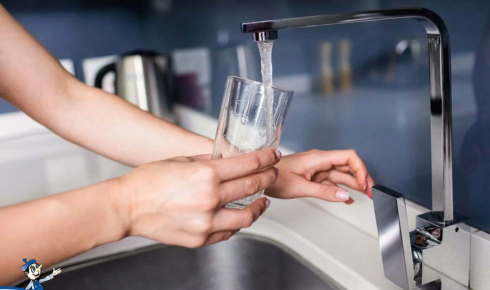
There’s reassurance in turning on a faucet and trusting what comes out. You stop second-guessing the smell, taste, or appearance of the water. Cooking feels simpler. Guests stop asking for bottled water. Daily routines become smoother in small but meaningful ways.
And those little improvements stack up faster than people expect.
Better showers. Cleaner dishes. Softer laundry. Less scrubbing around faucets. Appliances running more efficiently. None of these things individually seem life-changing, but together they noticeably improve the overall feeling of a home.
Sometimes the Best Home Upgrades Are the Quiet Ones
Not every home improvement needs to be dramatic or obvious.
Some upgrades quietly improve everyday life without demanding attention afterward. Better water falls into that category. Once it’s working properly, you barely think about it anymore — which is probably the best outcome possible.
Good water doesn’t need flashy marketing or complicated promises. It simply supports the routines that already matter: cooking dinner, making coffee, washing clothes, taking showers, filling a glass late at night.
And honestly, when those ordinary moments feel easier and cleaner, the entire home somehow feels better too.

Admin
A contributor to Blognary’s independent wall of business, technology, finance and marketing perspectives.
VIEW ALL ARTICLES