
Most home improvements are easy to notice right away. Fresh paint changes a room instantly. New flooring transforms the feel of a house. Renovated kitchens practically beg to be photographed.
Water improvements are different.
They’re quieter. Less visible. And honestly, that’s probably why so many people put them off for years.
You don’t usually think about your water until something feels slightly wrong. Maybe your tap water has a faint chemical smell. Maybe your skin feels dry after every shower. Or maybe you’ve started buying bottled water almost automatically because the kitchen faucet just doesn’t taste right anymore.
Those small frustrations have a way of sneaking into everyday life without demanding immediate attention. Until one day, you realize they’ve become part of your routine.
Water Affects More Than Just Drinking
One thing homeowners often overlook is how deeply water impacts the entire house.
It’s not just about what comes out of the kitchen faucet. Water runs through showers, washing machines, dishwashers, coffee makers, water heaters, and every pipe hidden behind the walls. It touches laundry, cooking, cleaning, and even how your skin and hair feel after a shower.
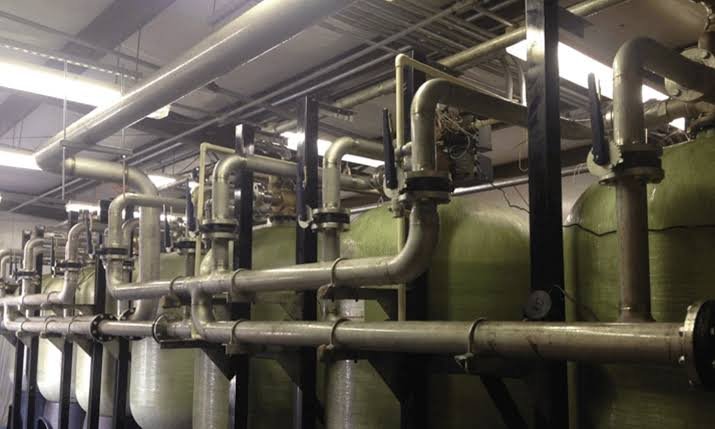
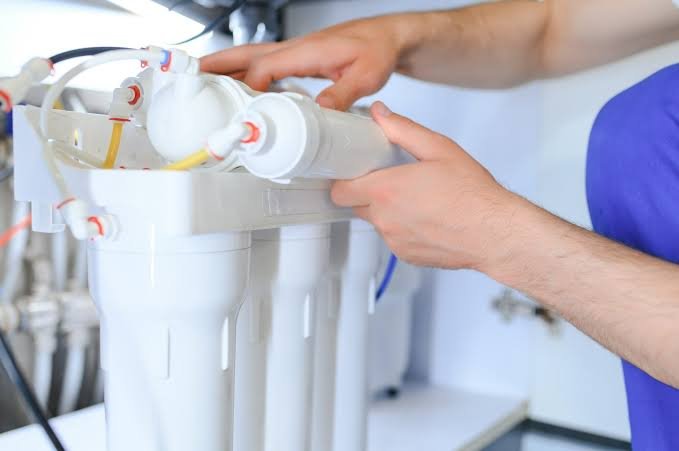
That’s why more homeowners are exploring whole home filtration systems rather than relying solely on small filters attached to a single faucet.
The idea is pretty simple: instead of treating water in just one location, the entire household benefits from cleaner, filtered water from the moment it enters the home.
And honestly, people are often surprised by how noticeable the difference feels once everything — not just drinking water — improves.
The Strange Ways Water Problems Show Up
Water issues don’t always look dramatic.
Sometimes it’s cloudy glassware coming out of the dishwasher. Sometimes white buildup collects around faucets no matter how often you clean them. Other times it’s subtler — dry skin, faded laundry, weird-tasting coffee, or soap that never seems to rinse properly.
A friend of mine spent months changing shampoos because her hair constantly felt dry and dull. Turns out, the issue wasn’t the shampoo at all. Their water contained heavy mineral content and chlorine levels that were affecting everything from showers to laundry.
Once they addressed the water itself, half the household complaints quietly disappeared.
Funny how connected these things can be.
Why Filtration Has Become More Popular
People today seem far more aware of what they consume daily. Food ingredients, air quality, household chemicals — naturally, water became part of that conversation too.
And honestly, that makes sense.
Good water filtration isn’t really about chasing perfection. It’s about reducing the stuff homeowners don’t necessarily want flowing through their homes every day, whether that’s sediment, excess minerals, odors, or certain chemicals affecting taste and comfort.
Different homes need different solutions, of course. A rural well-water system might require completely different treatment than a city home connected to municipal water. Some households need sediment control. Others focus on taste and odor improvements.
That’s why testing and understanding your actual water conditions matter before buying equipment.
Because blindly copying someone else’s setup rarely works long term.
Chlorine Isn’t Always the Villain — But It Can Be Noticeable
Municipal water systems commonly use chlorine for a reason: it helps disinfect public water supplies and reduce harmful bacteria. From a public health perspective, it plays an important role.
Still, some homeowners become increasingly sensitive to the taste or smell over time.
You know that faint swimming pool smell some tap water has occasionally? That’s often what people notice first.
For many households, chlorine removal becomes less about fear and more about comfort. Water tastes smoother. Showers feel gentler on skin and hair. Even cooking can feel slightly different once strong chemical flavors are reduced.
I remember staying with relatives who had recently installed a filtration system, and the first thing I noticed wasn’t the drinking water — it was the shower. The water felt softer somehow, less harsh. They laughed when I mentioned it because apparently everyone who visited said the exact same thing.
Sometimes you don’t realize how much water affects daily comfort until it changes.
Better Water Quietly Protects the Home Too
One aspect people rarely think about is how filtration can help protect plumbing and appliances over time.
Minerals, sediment, and untreated contaminants slowly wear down water heaters, washing machines, coffee makers, and dishwashers. It’s gradual enough that homeowners often don’t notice until repairs or replacements become necessary.
Hard water buildup especially can shorten appliance lifespan while reducing efficiency. Water heaters work harder. Pipes collect scale internally. Fixtures stain faster.
None of this feels urgent in the moment, but over years, it adds up.
That’s why water improvements often end up feeling both practical and personal. They improve comfort while also helping reduce long-term maintenance headaches around the house.
The Best Water Solutions Usually Feel Invisible
Here’s the interesting thing about quality water systems: when they work properly, you stop thinking about them.
You stop questioning the taste of the tap water. You stop scrubbing stubborn residue off faucets constantly. Your laundry feels softer. Your coffee tastes more consistent. Guests stop asking for bottled water without saying why.
Life just feels… easier somehow.
And honestly, those are often the best kinds of home improvements. The ones that quietly improve daily routines without demanding attention every five minutes.
At the end of the day, water shapes home life in hundreds of tiny ways people rarely notice until something changes. So when homeowners finally invest in cleaner, better-balanced water, the payoff often feels bigger than expected — not because it’s dramatic, but because comfort lives in the small details.

Admin
A contributor to Blognary’s independent wall of business, technology, finance and marketing perspectives.
VIEW ALL ARTICLES