Most people don’t think about water until it starts creating problems. Maybe the shower leaves your skin feeling dry every morning. Maybe dishes come out cloudy no matter how carefully they’re washed. Or maybe the tap water has a strange taste that suddenly becomes impossible to ignore once someone points it out.
The funny thing is, water affects nearly every part of home life, yet it often stays completely in the background. We notice broken appliances immediately, but water quality issues tend to creep in slowly. By the time homeowners connect the dots, they’ve usually spent months dealing with frustrating little problems without realizing the source was flowing through every faucet in the house.
Water Quality Isn’t the Same Everywhere
One of the first things people discover when moving to a new area is that water feels different depending on where you live. In some places, the water tastes crisp and fresh. In others, it carries a faint chlorine smell or leaves mineral residue around faucets and sinks.
That difference comes from several factors — local water sources, municipal treatment methods, underground plumbing, and naturally occurring minerals in the region. Some areas have harder water with higher calcium and magnesium content, while others may struggle more with sediment or chemical taste.
And honestly, once people notice those differences, they tend to become more aware of how much water impacts everyday comfort.
The Shift Toward Smarter Home Water Solutions
Over the last decade, homeowners have become more intentional about creating healthier living spaces overall. Air purifiers, energy-efficient appliances, natural cleaning products — all of it reflects a broader desire for comfort and peace of mind at home.
Water has naturally become part of that conversation.
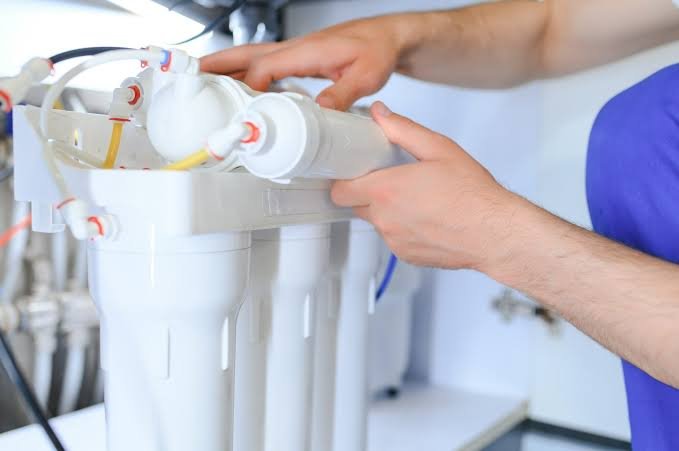
More families are now exploring whole home water treatment options because they want consistent water quality throughout the house, not just from one kitchen faucet. Instead of treating water only where it’s consumed, these systems work at the point where water enters the home, helping improve conditions for bathing, laundry, dishwashing, and everyday cleaning as well.
For households dealing with hard water or noticeable taste issues, the difference can feel surprisingly immediate.
Why Small Water Problems Become Big Frustrations
Water issues rarely announce themselves dramatically. They build up slowly in the background.
Soap stops lathering properly. Glass shower doors never seem completely clean. Appliances collect mineral deposits over time. Hair feels dull after washing. Towels lose softness even with fabric softener.
I remember staying with relatives who had recently upgraded their filtration setup. At first, I thought it sounded like one of those unnecessary home upgrades people convince themselves they need. But after a few days, the difference became obvious.
The water tasted cleaner. Showers felt softer. Even the coffee somehow seemed smoother. None of it was dramatic on its own, but together it changed how the house felt overall.
That’s probably why more homeowners are investing in water filtration systems today. It’s not only about removing impurities. It’s about improving daily routines people repeat constantly without thinking about them.
Cleaner Water Changes Daily Habits
One unexpected thing about better water is how quickly it becomes normal. People stop buying cases of bottled water every week. Kids drink more water without complaining about taste. Cleaning routines become easier because mineral residue decreases.
And honestly, there’s something comforting about trusting the water throughout your home instead of constantly questioning it.
That emotional side of water quality gets overlooked a lot. Homeowners aren’t always chasing perfection or expensive technology. Sometimes they simply want fewer annoyances and more consistency in everyday life.
Understanding Modern Treatment Options
The market for household filtration and treatment has expanded massively over the years. Some homes only need simple under-sink filtration for drinking water, while others benefit from larger-scale systems depending on local conditions.
Modern water treatment systems can target a wide range of concerns, including chlorine taste, mineral hardness, sediment, odors, and other impurities that affect water quality.
The important thing is understanding that there’s no universal solution for every home.
A small apartment in a city may need completely different treatment than a rural property using well water. That’s why testing local water conditions before purchasing equipment usually makes the most sense. Without understanding the actual issue, people often spend money solving the wrong problem.
The Long-Term Benefits Go Beyond Taste
People usually focus first on drinking water, but better treatment often affects much more than that.
Mineral-heavy water can shorten appliance lifespan over time by creating buildup inside washing machines, dishwashers, and water heaters. Cleaner water helps reduce that stress. Soap and detergents also tend to work more effectively, which may lower product usage without homeowners realizing it.
Then there’s the simple comfort factor.
Soft showers. Cleaner dishes. Brighter laundry. Small improvements add up quietly over time until the entire house feels easier to maintain.
Why Water Matters More Than We Think
Water touches nearly every moment of home life. Morning coffee. Evening showers. Cooking dinner. Washing clothes. Filling pet bowls. Most of the time, people barely notice it because it’s always there.
But when water quality improves, those routines subtly improve too.
And maybe that’s why more families are paying closer attention now. Not because filtered water suddenly became trendy, but because people increasingly value the little things that make a home feel healthier, calmer, and easier to live in.
At the end of the day, better water isn’t really about luxury. It’s about removing small frustrations people deal with every single day without even realizing how much they’ve adapted to them.
Once those frustrations disappear, the difference feels surprisingly meaningful.

Admin
A contributor to Blognary’s independent wall of business, technology, finance and marketing perspectives.
VIEW ALL ARTICLES