Water is easy to take for granted until it starts causing little headaches. A strange taste from the tap. White marks around the faucet. A water heater that seems to struggle more than it should. Maybe the shower feels fine, but the dishes never look fully clean. These are not always big, dramatic problems. Most of the time, they sneak into daily life quietly, almost politely, until one day you realize you’ve been working around them for months.
That’s usually when homeowners start thinking about water treatment. And that’s a smart move. But choosing the right system is only half the story. The other half, the part people sometimes rush through, is how it gets installed.
A good water system should make life easier, not add another layer of stress. That’s why proper planning, placement, setup, and testing matter so much.
Why Water Treatment Is Not a Plug-and-Play Guessing Game
Every home has its own water story. Some homes deal with hard water. Some have sediment. Some have chlorine taste, iron staining, sulfur smell, or well water concerns. Two houses on the same street can even have slightly different water issues depending on plumbing age, source, and usage.
That’s where professional guidance becomes useful. Before installing anything, the water should be tested and the home’s plumbing should be looked at carefully. A system that works beautifully in one house may not be the best fit for another.
This is why reliable installation services are so important. They don’t just involve connecting pipes and tightening fittings. Good service means understanding the water problem, checking available space, choosing the right location, making sure flow rates are suitable, and setting the equipment up so it actually performs the way it should.
A rushed installation may work at first, but small mistakes can show up later. Leaks, pressure drops, poor filtration performance, or awkward maintenance access can all become annoying and expensive.
The Right System Needs the Right Setup
Water treatment equipment can look simple from the outside, but there is a lot happening inside. Filters, tanks, valves, bypass lines, drains, pressure settings, and electrical connections all need attention. Even the direction of water flow matters.
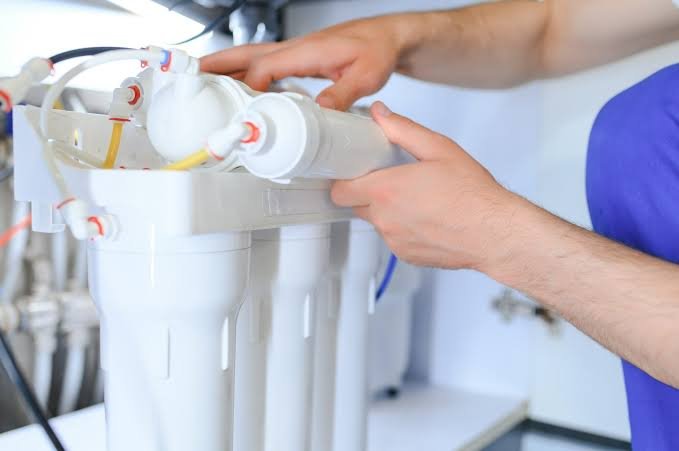
For example, a water softener has to be sized correctly for the home. Too small, and it may regenerate too often or fail to keep up. Too large, and it may waste resources. A reverse osmosis system needs proper pressure and drainage. A whole-house filtration system should be placed where it treats incoming water effectively without creating service headaches later.
That is the practical beauty of professional installation. A trained installer knows how to avoid common mistakes before they happen. They can make the setup neat, safe, accessible, and easier to maintain. It’s not flashy work, but it makes a real difference over the life of the system.
A homeowner may only notice the clean water. But behind that clean water is a setup that has to be done correctly.
Good Installation Protects Your Investment
Water treatment equipment is not something most people buy casually. It’s an investment in comfort, plumbing protection, appliance performance, and peace of mind. So it makes sense to protect that investment from day one.
Poor installation can shorten equipment life. It can also void warranties in some cases, especially when systems are not installed according to manufacturer guidelines. Even a small leak near a filter housing or connection point can damage floors, cabinets, drywall, or stored items nearby.
Then there is performance. If a filter is installed in the wrong place, it may not solve the problem it was meant to solve. If a system is not flushed properly, water may taste odd at first. If settings are not adjusted correctly, the household may not get the full benefit.
The system itself matters, yes. But the installation is what allows it to do its job properly.
Maintenance Starts With Smart Placement
One thing people forget is that every water system needs maintenance. Filters need replacing. Salt may need refilling. Some systems need periodic checks, cleaning, or adjustments. If equipment is installed in a cramped, awkward, or poorly lit corner, maintenance becomes a chore people avoid.
A thoughtful installer thinks ahead. Can someone reach the filter housing easily? Is there enough space to open the tank lid? Is the drain connection proper? Are shut-off valves easy to access? Can the system be bypassed if needed?
These details seem small during installation day, but they matter later. A well-placed system saves time, reduces frustration, and makes regular care much more likely.
Why Homeowners Should Avoid the Cheapest Shortcut
It’s tempting to choose the lowest price. Everyone likes saving money. But with water equipment, the cheapest option can sometimes become the most expensive one over time.
A low-cost installation may skip testing, use poor fittings, ignore pressure concerns, or leave the homeowner with no clear maintenance instructions. That might be fine for a week or two. But water runs every day. Any weakness in the setup gets tested again and again.
Quality installation does not mean overpaying. It means paying for care, experience, and accountability. It means someone takes the time to make sure the system is matched to the home and installed with long-term use in mind.
Better Water Should Feel Effortless
The best water treatment systems don’t demand attention every day. They quietly improve the water, protect the home, and make ordinary routines feel better. Coffee tastes cleaner. Laundry feels fresher. Fixtures stay cleaner longer. Showers feel nicer. Appliances may work with less strain.
But that quiet performance depends on proper installation.
Homeowners don’t need to become plumbing experts. They don’t need to understand every valve, cartridge, or mineral reading. What they do need is the right team, the right system, and a setup that makes sense for their home.
In the end, good water treatment is not only about what you install. It’s about how well it’s installed. When that part is done right, the system becomes one of those home upgrades you barely think about — and that’s exactly the point.

Admin
A contributor to Blognary’s independent wall of business, technology, finance and marketing perspectives.
VIEW ALL ARTICLES