Water is one of those things you rarely stop to think about. It’s just there—running from the tap, filling a glass, boiling in a kettle, washing away the day. You don’t question it much until something feels slightly off. A faint taste you can’t quite ignore. A bit of residue on glassware. Or just that subtle feeling that it’s not as “fresh” as it should be.
And once you notice it, you can’t really un-notice it.
When Water Starts to Feel Different
Most homes don’t start their water journey with concern. Everything seems fine… until it isn’t. Maybe the taste changes a little. Maybe you start buying bottled water more often without thinking about it. These are small shifts, but they add up.
That’s usually when people begin looking into water filtration. Not as a fancy upgrade, but as a practical fix for everyday comfort. It’s less about luxury and more about getting back to a point where water just feels normal again.
What’s interesting is how quickly people adapt once filtration is in place. The change doesn’t feel dramatic—it feels natural. Tea tastes cleaner. Cooking feels more consistent. Even something as simple as filling a glass doesn’t come with hesitation anymore.
And then, quietly, you stop thinking about it.
The Subtle Science of Clean Drinking Water
There’s something very personal about water. It’s not like other utilities. You don’t just “use” it—you take it inside your body. Every sip becomes a small act of trust.
That’s where drinking water quality becomes more than just a technical topic. It turns into a daily experience. You might not analyze it every time you drink, but you definitely feel it when something is off.
People often describe good water in simple ways—“it tastes light,” “it feels clean,” “it doesn’t leave an aftertaste.” These aren’t scientific terms, but they matter more than most reports or measurements in day-to-day life.
And once you get used to consistently good water, going back to inconsistent quality feels surprisingly uncomfortable. It’s a subtle shift, but a real one.
Where Reverse Osmosis Quietly Changes the Game
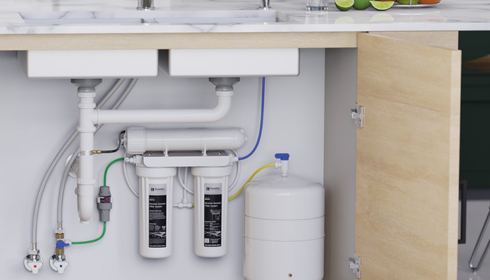
Among all the methods used to improve water, one that often comes up is reverse osmosis. It sounds technical, maybe even a bit intimidating, but the idea is actually pretty straightforward.
Water is pushed through a special membrane that filters out a wide range of impurities—things you can’t always see or taste. What comes out on the other side is much cleaner, more neutral water that feels closer to what people expect from “pure” drinking water.
But here’s the thing—most people don’t install it because of the science behind it. They install it because they’re tired of guessing. Tired of buying bottled water. Tired of inconsistent taste.
And once it’s in place, it blends into life quietly. No big announcement. No daily reminder. Just water that tastes the same every time you turn on the tap.
The Everyday Habits We Don’t Realize Are Water-Driven
It’s funny how much water influences daily routines without getting credit for it.
If water tastes slightly off, you might drink less of it. If it leaves residue, you might clean more often. If it feels inconsistent, you might start relying on alternatives without even noticing the shift.
These are small behavioral changes, but they stack up over time.
Good water doesn’t just improve hydration—it simplifies everything around it. Cooking becomes more predictable. Appliances run cleaner. Even basic chores feel slightly easier.
And the most interesting part? You rarely notice when things improve. You only notice when they don’t.
Why We Only Appreciate Water When It Changes
Water is invisible in the best way. When it works well, it disappears into the background of life. You don’t celebrate it, you don’t analyze it—you just live with it.
But when something changes, even slightly, it becomes impossible to ignore. That’s when people start paying attention, researching options, and thinking more seriously about quality.
It’s not really about perfection. It’s about consistency. The feeling that every glass of water, every shower, every meal starts with something reliable.
And that reliability quietly shapes how comfortable a home feels.
A Simple Way to Look at It
At the end of the day, improving water isn’t about making it complicated. It’s actually the opposite. It’s about removing small uncertainties that most people have learned to live with.
Whether it’s through water filtration, better drinking water habits, or technologies like reverse osmosis, the goal is the same: water that feels natural, clean, and consistent without needing a second thought.
Because the best kind of water doesn’t draw attention to itself.
It just flows, quietly doing its job, while everything else in life gets a little easier because of it.

Admin
A contributor to Blognary’s independent wall of business, technology, finance and marketing perspectives.
VIEW ALL ARTICLES